Why choose slow travel in Indonesia — environmental benefits, cultural immersion, and how train-and-ferry routes compare to flying for common itineraries
- Why choose slow travel in Indonesia — environmental benefits, cultural immersion, and how train-and-ferry routes compare to flying for common itineraries
In a world increasingly driven by speed, the concept of slow travel Indonesia emerges as a refreshing and responsible alternative. This approach to exploring the archipelago goes beyond ticking off landmarks, inviting travelers to truly connect with the destination. Instead of rushing from one instagrammable spot to another, slow travel encourages a deeper engagement with local cultures, a greater appreciation for the environment, and a more sustainable footprint. For those drawn to the enchanting landscapes and vibrant traditions of Indonesia, choosing to travel slowly isn’t just a preference; it’s a profound commitment to enriching both your journey and the places you visit.
What is Slow Travel?
Slow travel is a philosophy that emphasizes connection: to local people, culture, food, and music. It involves spending more time in fewer places, allowing for authentic experiences and a reduced environmental impact. It’s about quality over quantity, and mindful exploration.
The Philosophy of Slow Travel: A Deeper Connection
At its heart, slow travel is about intention. It’s an antidote to the hurried pace of modern life, offering a chance to truly absorb the essence of a place. In Indonesia, a nation of thousands of islands, diverse ethnic groups, and countless natural wonders, this philosophy takes on particular significance. Instead of merely observing, slow travelers participate. They learn a few words of Bahasa Indonesia, share meals with locals, spend days exploring a single village, or dedicate time to understanding traditional crafts. This immersive approach fosters genuine connections and creates memories far more meaningful than any fleeting photo opportunity.
Environmental Benefits: Treading Lightly on Paradise
One of the most compelling reasons to choose slow travel Indonesia is its significant positive impact on the environment. The tourism industry, while vital for many economies, can also exert immense pressure on fragile ecosystems. Slow travel inherently minimizes this impact:
- Reduced Carbon Footprint: By opting for longer stays and choosing surface transportation over frequent flights, travelers drastically cut down their carbon emissions.
- Preservation of Natural Ecosystems: Less reliance on mass tourism infrastructure means less development in pristine areas, protecting Indonesia’s rainforests, coral reefs, and volcanic landscapes.
- Support for Local Conservation: Slow travelers are more likely to engage with and support local conservation initiatives, eco-lodges, and community-based tourism projects that prioritize environmental protection.
- Minimizing Waste: Longer stays often lead to more sustainable consumption habits, reducing the demand for single-use plastics and promoting local, seasonal produce.
Cultural Immersion: Beyond the Tourist Trail
Indonesia’s cultural tapestry is incredibly rich and diverse, with over 300 ethnic groups speaking hundreds of languages. Fast-paced tourism often only scratches the surface, offering curated experiences that lack authenticity. Slow travel, however, unlocks deeper cultural immersion:
- Authentic Interactions: You’ll have time to build rapport with locals, learning about their daily lives, traditions, and perspectives directly.
- Experiencing Local Life: Participate in a Balinese cooking class, learn traditional batik weaving in Java, or attend a local festival in Sumatra. These experiences move beyond observation to active participation.
- Understanding Nuances: By spending more time in one area, you begin to understand the subtle social cues, historical context, and spiritual beliefs that shape Indonesian society.
- Supporting Indigenous Arts & Crafts: Direct engagement with local artisans ensures that your money directly supports their livelihoods and helps preserve traditional skills.
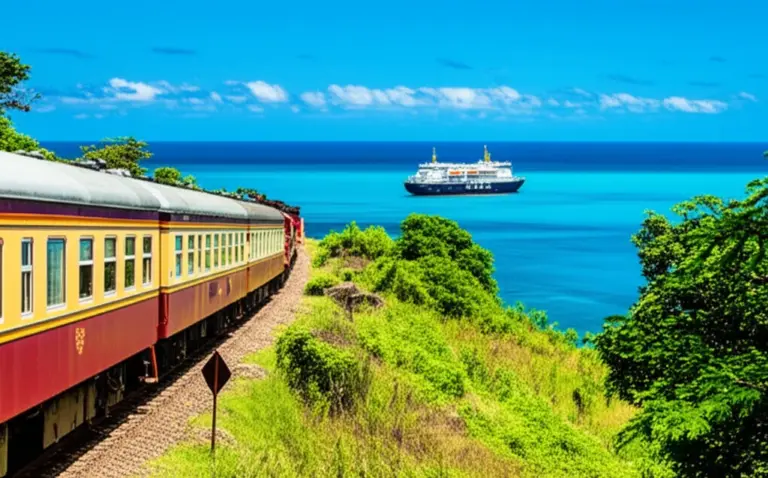
One of the most practical aspects of embracing slow travel Indonesia is the choice of transportation. While flying is undeniably faster, train and ferry routes offer unparalleled experiences and significantly lower environmental impact.
The Allure of Overland & Sea Travel
Imagine gazing out of a train window as Java’s emerald rice paddies and volcanic peaks glide by, or feeling the ocean breeze on a ferry deck as you island-hop between Bali and Lombok. These journeys are not just about getting from A to B; they are integral parts of the adventure. They offer:
- Scenic Routes: Access to breathtaking views often missed from 30,000 feet.
- Local Interaction: Opportunities to meet and converse with Indonesian locals commuting or traveling for leisure.
- Comfort and Space: Trains, especially executive class, offer spacious seating, dining cars, and a comfortable way to cover long distances. Ferries provide open decks and a sense of maritime adventure.
Common Itineraries: A Comparative Look
Let’s compare popular routes:
Practical Tips for Slow Travel Routes
Embracing train and ferry travel in Indonesia requires a bit of planning and a flexible mindset:
- Book in Advance: Especially for popular train routes (e.g., Java’s executive class) and fast boats during peak season.
- Be Flexible: Schedules can change, and delays can occur. Embrace it as part of the adventure.
- Pack Smart: Lighter luggage is always better for navigating stations and ports.
- Bring Essentials: Snacks, water, entertainment, and a portable charger are your best friends on longer journeys.
- Connect with Locals: Don’t be shy! Indonesians are generally friendly and open to conversation.
Supporting Local Economies and Sustainable Practices
Beyond the personal benefits, choosing slow travel in Indonesia has a tangible positive impact on local communities. By spending more time in one place, you naturally patronize smaller, locally-owned businesses – from guesthouses and warungs (small eateries) to local guides and craftspeople. This direct injection of money into the local economy helps to distribute wealth more equitably, rather than concentrating it in large, often foreign-owned, hotel chains or tour operators.
Furthermore, slow travel often aligns with and supports community-based tourism initiatives. These projects are designed and managed by local people, ensuring that tourism develops in a way that respects their culture, traditions, and environment. By choosing such initiatives, you become an active participant in sustainable development, helping to preserve Indonesia’s unique heritage for future generations.
คำถามที่พบบ่อย (FAQ)
Q1: Is slow travel in Indonesia more expensive?
A1: Not necessarily. While initial thought might suggest longer stays mean more cost, slow travel often involves choosing more affordable local accommodation, eating at local eateries, and using public transport, which can significantly reduce overall expenses compared to luxury resorts and frequent flights.
Q2: How do I plan a slow travel itinerary for Indonesia?
A2: Start by selecting one or two main islands or regions you wish to explore in depth. Research local transportation options (trains in Java, ferries between islands, local buses). Allow ample time (at least a week) for each location to truly immerse yourself, rather than rushing through several places.
Q3: What are the best islands in Indonesia for slow travel?
A3: Java is excellent for its extensive train network and rich cultural sites. Sumatra offers incredible nature and unique ethnic groups. Lombok and the Nusa Islands (near Bali) are fantastic for a slower pace than bustling Bali. Even within Bali, areas like Ubud’s surroundings or the northern coast offer great slow travel opportunities.
Q4: Is it safe to use trains and ferries in Indonesia?
A4: Generally, yes. Indonesian trains, especially executive and business classes, are modern, comfortable, and reliable. Ferries for inter-island travel are widely used by locals and tourists alike, though it’s always wise to choose reputable operators and check weather conditions, particularly for smaller boats.
Q5: How can I minimize my environmental impact further while slow traveling?
A5: Beyond choosing slower transport, bring a reusable water bottle and shopping bag, support eco-friendly accommodations, eat local and seasonal food, minimize waste, and participate in responsible tourism activities that give back to the community and environment.
Conclusion
Choosing slow travel Indonesia is an invitation to embark on a journey that transcends the ordinary. It’s a conscious decision to prioritize meaningful experiences over hurried sightseeing, to foster genuine connections with local communities, and to protect the breathtaking natural beauty of this incredible nation. By opting for the rhythmic sway of a train or the gentle rocking of a ferry, you not only reduce your environmental footprint but also unlock a richer, more authentic understanding of Indonesia’s soul. Embrace the pace, savor the moments, and let Indonesia reveal its true magic, one slow step at a time.
References
While this article is based on general knowledge of sustainable tourism and Indonesian travel, here are some resources for further reading:
- The Man in Seat 61: Train Travel in Indonesia
- Lonely Planet: How to be a slow traveler
- WWF: Indonesia Conservation
- Slow Travel Indonesia by Train and Ferry: Cut Emissions Without Missing Highlights
- Top train and ferry routes across Java, Sumatra, Bali-Lombok and Sulawesi — schedules, ticketing tips, and must-see stops between major cities
- Planning your low-emission itinerary — realistic travel times, packing light for multi-segment trips, and combining rail-ferry legs with eco-friendly local transport