Language Essentials for Indonesia: Key Bahasa Phrases, Useful Apps, and Practical Tips for Travelers
- Language Essentials for Indonesia: Key Bahasa Phrases, Useful Apps, and Practical Tips for Travelers
- Why Learning Basic Bahasa Indonesia Matters
- Key Bahasa Phrases: Your Language Essentials for Indonesia
- Top Language Learning Apps & Resources
- Practical Tips for Language Learning & Usage
- Cultural Nuances to Remember
- คำถามที่พบบ่อย (FAQ)
- Why is it important to learn basic Bahasa Indonesia for travelers?
- What are some essential greetings in Bahasa Indonesia?
- Are there any recommended apps for learning Bahasa Indonesia?
- What are some cultural tips to keep in mind when communicating in Indonesia?
- Is English widely spoken in Indonesia?
- References
Indonesia, an archipelago of unparalleled beauty and diverse cultures, beckons travelers with its vibrant landscapes, ancient temples, and warm hospitality. While many Indonesians, especially in tourist hubs, speak some English, embracing the local language, Bahasa Indonesia, can profoundly enrich your travel experience. This guide delves into the Language Essentials for Indonesia, offering key phrases, useful apps, and practical tips to help you connect deeper with the local culture and navigate this enchanting country with confidence. From bustling markets in Jakarta to serene beaches in Bali, a little Bahasa goes a long way.
Why Learning Basic Bahasa Indonesia Matters
Beyond mere communication, speaking a few local phrases demonstrates respect and a genuine interest in the culture. It opens doors to more authentic interactions, helps you negotiate better prices, and can even assist in unexpected situations. For anyone focused on Indonesia Tourism, these language essentials are invaluable.
Bridging Cultural Gaps
Indonesians are known for their friendliness and hospitality. Attempting to speak their language, even imperfectly, is often met with smiles and encouragement. It’s a powerful way to break down barriers and foster connections with locals, transforming a transactional encounter into a memorable cultural exchange. This simple effort can turn a good trip into an extraordinary one.
Enhancing Your Travel Experience
Imagine ordering your favorite street food exactly how you like it, asking for directions without confusion, or simply sharing a laugh with a vendor. Basic Bahasa Indonesia empowers you to navigate daily life with greater ease and confidence, allowing you to venture beyond typical tourist zones and discover hidden gems.
Safety and Convenience
In emergencies or unexpected situations, knowing key phrases can be crucial. It helps you articulate your needs, understand instructions, and seek assistance effectively. Furthermore, it can prevent misunderstandings and make your journey smoother and safer.
Key Bahasa Phrases: Your Language Essentials for Indonesia
Here are some fundamental Bahasa Indonesia phrases that every traveler should know. Practice these, and you’ll be well on your way to mastering the Language Essentials for Indonesia.
Greetings and Basic Courtesy
| English | Bahasa Indonesia | Pronunciation Guide |
|---|---|---|
| Hello | Halo | HAH-loh |
| Good morning | Selamat pagi | SLAH-maht PAH-gee |
| Good day/afternoon | Selamat siang | SLAH-maht SEE-ahng |
| Good evening | Selamat sore | SLAH-maht SOH-ray |
| Good night | Selamat malam | SLAH-maht MAH-lahm |
| Thank you | Terima kasih | Tuh-REE-mah KAH-see |
| You’re welcome | Sama-sama | SAH-mah SAH-mah |
| Please | Tolong | TOH-long |
| Excuse me / Sorry | Maaf | MAH-ahf |
| English | Bahasa Indonesia |
|---|---|
| Where is…? | Di mana…? |
| Left | Kiri |
| Right | Kanan |
| Straight ahead | Lurus |
| How much? | Berapa? |
Ordering Food and Shopping
| English | Bahasa Indonesia |
|---|---|
| I want… | Saya mau… |
| Delicious | Enak |
| Not spicy | Tidak pedas |
| Water | Air |
| Too expensive | Terlalu mahal |
Top Language Learning Apps & Resources
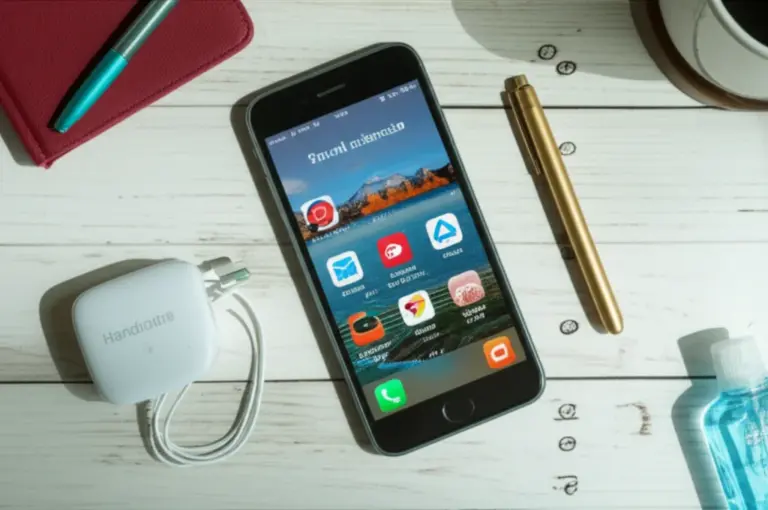
In our digital age, technology makes learning a new language more accessible than ever. These apps and tools can significantly aid your journey to mastering Bahasa Indonesia.
Duolingo & Memrise
These popular language-learning apps offer gamified lessons that make learning fun and engaging. They cover vocabulary, grammar, and pronunciation, perfect for beginners looking to build a solid foundation in Bahasa Indonesia before or during their trip.
Google Translate
An indispensable tool for travelers, Google Translate offers instant text, voice, and even image translation. Download the Bahasa Indonesia language pack for offline use, ensuring you’re never without a translator, even without an internet connection.
Offline Dictionaries
Apps like Kamus Besar Bahasa Indonesia (KBBI) or various third-party Bahasa-English dictionaries can be lifesavers. They provide comprehensive word definitions, synonyms, and usage examples, which are vital for deeper understanding.
Practical Tips for Language Learning & Usage
Learning a new language can be daunting, but with these practical tips, you can make significant progress and enjoy the process.
Start with Pronunciation
Bahasa Indonesia has a relatively phonetic alphabet, meaning words are pronounced as they are written. Focus on mastering the sounds of each letter and common diphthongs early on. This will build confidence and ensure locals understand you.
Don’t Be Afraid to Make Mistakes
Every language learner makes mistakes – it’s a natural part of the process! Indonesians are generally very patient and appreciative of your effort. Don’t let the fear of imperfection stop you from practicing. The more you speak, the faster you’ll improve.
Listen Actively
Immerse yourself in the language. Listen to conversations around you, tune into local radio or music, and watch Indonesian movies or TV shows with subtitles. Active listening helps you pick up natural rhythms, common phrases, and improve your comprehension.
Practice with Locals
The best way to learn is to speak! Engage with hotel staff, market vendors, taxi drivers, and new friends. Even a simple ‘Apa kabar?’ (How are you?) can spark a conversation and provide valuable practice. They’ll appreciate your effort to communicate in their language.
Embrace Non-Verbal Communication
While language is key, don’t underestimate the power of smiles, gestures, and body language. These non-verbal cues can fill in gaps when words fail and help convey your message effectively, especially in a culturally rich country like Indonesia.
Cultural Nuances to Remember
Understanding a language goes hand-in-hand with understanding its culture. A few cultural tips can significantly enhance your interactions.
Politeness and Respect
Always use polite forms of address like ‘Pak’ (for older men) or ‘Ibu’ (for older women) when speaking to strangers or elders. Avoid pointing with your index finger; instead, use your thumb. When handing over or receiving items, use your right hand.
Hand Gestures
Be mindful of hand gestures. For example, beckoning someone with an upward-facing palm and wiggling fingers is considered rude; instead, use a downward-facing palm and a gentle waving motion.
Embracing the Language Essentials for Indonesia is more than just learning words; it’s about opening yourself to a deeper, more authentic travel experience. By making a small effort to learn key Bahasa phrases, utilizing useful apps, and following practical tips, you’ll find yourself not just visiting Indonesia, but truly connecting with its heart and soul. Selamat jalan! (Have a good journey!)
คำถามที่พบบ่อย (FAQ)
Here are some frequently asked questions regarding language essentials for Indonesia travelers.
Why is it important to learn basic Bahasa Indonesia for travelers?
Learning basic Bahasa Indonesia enhances your travel experience by fostering deeper cultural connections, aiding navigation, improving bargaining skills, and ensuring greater safety and convenience, especially outside major tourist areas.
What are some essential greetings in Bahasa Indonesia?
Key greetings include ‘Halo’ (Hello), ‘Selamat pagi’ (Good morning), ‘Selamat siang’ (Good day/afternoon), ‘Selamat sore’ (Good evening), and ‘Selamat malam’ (Good night). ‘Terima kasih’ (Thank you) and ‘Sama-sama’ (You’re welcome) are also crucial.
Are there any recommended apps for learning Bahasa Indonesia?
Yes, Duolingo and Memrise are excellent for structured learning. Google Translate is indispensable for on-the-go translation (especially with offline language packs), and dedicated offline Bahasa-English dictionaries are also highly recommended.
What are some cultural tips to keep in mind when communicating in Indonesia?
Always be polite and use respectful terms like ‘Pak’ or ‘Ibu’. Avoid pointing with your index finger, use your right hand for transactions, and use a downward-facing palm for beckoning. A smile and respectful demeanor go a long way.
Is English widely spoken in Indonesia?
English is commonly spoken in major tourist areas like Bali, Jakarta, and in higher-end hotels and restaurants. However, outside these areas, English proficiency drops significantly, making basic Bahasa Indonesia essential for effective communication and cultural immersion.
References
- Lonely Planet: How to learn Bahasa Indonesia
- Learn Basic Indonesian Phrases For Travel | Bahasa Indonesia
- Wonderful Indonesia Official Tourism Site
- Why learn basic Bahasa Indonesia? Understanding travel intent, common situations, and simple pronunciation tips to get started
- Top 25 must-know Bahasa phrases for travelers: greetings, directions, dining, emergencies, and bargaining (with long-tail phrase examples)
- Best mobile apps and offline tools for Bahasa Indonesia: translation, phrasebook, pronunciation practice, and local transport apps for travelers