How to Choose the Best Transportation Mode in Indonesia: Comparing Planes, Trains, Ferries, Buses, and Car Rentals for Cost, Time, and Comfort
- How to Choose the Best Transportation Mode in Indonesia: Comparing Planes, Trains, Ferries, Buses, and Car Rentals for Cost, Time, and Comfort
Navigating the vast Indonesian archipelago—a nation spanning over 17,000 islands—presents a unique logistical challenge for travelers. Deciding how to choose the best transportation mode in Indonesia requires balancing the allure of adventure against the realities of budget, time constraints, and desired comfort levels. This comprehensive guide breaks down the pros, cons, and ideal scenarios for utilizing domestic flights, KAI trains, inter-island ferries, long-distance buses, and private car rentals.
The Indonesian Travel Landscape: A Quick Overview
Indonesia’s geography dictates its transport infrastructure. Travel between major hubs like Jakarta, Bali, and Medan is often best served by air, while overland journeys across densely populated islands like Java and Sumatra are dominated by rail and road networks. Understanding the distinction between intra-island and inter-island travel is the first critical step in efficient planning. For the discerning tourist aiming for maximum efficiency, understanding these variables is key to avoiding costly delays and maximizing exploration time.
Deep Dive Comparison: The Five Main Modes of Transport
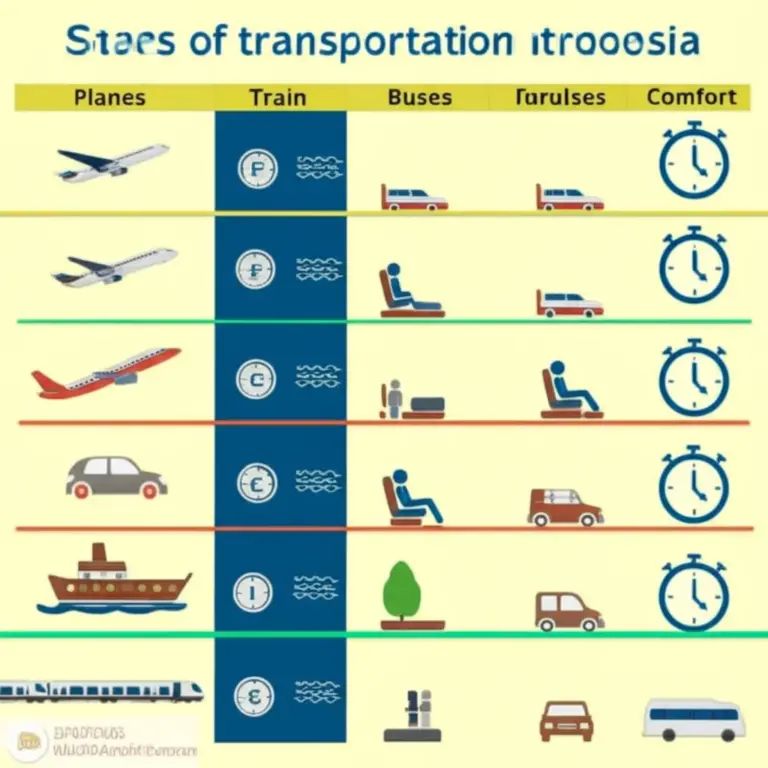
To truly master how to choose the best transportation mode in Indonesia, we must evaluate each option based on three core metrics: Cost (💰), Time (🕙), and Comfort (👞).
1. Domestic Flights: Speed Across the Archipelago
When covering vast distances between islands (e.g., Java to Sulawesi, or Jakarta to Raja Ampat), flying is often the only practical choice. Budget carriers like Lion Air and Citilink, alongside full-service options like Garuda Indonesia, offer extensive networks. While the flight time itself is fast, remember to factor in airport transfers, which can be lengthy in major cities.
| Metric | Assessment |
|---|---|
| Cost | Moderate to High (Book well in advance for best budget fares). |
| Time | Fastest for long distances. |
| Comfort | Good, but budget carriers can be cramped. |
2. Trains (KAI): The Scenic and Reliable Route (Primarily Java & Sumatra)
Indonesia’s railway system, managed by KAI, is exceptional on Java, offering a comfortable, reliable, and relatively affordable way to travel between major cities like Bandung, Yogyakarta, and Surabaya. The Executive class (Eksekutif) offers superior seating and service. Trains avoid road traffic congestion entirely, making travel times predictable.
3. Ferries & Boats: The Inter-Island Lifeline
For island hopping (e.g., Bali to Lombok, Java to Bali), ferries are essential. Companies like Pelni (state-owned) and numerous private operators provide services ranging from slow, basic cargo ferries to fast, modern speedboats. This mode adds significant travel time but offers a unique perspective. Comfort levels vary wildly; expect basic amenities on slower routes.
4. Buses: The Budget Backbone
Buses are the undisputed champion of budget travel within single islands. Executive and VIP buses often provide surprisingly good reclining seats, air conditioning, and even onboard entertainment, making overnight journeys feasible. However, road conditions and unpredictable traffic mean travel times are often the longest and least reliable.
5. Car Rentals & Ride-Sharing: Flexibility on the Ground
For exploring localized areas (like rural Bali or the highlands of Java), renting a car (often requiring an international driving permit) or utilizing ride-hailing apps like Grab and Gojek offers maximum autonomy. While car rental provides complete freedom, navigating chaotic Indonesian traffic, particularly in Jakarta or Surabaya, requires high confidence and local knowledge.
Deciding Factors: Which Mode Fits Your Itinerary?
The key to mastering how to choose the best transportation mode in Indonesia lies in strategic sequencing. Consider the following scenarios:
- Maximum Time Efficiency: Plane for inter-island, Train (Executive) for long-distance intra-island.
- Maximum Budget Savings: Bus for long distance, local public transport (or walking) for short hops.
- Scenic Exploration: Train or slower, passenger ferries.
Expert Tips for Seamless Indonesian Transit
As an experienced traveler in this region, I emphasize preparation. Always book major legs (flights, popular train routes) weeks ahead, especially during peak holiday seasons. Furthermore, familiarize yourself with the local equivalents of transportation hubs. For instance, knowing the difference between a major ferry port (like Ketapang) and a minor local jetty is crucial for smooth transitions.
When booking buses or smaller ferries, look for reputable local agents or use established online booking platforms, as quality control can vary significantly. Trustworthy sources enhance your E-E-A-T experience by reducing potential scams or last-minute cancellations.
Critical Video Guide to Indonesian Travel Logistics
To visualize these options and see real-world comparisons of navigating airports versus train stations, watch this detailed visual guide:
คำถามที่พบบ่อย (FAQ)
Here are answers to common questions regarding Indonesian travel logistics:
References
Official Website of Kereta Api Indonesia (KAI)
Pelni Official Ferry Schedules and Booking
- Getting Around Indonesia: The Ultimate Guide to Transportation Options for Every Traveler
- Navigating Indonesia’s Major Cities: Tips for Getting Around Jakarta, Bali, Surabaya, and Yogyakarta Using Ride-Hailing, Public Transit, and Taxis
- Island-Hopping Made Easy: Ferry Schedules, Fast Boats, and Safety Advice for Traveling Between Bali, Lombok, Flores, and the Gili Islands