- Navigating Indonesia’s Major Cities: Tips for Getting Around Jakarta, Bali, Surabaya, and Yogyakarta Using Ride-Hailing, Public Transit, and Taxis
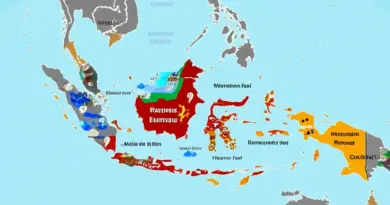
Welcome to the archipelago! Indonesia, a nation comprising thousands of islands, offers incredible diversity, but moving between its major metropolitan and tourist hubs—Jakarta, Bali, Surabaya, and Yogyakarta—requires smart planning. While the adventure is unparalleled, the traffic can be daunting. Understanding the local ecosystem of ride-hailing, traditional taxis, and emerging public transit systems is key to a seamless experience. This comprehensive guide provides essential Navigating Indonesia’s Major Cities transportation tips, ensuring you spend less time stuck and more time exploring.
The Digital Lifeline: Ride-Hailing Apps (Gojek & Grab)
In modern Indonesia, ride-hailing applications are indispensable. Gojek (the local giant) and Grab (the regional powerhouse) dominate the market. They offer motorcycle taxis (Ojek Online), car services (GoCar/GrabCar), and even food/delivery services. For tourists, these apps offer transparent pricing, safety tracking, and a way to bypass language barriers when communicating destinations.
Jakarta: Mastering the App Ecosystem
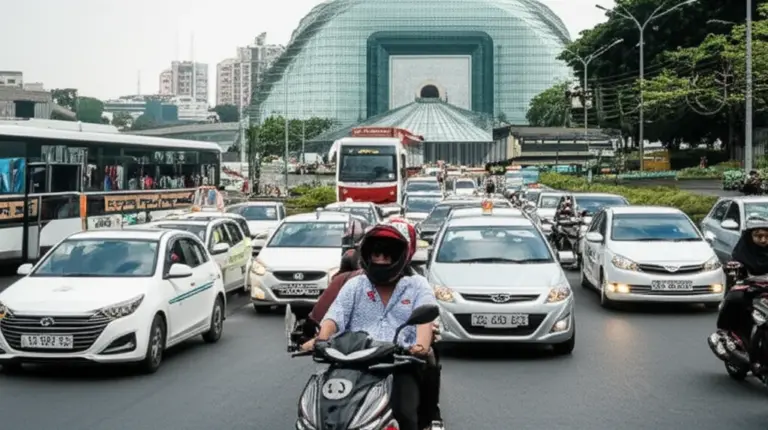
In Jakarta, the sheer volume of traffic makes motorcycle taxis (Ojek) the fastest option for solo travelers, provided you don’t mind weaving through congestion. Always ensure you have sufficient balance in your linked digital wallet (GoPay, OVO, or Dana) or cash ready for the driver, although digital payment is increasingly preferred.
Bali: The Scooter vs. Car Dilemma
In tourist hotspots like Seminyak, Canggu, and Ubud, ride-hailing coverage can sometimes be restricted due to local transport cooperatives (Ojek pangkalan) exerting influence. While Grab/Gojek works well for airport transfers or long hauls, short trips might require negotiating with local drivers or renting a scooter. If renting a scooter, an International Driving Permit (IDP) is legally required, and helmets must be worn.
Surabaya & Yogyakarta: Reliability and Coverage
Both Surabaya and Yogyakarta have robust Gojek/Grab coverage. In Yogyakarta, due to lower overall congestion compared to Jakarta, car services are often comfortable and reasonably priced for visiting temples like Borobudur or Prambanan.
Traditional Transit: Taxis and Fixed Routes
While apps dominate, traditional taxis remain vital, especially for late-night travel or areas where apps are restricted. Public transit, while evolving, offers budget options for the dedicated traveler.
Choosing Trustworthy Taxis (Blue Bird & Meter Use)
When hailing a street taxi, stick to reputable blue operators, most notably Blue Bird Group. Always insist that the driver uses the meter (argo). If a driver refuses the meter, politely decline and find another taxi. Avoid unmarked taxis, as they often quote exorbitant flat fares.
Understanding Fixed Bus Systems (TransJakarta, TransJogja)
Public bus systems offer the lowest fares but require patience and local knowledge:
- TransJakarta (Jakarta): This is a dedicated Bus Rapid Transit (BRT) system. It uses segregated lanes, making it surprisingly fast during peak hours. Purchase a reusable electronic card (e.g., e-Money) to tap in and out.
- TransJogja (Yogyakarta): A comprehensive network covering the city center and surrounding areas. Fares are cheap, but routes can be confusing for first-timers.
Deep Dive: City-Specific Transportation Guides
Each city demands a tailored approach to maximize efficiency. Effective Navigating Indonesia’s Major Cities transportation tips requires understanding these local nuances.
Jakarta: Conquering the Gridlock (MRT/LRT Integration)
Jakarta’s secret weapon against traffic is its expanding rail network. The MRT (Mass Rapid Transit) is clean, air-conditioned, and incredibly fast. Combining a short ride on the MRT with a final-mile Gojek Ojek is often the absolute quickest way across the city center. Always check the route map before setting out.
Bali: The Island’s Unique Challenges
Bali lacks an extensive public rail system in its main tourist zones. Transportation outside of Kuta/Seminyak often involves private drivers for day trips or relying heavily on ride-hailing cars, especially if you have luggage. For island hopping, use official ferry services from Sanur (to Nusa Islands) or Padang Bai (to Lombok).
Surabaya: Leveraging the City’s Modernization
Surabaya, East Java’s capital, is surprisingly well-connected. While traffic exists, the city often flows better than Jakarta. Its proximity to the Juanda International Airport (SUB) is excellent, and ride-hailing services are highly reliable for accessing areas like Tunjungan Plaza or the historic Old Town.
Yogyakarta: Culture Meets Commute
Yogyakarta is more compact and tourist-friendly regarding movement. For visiting the Keraton (Sultan’s Palace) or Malioboro Street, walking or using bicycle rickshaws (andong) is ideal. For longer excursions to the temples, pre-booking a private car or using GrabCar is standard practice.
| City | Best for Solo/Quick Trips | Best for Comfort/Luggage | Public Transit Highlight |
|---|---|---|---|
| Jakarta | Ojek Online (Motorcycle) | MRT/LRT + Car Service | TransJakarta BRT & MRT |
| Bali | Scooter Rental (If experienced) | GrabCar/Private Driver | Limited (Mostly Local Shuttle) |
| Surabaya | GrabCar/Gojek | GrabCar/Blue Bird Taxi | City Bus Network |
| Yogyakarta | Walking/Bike Taxi | Pre-booked Car for Temples | TransJogja Bus |
Essential Tips for Smooth Journeys
To truly master movement across these diverse locales, keep these final expert considerations in mind. Always verify your destination on a map application (like Google Maps) before confirming a ride, especially if using a local taxi, to ensure the driver is heading the right way. Furthermore, avoid traveling during peak rush hours (7 AM–9 AM and 5 PM–7 PM) in Jakarta and Surabaya if possible.
For a visual guide on dealing with city traffic and understanding local etiquette, this video offers excellent context:
Lastly, remember that patience is your greatest asset. Traffic jams happen, and sometimes the best plan is to relax, grab a coffee, and enjoy the vibrant chaos that is Indonesian urban life.
คำถามที่พบบ่อย (FAQ)
Q: Is cash necessary for transport in Indonesia?
A: While ride-hailing apps use digital wallets (GoPay, OVO), always carry small denominations of Rupiah (IDR) for local taxis, small vendors, and paying tolls.
Q: Which city has the best public transport?
A: Jakarta currently offers the most comprehensive modern system with the MRT, LRT, and TransJakarta bus network, significantly improving commute times.
Q: Is it safe to rent a scooter in Bali?
A: Scooters are popular but require confidence in heavy traffic and an International Driving Permit (IDP). Tourists should prioritize safety and consider ride-hailing for longer distances.
References
These resources informed the practical advice provided regarding Indonesian transport regulations and infrastructure updates.
- Official Jakarta Provincial Government Transportation Information
- Indonesia Tourism Official Site (General Travel Advice)
- Blue Bird Taxi Official Website
- Getting Around Indonesia: The Ultimate Guide to Transportation Options for Every Traveler
- How to Choose the Best Transportation Mode in Indonesia: Comparing Planes, Trains, Ferries, Buses, and Car Rentals for Cost, Time, and Comfort
- Island-Hopping Made Easy: Ferry Schedules, Fast Boats, and Safety Advice for Traveling Between Bali, Lombok, Flores, and the Gili Islands