Indonesia Travel Costs: A Detailed Budget Breakdown for Every Type of Traveler
- Indonesia Travel Costs: A Detailed Budget Breakdown for Every Type of Traveler
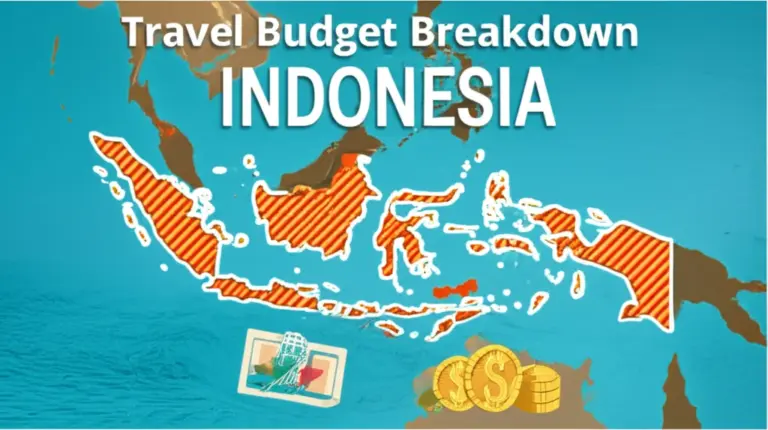
Planning a trip to the archipelago of over 17,000 islands? Understanding the **Indonesia Travel Costs** is the first, crucial step to an unforgettable adventure. Whether you dream of surfing in Canggu, trekking volcanoes in Java, or diving in Raja Ampat, budgeting successfully requires segmenting expenses based on your travel style. This detailed guide breaks down daily spending, accommodation, food, and activities to ensure your Indonesian journey fits your wallet perfectly.
Understanding the Indonesian Rupiah (IDR) & Exchange Rates
Before diving into specific costs, mastering the local currency is essential. The Indonesian Rupiah (IDR) is known for its large denominations. As of mid-2024, the exchange rate hovers around 15,500 to 16,500 IDR per 1 USD. This favorable exchange rate is what makes Indonesia such an attractive destination for travelers worldwide. Always check the current rate, but remember that large cash withdrawals or using local ATMs often incur small fees. For high-end hotels or specialized tours, credit cards are accepted, but street vendors and local markets demand cash.
The Three Traveler Profiles: Budgeting Tiers
To provide a realistic budget, we segment travelers into three primary categories. These estimates exclude international airfare to Indonesia, focusing only on in-country daily expenses.
The Backpacker/Shoestring Traveler (Under $40/day)
This traveler prioritizes experience over comfort, staying in dorms, eating primarily at local *warungs* (small local eateries), and using public or shared transport. They are masters of bargaining and seek out free activities like beach visits or temple wandering.
| Expense Type | Estimated Daily Cost (USD) | Notes |
|---|---|---|
| Accommodation (Dorm Bed) | $8 – $15 | Hostels or very basic guesthouses. |
| Food & Drink (Local) | $10 – $15 | 2-3 meals at warungs, water refills. |
| Transport (Local/Shared) | $5 – $10 | Bus, shared taxi, or short scooter rentals. |
| Activities/Misc | $5 – $10 | Minimal entrance fees. |
| Total Daily Estimate | $28 – $50 | Targeting the sub-$40 goal requires discipline. |
The Mid-Range Explorer ($50 – $100/day)
The mid-range traveler seeks comfort, privacy, and a mix of local and international experiences. They stay in private rooms or boutique hotels, enjoy occasional nice dinners, and utilize ride-sharing apps like Gojek or Grab.
The Luxury Seeker ($150+/day)
This budget covers high-end resorts, fine dining, private drivers, domestic flights, and exclusive experiences like private yacht charters or luxury spa treatments. This tier offers complete convenience across popular destinations like Seminyak or Nusa Dua.
Detailed Cost Breakdown Categories
To truly understand your **Indonesia Travel Costs**, we must examine the core components of any trip.
Accommodation Costs Across Regions
Accommodation is often the largest variable cost.
- Hostel/Guesthouse (Basic): $7 – $20 per night (Common in Ubud, Yogyakarta).
- Mid-Range Hotel/Private Homestay: $35 – $75 per night (Good quality, often includes breakfast).
- Luxury Villa/Resort: $150 – $500+ per night (Especially high in high season in Bali).
Transportation Expenses (Flights, Trains, Scooters)
Moving between islands requires planning. Domestic flights are surprisingly affordable if booked in advance through local carriers like Lion Air or Garuda Indonesia.
- Domestic Flights (e.g., Jakarta to Bali): $40 – $80 one way (when booked early).
- Train Travel (Java): Highly recommended. An executive class ticket from Bandung to Yogyakarta might cost $25 – $40.
- Scooter Rental: $5 – $8 per day. Essential for flexibility outside major cities. Ensure you have an International Driving Permit (IDP) for legality and insurance.
Food & Drink Budgeting (Warungs vs. Fine Dining)
Food is where you can save the most money in Indonesia. Eating local is delicious and cheap.
- Warung Meal (Nasi Goreng, Mie Goreng): $1.50 – $3.00.
- Mid-Range Restaurant Meal: $8 – $15 per person.
- Western/Fine Dining: $25 – $50+ per person.
- Bintang Beer (Local): $2.50 (local bar) to $5.00 (tourist spot).
Activities, Tours, and Entrance Fees
Major attractions often have set entry fees, which are usually low by Western standards.
- Temple Entry (e.g., Borobudur/Prambanan): $20 – $35 for foreigners (often bundled tickets are available).
- Snorkeling/Diving Day Trip (Gili Islands): $30 – $60.
- Volcano Hike (e.g., Mt. Bromo Sunrise Tour): $25 – $50 (including guide and transport).
For a comprehensive visual guide on managing your spending, check out this helpful overview:
Regional Cost Variations: Bali vs. Java vs. Remote Islands
The cost of travel is highly dependent on geography. Bali, particularly the southern tourist hubs (Kuta, Seminyak), carries a premium.
| Region | Accommodation Index (Bali=100) | Food Cost Index |
|---|---|---|
| South Bali (Kuta, Seminyak) | 100 | 90 |
| Ubud/North Bali | 85 | 75 |
| Yogyakarta (Java) | 50 | 45 |
| Lombok/Flores (Non-Komodo Tours) | 65 | 60 |
Java, with its robust public transport networks and strong local economy outside of tourist hotspots, consistently offers lower daily **Indonesia Travel Costs** compared to Bali’s established tourist infrastructure. Remote islands often require more expensive private boat charters, driving up transport costs.
Essential Money-Saving Tips for Your Indonesia Travel Costs
Expert travelers utilize these strategies to maximize their Rupiah:
- Negotiate Transport: Always agree on a price with taxi drivers (or use ride-sharing apps) before getting in.
- Embrace the Warung: Eat where the locals eat. A $2 meal at a warung is often more authentic and delicious than a $15 meal at a tourist trap restaurant.
- Travel Off-Season: Avoid peak times (July/August and Christmas/New Year) when accommodation prices can double. The shoulder seasons (April-June, September-October) offer great weather and lower rates.
- Use Overnight Transport: Taking an overnight train or bus saves you the cost of one night’s accommodation.
คำถามที่พบบ่อย (FAQ)
Here are answers to common questions regarding budgeting for Indonesia.
1. Is Indonesia expensive compared to Thailand or Vietnam?
Generally, Indonesia can be slightly more expensive than Vietnam or rural Thailand, primarily due to higher entrance fees for major sites (like Borobudur) and the necessity of internal flights or longer ferries to reach remote spots. However, comparable budget travel styles often balance out.
2. How much should I budget for SIM cards and data?
Data is very affordable. A local Telkomsel SIM card loaded with 10GB-20GB of data typically costs between $8 and $15 USD and offers excellent coverage, even in many rural areas.
3. Are tipping practices expected in Indonesia?
Tipping is not mandatory or expected in local restaurants or for small services. However, it is appreciated for exceptional service, especially for tour guides, drivers, or in higher-end tourist establishments.
4. What is the best way to handle money in Indonesia?
Carry sufficient cash (IDR) for daily transactions, especially outside major cities. Use bank ATMs linked to major banks (like BCA or Mandiri) inside secure locations (malls, airports) to minimize skimming risks and potentially lower withdrawal fees. Always inform your home bank of your travel dates.
5. Do I need to budget extra for visa fees?
Many nationalities qualify for Visa on Arrival (VOA) for stays up to 30 days, which currently costs around $35 USD (or 500,000 IDR). This fee is separate from your daily budget but must be factored into your initial entry costs.
References
Bank Indonesia Official Site for Currency Information
Indonesian Directorate General of Immigration (Visa Policies)
- How much does a trip to Indonesia really cost? — Typical daily and weekly budgets for backpackers, mid-range travelers, and luxury tourists
- Transportation and Getting Around Indonesia — Flights, ferries, trains, buses, taxis, and budgeting tips for inter-island travel
- Accommodation Costs by Region and Style — Hostels, guesthouses, hotels, villas, and how prices vary between Bali, Java, Sumatra, Sulawesi, and the islands