A Culinary Journey Through Indonesia: Must-Try Dishes and Where to Find Them
Indonesia, an archipelago sprawling across thousands of islands, is a vibrant mosaic of cultures, landscapes, and, most importantly, flavors. To truly understand this nation is to embark on a culinary journey that traverses spicy sambals, rich coconut curries, and smoky street-side grills. For the discerning traveler eager to explore the heart of the nation through its gastronomy, knowing where to start is crucial. This guide illuminates the absolute must-try Indonesian dishes that define this incredible food landscape, detailing not just what they are, but where you can find their most authentic renditions.
The Pillars of Indonesian Flavor: Essential Dishes You Cannot Miss
While the regional variations are endless, a few iconic dishes form the foundation of Indonesian cuisine. These are the staples that appear in humble warungs (small local eateries) and upscale restaurants alike, each telling a story of history, trade, and local ingredients.
Rendang: The Slow-Cooked Masterpiece (West Sumatra)
Often cited as one of the world’s most delicious foods, Beef Rendang is not merely a curry; it is an act of culinary devotion. Originating from the Minangkabau people of West Sumatra, the beef is slow-cooked for hours in coconut milk and a complex spice paste (including galangal, turmeric, ginger, and chili) until the liquid evaporates, caramelizing the meat and infusing it deeply with flavor. The best place to experience true Rendang is in Padang restaurants across Jakarta or by visiting its homeland, Sumatra. Look for the drier, darker versions for the most intense flavor profile.
Nasi Goreng: The National Staple (Ubiquitous)
If you are searching for the most accessible of the must-try Indonesian dishes, look no further than Nasi Goreng, or fried rice. Every family, every street vendor, and every hotel chef has their own secret recipe. Typically seasoned with kecap manis (sweet soy sauce), shallots, garlic, shrimp paste (terasi), and served with a fried egg (telur mata sapi) and crisp crackers (krupuk), it is the ultimate comfort food. While available everywhere, seek out specialized Nasi Goreng stalls operating late at night for the freshest, wok-charred experience.
Sate (Satay): Skewered Perfection (Central Java/Madura)
Satay is famous worldwide, but the Indonesian version—often served with a rich, slightly sweet, and smoky peanut sauce—is unparalleled. While chicken (Sate Ayam) and goat (Sate Kambing) are popular, the Madurese style, known for its potent peanut sauce and charred flavor, is a highlight. In Central Java, particularly around Solo, you might find unique variations like Sate Buntel (minced meat wrapped in fat).
Regional Delights: Exploring Local Specialties
Moving beyond the big three reveals the true depth of the Indonesian culinary map. The diverse geography and cultural influences mean that what is a staple in one island might be unheard of on another.
Babi Guling (Balinese Roast Pork)
Babi Guling is an elaborate, ceremonial dish involving an entire pig stuffed with a rich spice paste (basa gede) containing turmeric, coriander, lemongrass, and chili, then slow-roasted over an open fire until the skin is perfectly crisp. In Bali, look for dedicated Warung Babi Guling establishments, often marked by long queues in the morning, signifying freshness. Learn more about Balinese culinary traditions.
Soto: The Comforting Indonesian Soup (Various Regions)
Soto is the umbrella term for traditional Indonesian soups, characterized by a flavorful broth, meat (chicken, beef, or offal), vermicelli, and often topped with lime juice and fried shallots. Soto Ayam (chicken soup) is the most common, but Soto Betawi (Jakarta style, often using coconut milk or fresh milk) and Soto Lamongan (East Java, characterized by its distinctive savory powder topping) offer distinct experiences. It is the perfect remedy after a long day of exploration.
Gudeg: Sweet Jackfruit Stew from Yogyakarta
Hailing from the cultural heartland of Yogyakarta, Gudeg is a slow-cooked stew made from young, unripe jackfruit simmered for hours with palm sugar and coconut milk. This process gives the dish its signature dark brown color and profoundly sweet, savory flavor. It is often served with rice, spiced hard-boiled eggs, and chicken. Gudeg is a testament to Javanese patience in cooking.
Street Food Adventures & Culinary Hotspots
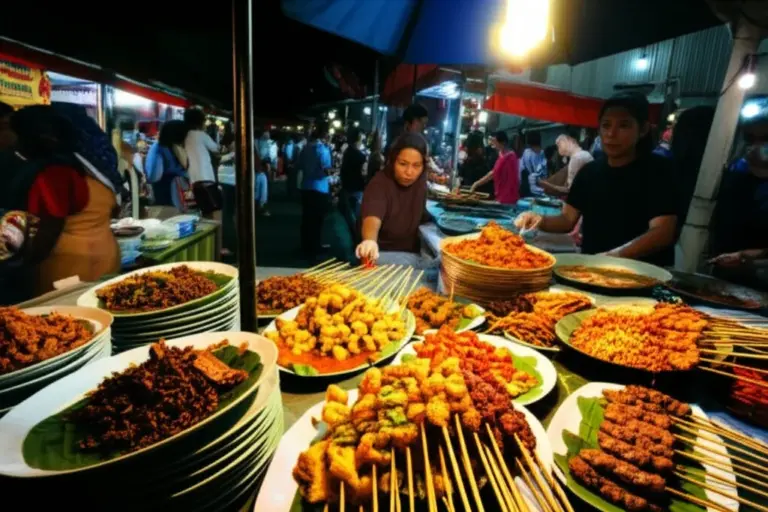
The true soul of Indonesian food thrives on the streets. From bustling night markets in Jakarta to beachside stalls in Lombok, street food offers unparalleled access to authentic flavors at low prices. To fully immerse yourself in this vibrant scene, watching local vendors in action is essential.
The video above captures the energy and diversity of finding the best street eats. For a truly localized experience, consider visiting Jatinegara Night Market in East Jakarta for diverse snacks, or exploring the food stalls surrounding the main temples in Ubud, Bali, for late-night treats.
A Table of Favorites: Quick Comparison
| Dish | Origin | Key Flavor Profile | Best Found |
|---|---|---|---|
| Rendang | West Sumatra | Rich, Spicy, Earthy | Padang Restaurants |
| Nasi Goreng | National | Savory, Sweet Soy | Street Stalls (Warungs) |
| Babi Guling | Bali | Aromatic, Crispy Skin | Dedicated Bali Warungs |
| Gudeg | Yogyakarta | Sweet, Tender | Yogyakarta Markets |
Tips for Your Indonesian Culinary Exploration
As an expert in culinary travel, I advise travelers to embrace the unknown. Don’t be afraid of spice; always ask for the sambal on the side if you are unsure of your tolerance. Trust your eyes—if a stall is busy with locals, the food is fresh and excellent. Furthermore, remember that Indonesian dining is often communal. Sharing plates, especially when sampling various must-try Indonesian dishes, is part of the cultural immersion.
When exploring Java, look for Pecel Lele (fried catfish with sambal) as a quick, satisfying lunch. In Sulawesi, the seafood preparations, particularly those featuring rich chili pastes, offer a distinct coastal flavor profile that contrasts beautifully with the heavier rice dishes of Java. Always finish a meal with fresh tropical fruit or a sweet iced dessert like Es Campur.
คำถามที่พบบ่อย (FAQ)
Here are answers to common questions regarding Indonesian food exploration.
What is the safest way to try street food in Indonesia?
The safest approach is to choose vendors who are busy, indicating high turnover of ingredients. Look for food that is cooked fresh in front of you (like satay or fried noodles) rather than food that has been sitting out for a long time. Stick to bottled or purified water.
Which Indonesian dish is considered the national dish?
While officially Nasi Goreng (fried rice) is often cited as the national dish due to its ubiquity and cultural importance across all islands, Rendang is frequently recognized internationally as the signature dish of Indonesian culinary heritage.
Do I need to eat spicy food when visiting Indonesia?
Not necessarily. While spice (sambal) is integral, most dishes can be ordered mild, or you can request the sambal separately. Dishes like Gudeg are naturally sweet, and many soups like Soto are mild unless chili is added.
References
- Overview of Indonesian Regional Cuisines and What Makes Them Unique (best Indonesian dishes by region, culinary traditions)
- Signature Dishes to Try: Ingredients, Flavor Profiles, and Cultural Significance (nasi goreng, rendang, soto, satay, gado-gado)
- Top Cities and Local Spots to Eat Like a Local: Markets, Street Food, and Restaurants (Jakarta, Yogyakarta, Padang, Bali — where to find authentic dishes)