Planning Around Events and Festivals: Major Cultural and Religious Celebrations, Surf Competitions, Wildlife Seasons, and How They Affect Crowds and Prices
- Planning Around Events and Festivals: Major Cultural and Religious Celebrations, Surf Competitions, Wildlife Seasons, and How They Affect Crowds and Prices
Navigating the dynamic calendar of the Indonesian archipelago is crucial for maximizing your travel experience while managing budgets and avoiding overwhelming crowds. From the serene silence of Nyepi in Bali to the massive celebrations of Eid al-Fitr across Java, timing your visit around key cultural, religious, and natural occurrences can transform a good trip into an exceptional one. This detailed guide serves as your essential **Indonesia event planning guide for travelers**, breaking down when major events happen and how they directly influence local logistics, accommodation costs, and overall visitor density.
Understanding Indonesia’s Event Calendar: The Core Drivers
The rhythm of Indonesian life is dictated by significant religious observances that bring commerce to a standstill and massive national holidays that prompt internal migration. For international tourists, recognizing these dates is non-negotiable for smooth travel logistics.
Religious Observances: Timing Your Visit Around Major Faiths
Islam is the majority religion, making the timing of Eid al-Fitr (Lebaran) the most impactful national event. This massive holiday, marking the end of Ramadan, sees millions travel back to their hometowns, often leading to sold-out domestic transport (trains, ferries, domestic flights) for weeks leading up to and following the official date. While tourist areas might be slightly less crowded immediately after Eid, the preceding two weeks are notoriously difficult for spontaneous travel.
In Bali, the Hindu observance of Nyepi (Day of Silence) is an unmissable cultural event, but it requires careful planning. On Nyepi, the entire island—including the airport—shuts down for 24 hours of absolute silence, meditation, and darkness. If your visit coincides with this day, you must plan to be settled at your accommodation for the entire duration. Conversely, the preceding night features massive street parades (Ogoh-Ogoh) that are spectacular to witness, creating a temporary local peak in crowds.
National and Cultural Festivals
Indonesian Independence Day (August 17th) is celebrated nationwide with local flair. While not causing the same logistical chaos as Lebaran, major cities experience heavy traffic and local festivities, which can be engaging but also disruptive to sightseeing schedules. Keep an eye on regional harvest festivals (like the Toraja funeral ceremonies in Sulawesi or local temple anniversaries) as these attract significant domestic tourism, especially in remote areas.
Niche Tourism Peaks: Surf Competitions and Wildlife Encounters
Beyond religious observance, specific activities drive concentrated surges in niche tourism sectors, directly impacting localized pricing and availability.
Chasing Waves: Indonesia’s Surf Competition Calendar
Indonesia is a global surf Mecca, and major competitions—particularly those held on the Bukit Peninsula in Bali (e.g., the World Surf League events) or in the Mentawai Islands—cause significant spikes in demand for villas, surf camps, and dive centers in those specific regions. These events usually fall between April and October, coinciding with the prime dry season swells.
Travelers seeking quiet breaks should avoid the immediate vicinity of recognized competition venues during the event window, as rental rates can double, and the vibe shifts from relaxed exploration to high-energy sporting spectacle.
Wildlife Seasons: Experiencing Nature at Its Peak
For wildlife enthusiasts, timing dictates the quality of the experience. Consider the following:
- Komodo Dragons (Komodo National Park): The dry season (April to October) is the best time for trekking, as the paths are less muddy. This peak season naturally increases park fees and boat charter costs.
- Birdwatching (e.g., Lore Lindu National Park, Sulawesi): Migration patterns dictate viewing opportunities, often aligning with shoulder seasons (March/April or September/October), offering a sweet spot between good wildlife visibility and lower overall tourist crowds.
Visualizing Indonesia’s Seasonal Shifts
To better understand the timing, here is a quick reference table:
| Event Type | Typical Period | Crowd/Price Impact |
|---|---|---|
| Eid al-Fitr (Lebaran) | Variable (Check Islamic Calendar) | Extreme domestic travel congestion; high local prices. |
| Nyepi (Day of Silence) | March/April (Balinese Calendar) | Total island lockdown for 24 hours; high demand preceding night. |
| Peak Surf Season (Bali/Lombok) | May – September | Localized price inflation in surf hubs. |
| Christmas/New Year | Mid-December to Early January | Global peak season; highest international pricing. |
The fundamental rule of Indonesian tourism pricing is supply and demand, heavily skewed by mandatory national holidays. Understanding the difference between shoulder, peak, and low seasons is vital for budgeting.
High Season vs. Shoulder Season: Cost Analysis
Peak Season (July, August, Christmas/NYE): Expect 50-100% increases in hotel rates, especially in prime areas like Seminyak or Ubud. Flight prices from international hubs will also be at their annual maximum. This is the time for guaranteed good weather but guaranteed high costs.
Shoulder Season (April, May, September, October): This is often the sweet spot. Weather is generally excellent (especially the transition periods), crowds are manageable, and prices are significantly lower than peak season. This is ideal for diving and enjoying cultural sites without queues.
Booking Strategies for Peak Times
If your travel dates must align with a major event (like attending a specific wedding or participating in a festival), aggressive advance booking is essential. For major holidays like Lebaran, booking domestic transport 3-4 months ahead is recommended. For international flights coinciding with Christmas, aim for 6-9 months out.
Essential Tips for Successful Indonesia event planning guide for travelers
To harmonize your adventure with Indonesia’s vibrant schedule, follow these expert strategies:
- Monitor Local Tourism Boards: Always check the official provincial tourism websites (e.g., Bali Tourism Board) 6 months out for confirmed dates of major annual events.
- Buffer Days: Always add buffer days before and after major travel intersections (like Lebaran or Nyepi) to account for inevitable delays or closures.
- Explore Off-Beat Islands: If Java and Bali are locked down for a national holiday, consider islands like Flores or Raja Ampat, where the impact of Java-centric holidays is significantly diminished, offering a quieter experience.
- Use Local Guides for Niche Events: For complex events like the Tana Toraja funeral rites, hiring a reputable local guide is necessary not only for logistics but also for cultural sensitivity and access.
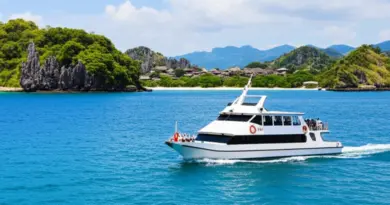
To give you a visual sense of the beauty you are planning around, here is a look at some of the stunning natural backdrops that draw crowds during peak seasons:
By proactively integrating knowledge of cultural celebrations, surf calendars, and wildlife cycles into your itinerary, you gain control over your budget and schedule, ensuring that every major event you encounter enhances, rather than hinders, your Indonesian adventure. Successful travel here is about anticipation.
คำถามที่พบบ่อย (FAQ)
Here are answers to common questions regarding planning travel around Indonesian events.
References
For further detailed planning, consult official sources:
- Official Indonesia Tourism Portal
- Bali Travel Information for Nyepi Dates
- World Surf League Official Calendar
- Best Time to Visit Indonesia: A Seasonal Guide to Weather, Festivals, and Regional Highlights
- When to Go: Understanding Indonesia’s Climate Zones and Best Months for Travel
- Island-by-Island Breakdown: Weather Patterns, Peak Seasons, and Ideal Activities for Java, Bali, Sumatra, Kalimantan, Sulawesi, Lombok, and Papua