Cave and River Adventures in Sulawesi: An Underground Exploration Guide
- Cave and River Adventures in Sulawesi: An Underground Exploration Guide
Sulawesi, the ancient land shaped by fire and water, hides secrets far beneath its dramatic limestone karst landscapes. For the intrepid traveler seeking experiences beyond the beaches of the Togian Islands or the Toraja highlands, the island offers unparalleled opportunities for subterranean discovery. Embarking on Cave and River Adventures in Sulawesi is not just sightseeing; it’s an immersion into geological history, featuring crystal-clear underground rivers and vast, echoing caverns. This guide is designed for the serious explorer looking to navigate the best of Sulawesi’s underground realms, ensuring safety, respect, and awe.
The Geological Marvels of Sulawesi’s Karst
Sulawesi sits at the confluence of tectonic plates, resulting in some of the most complex and dramatic geology on Earth. Much of the island’s subterranean appeal lies within its extensive karst formations—limestone bedrock eroded over millennia by acidic rainwater, creating sinkholes, caves (goa), and underground river systems. These formations provide habitats for unique flora and fauna and are often sites of ancient human habitation, adding a layer of cultural history to the geological exploration.
Why Choose Sulawesi for Underground Exploration?
While other Indonesian islands boast caves, Sulawesi offers a unique combination of scale, accessibility (ranging from easy walks to technical vertical drops), and pristine water quality. The integration of river systems directly into the cave network provides a dynamic caving experience unlike anywhere else in the archipelago.
Top Destinations for Cave and River Adventures in Sulawesi
To truly experience the island’s depths, focus your journey on specific regions known for their accessible and spectacular cave systems.
1. Leang-Leang and Maros-Pangkep Karst (South Sulawesi)
Near Makassar, the Maros-Pangkep region is famous for its towering limestone mogotes and ancient rock art. While many caves here are protected heritage sites, guided tours offer glimpses into historical significance.
- Leang Tempereang: Known for its prehistoric paintings, access is often restricted to protect the art, requiring permits.
- River Access: The area is defined by the Pangkajene River, which carves through the karst, offering potential for scenic kayaking near cave entrances.
2. Gua Liang Sedoa (South Sulawesi)
This is a prime example of a true water cave experience. Explorers wade, swim, and sometimes float through a river that flows entirely underground. Proper preparation is essential here.
3. The Caves of Central Sulawesi (e.g., near Tentena)
Central Sulawesi offers wilder, less documented systems. The area around Lake Poso and its tributaries contains numerous undeveloped limestone formations ripe for serious speleological exploration.
Essential Gear and Preparation for Cave Exploration
Undertaking Cave and River Adventures in Sulawesi requires specialized equipment beyond standard hiking gear. The environment is dark, wet, and often muddy or slippery. E-E-A-T principles dictate that preparation is paramount for safety and enjoyment.
The Caving Kit Checklist
| Item | Purpose |
|---|---|
| Primary & Secondary Headlamp | Reliable, waterproof light sources (3 per person minimum). |
| Helmet | Mandatory for protection against falling debris and low ceilings. |
| Wetsuit or Drysuit Liner | Water temperature can be surprisingly cold, especially in deep systems. |
| Sturdy, Waterproof Boots | Excellent ankle support and grip for slick rocks. |
| Waterproof Dry Bag | To protect electronics, first aid, and essential supplies. |
When river systems are involved, the focus shifts to hydrology. Always check local weather forecasts, especially upstream, before entering any cave system connected to a surface river. Flash floods are a genuine risk in tropical karst regions. Experienced guides will know the ‘flood signs’ specific to the local geology.
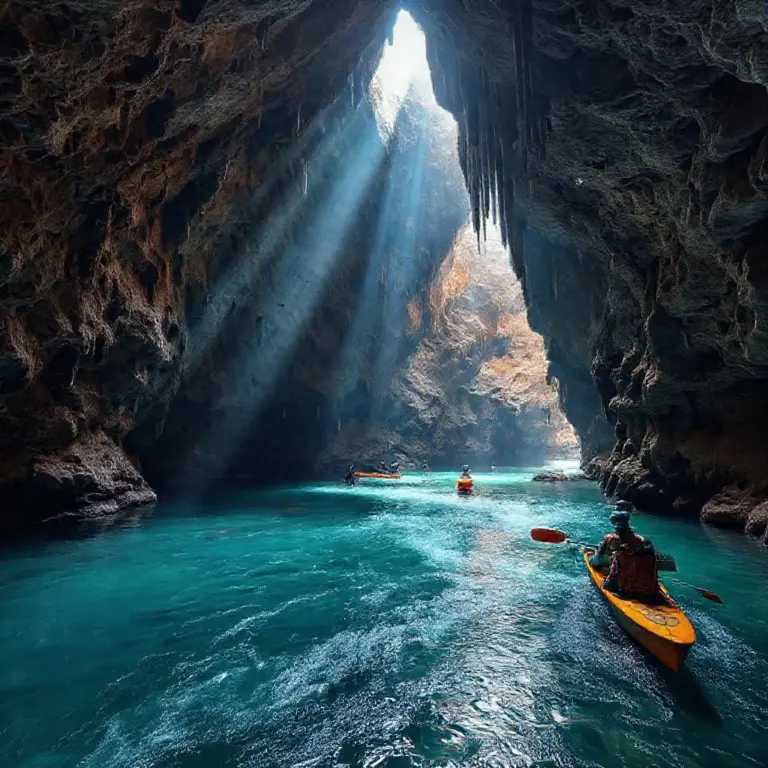
To give you a visual sense of the incredible environments awaiting you, here is a curated look at underground exploration in the region:
Conservation and Respect: The Explorer’s Ethic
As stewards of these fragile environments, responsible tourism is crucial. Sulawesi’s caves, particularly those containing ancient artifacts or unique ecosystems (like blind cave fish or rare bats), must be treated with the utmost care.
- Leave No Trace: Pack out everything you pack in. Do not leave any trash, food scraps, or personal items behind.
- Do Not Touch: Avoid touching cave formations (speleothems) like stalactites and stalagmites. The oils from human skin can permanently halt their growth.
- Support Local Experts: Hiring certified local guides not only supports the community but drastically increases safety and understanding of the site’s history and fragility.
- Minimize Disturbance: Keep noise levels low to avoid disturbing cave-dwelling wildlife. Do not use flash photography in areas with prehistoric art.
For serious multi-day expeditions, topographical maps are rare. Most exploration relies on local knowledge and GPS tracking. If you plan to venture beyond established tourist routes, coordinate with geological or caving associations in Indonesia. Here is a generalized location reference for the major karst area:
Planning Your Sulawesi Expedition Logistics
Logistics in Sulawesi require patience. Travel between regions can be slow, emphasizing the need for thorough advance planning. The best time for Cave and River Adventures in Sulawesi is generally during the dry season (May to September), minimizing the risk of high water.
For booking reputable guides specialized in caving and river trekking, the regional tourism offices near Makassar or Rantepao (if venturing further north) are excellent starting points. They often maintain lists of vetted adventure operators who understand the technical requirements of underground exploration.
คำถามที่พบบ่อย (FAQ)
Navigating the specifics of underground tourism in Sulawesi can bring up many questions. Here are the most common inquiries:
1. Do I need a permit to enter caves in Sulawesi?
For major tourist-accessible caves, usually only the entrance fee and guide payment are required. However, for caves designated as historical or archaeological sites (like those with ancient art), special permits from the local archaeological service are mandatory and must be arranged well in advance.
2. Are there professional caving tours available?
Yes, specialized local operators exist, particularly around the Maros region. Look for guides who emphasize safety protocols, carry appropriate rescue gear, and are transparent about their experience in water-based cave systems. Always verify their certifications.
3. Is swimming skills required for cave exploration here?
For river caves, strong swimming ability is often essential, as you may need to navigate underwater passages or swim against currents. For dry cave systems, basic comfort in dark, confined spaces is more important than swimming proficiency.
4. What is the typical cost for a guided half-day cave trip?
Costs are highly variable based on location and technical difficulty. A standard, easy-to-access cave tour with a local guide might range from $20 to $40 USD per person. Technical river caving trips involving specialized gear can cost significantly more.
5. Are there any endemic species I should look out for?
Sulawesi hosts several troglobites (organisms adapted to life in caves), including various species of blind cave fish and specialized invertebrates. Observing them quietly without interference is part of the deep exploration experience.
References
Geomorphology and Cave Systems of Sulawesi Research
IUCN Guidelines for Cave and Karst Tourism
Official Indonesia Tourism Portal
- Best Caving Routes in Sulawesi for Beginners and Experienced Adventurers — detailed trail options, difficulty levels, and how to choose based on fitness and time
- Safety, Permits, and Local Guides for Sulawesi Cave and River Expeditions — essential precautions, required permits, hiring reputable guides, and equipment checklist
- Wildlife, Geology, and Cultural Highlights Inside Sulawesi’s Caves — what flora, fauna, rock formations, and indigenous stories to expect on underground river trips