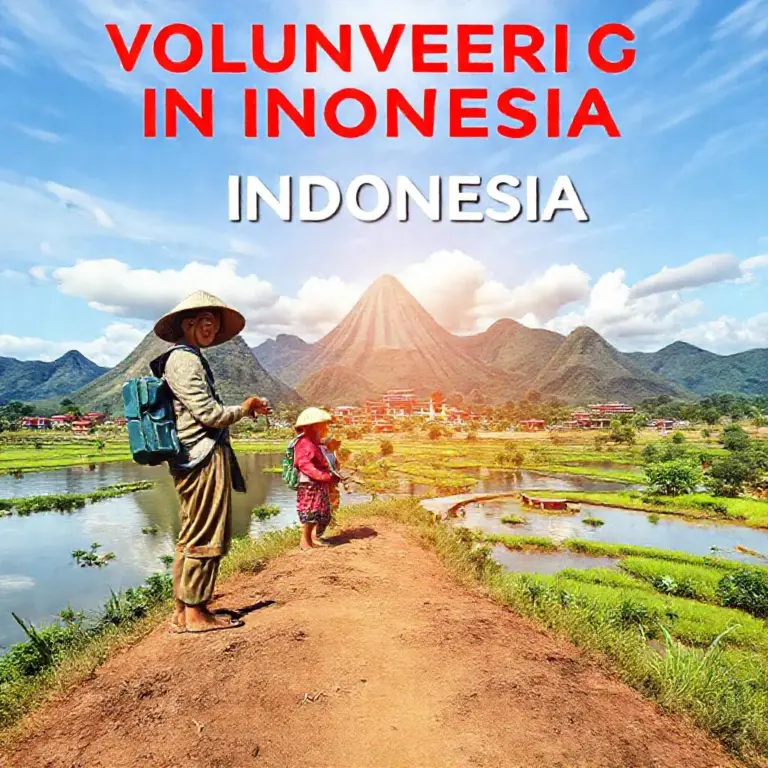
Why Volunteer in Indonesia? Understanding Motivations, Impact, and Responsible Travel Practices
- Why Volunteer in Indonesia? Understanding Motivations, Impact, and Responsible Travel Practices
- The Transformative Motivations for Volunteering in Indonesia
- Understanding Your Potential Impact: Where You Can Help
- Responsible Travel Practices: Ensuring Ethical Volunteering
- Logistics: Preparing for Your Indonesian Volunteer Journey
- Choosing Your Indonesian Volunteer Destination
- คำถามที่พบบ่อย (FAQ)
- How much does it cost to volunteer in Indonesia?
- Is it safe to volunteer in rural areas of Indonesia?
- What is the minimum commitment time recommended for effective volunteering?
Indonesia, an archipelago of unparalleled biodiversity and cultural richness, offers more than just stunning beaches and ancient temples. For many travelers, the desire to connect deeply with the local communities leads them to seek out meaningful experiences. Understanding Why Volunteer in Indonesia is the first step toward ensuring your contribution is both personally rewarding and genuinely beneficial. This guide explores the core motivations, the real impact you can make, and the critical responsible travel practices necessary for an ethical trip.
The Transformative Motivations for Volunteering in Indonesia
People choose to volunteer abroad for a myriad of reasons, but the draw of Indonesia is often compounded by its unique socio-cultural landscape. When considering Why Volunteer in Indonesia, motivations usually fall into three key areas:
1. Deep Cultural Immersion and Language Acquisition
Unlike a standard vacation, volunteering places you directly within the daily life of an Indonesian community. You live, work, and eat alongside locals, offering an unparalleled opportunity to learn Bahasa Indonesia beyond basic phrases. This immersion fosters genuine relationships and a nuanced understanding of local customs, traditions, and the challenges faced by different island populations.
2. Personal Growth and Skill Application
Volunteering often pushes individuals outside their comfort zones, leading to significant personal development. Whether you are teaching English in a remote village in Flores, assisting with marine conservation in Raja Ampat, or helping build infrastructure in Java, you apply existing professional skills in a new context, building resilience and adaptability.
3. Addressing Local Needs and Making Tangible Impact
Perhaps the most compelling motivation is the desire to contribute positively. Indonesia faces diverse challenges, from environmental protection to educational disparities. Volunteers seek roles where their time and effort translate directly into measurable support for local initiatives.
Understanding Your Potential Impact: Where You Can Help
The scope of volunteer opportunities across the vast Indonesian archipelago is enormous. The impact you generate largely depends on the sector you choose and the duration of your stay. Here are some high-demand areas:
Environmental Conservation
With critical ecosystems like coral reefs, rainforests, and orangutan habitats under pressure, conservation roles are vital. Volunteers often participate in sea turtle monitoring in Bali, reforestation projects in Kalimantan, or coral reef health assessments in Eastern Indonesia. Your data collection and physical labor directly support long-term ecological health.
Education and Youth Development
English proficiency is a key gateway to economic opportunity. Teaching English, tutoring in math, or assisting with extracurricular activities in local schools or community centers provides essential support to educators and empowers the next generation. This work demands patience and cultural sensitivity.
Community Health and Infrastructure
In remote areas, volunteers with specific skills (e.g., healthcare, basic construction, IT support) can assist in building community facilities or supporting local health clinics. These projects are often long-term and require commitment to see substantial results.
Responsible Travel Practices: Ensuring Ethical Volunteering
The conversation around international volunteering has shifted significantly, emphasizing ethics over simple altruism. To truly answer the question of Why Volunteer in Indonesia responsibly, you must adopt a traveler mindset focused on minimizing harm and maximizing genuine benefit. This is where E-E-A-T—Experience, Expertise, Authoritativeness, and Trustworthiness—in travel planning becomes crucial.
Vetting Your Program Thoroughly
Avoid programs that promise unrealistic outcomes or focus heavily on orphanages (a high-risk area for ethical concerns). Look for organizations:
- That employ local staff and use volunteer fees for direct project funding.
- That clearly define the skills needed and the duration required for effective contribution.
- That have transparent financial reporting.
Cultural Sensitivity and Respect
Respecting local norms is non-negotiable. Always dress modestly, particularly when visiting religious sites or rural villages. Learn basic greetings in Bahasa Indonesia (e.g., Terima kasih for thank you). Remember, you are a guest, and your behavior reflects on the entire volunteer movement.
The Debate on Orphanage Volunteering
Many international child welfare organizations strongly advise against short-term volunteering in orphanages in Indonesia and globally. Short-term contact can disrupt attachment security for children. If you are passionate about child welfare, focus instead on educational support *outside* the residential home setting, or commit to long-term fostering/adoption if that is your goal.
Logistics: Preparing for Your Indonesian Volunteer Journey
Preparation is key to a successful and stress-free experience. Ensure you have all necessary documentation and understand the local environment.
Visa Requirements
Volunteering, even unpaid, generally requires a specific type of visa, often a Social Visit Visa (VBS) or a work permit depending on the activity’s nature. Always confirm the legal requirements with the Indonesian Embassy or Consulate in your home country well in advance. Breaching visa regulations can lead to deportation.
Health and Safety
Consult your doctor regarding necessary vaccinations (Hepatitis A/B, Typhoid are common recommendations). Purchase comprehensive travel and medical insurance that specifically covers emergency evacuation. Familiarize yourself with local emergency numbers and the location of reliable medical facilities near your placement.
To get a real sense of the vibrant community spirit you might encounter, watch this short documentary clip:
This video illustrates the positive community engagement possible when travel is approached with respect and intention.
Choosing Your Indonesian Volunteer Destination
Indonesia is incredibly diverse. Your choice of location will heavily influence your daily activities and cultural exposure:
| Region | Common Volunteer Focus | Cultural Note |
|---|---|---|
| Bali/Lombok | Marine conservation, English teaching | High tourist interaction; need for deep local connection |
| Java (Yogyakarta/Bandung) | Education, cultural preservation, social enterprise | Dense population centers; strong Javanese traditions |
| Sumatra/Kalimantan | Wildlife protection (Orangutans, elephants), sustainable farming | Requires more resilience and preparedness for remote living |
| Eastern Islands (Flores/Sulawesi) | Infrastructure development, environmental surveying | Less developed infrastructure; profound community impact |
คำถามที่พบบ่อย (FAQ)
Costs vary widely. Some NGOs require a program fee to cover accommodation, food, and project overhead, while others only require you to cover your own travel and living expenses. Be prepared to pay for your visa, insurance, and vaccinations regardless.
Generally, yes, the Indonesian people are incredibly welcoming. However, safety depends on the region and your preparation. Always stick to established volunteer organizations, inform your host family/coordinator of your whereabouts, and take standard precautions against petty theft.
For skill-based or complex conservation projects, a commitment of four weeks minimum is often necessary to become truly effective. For teaching or community support, two to three weeks can still offer value, provided the organization has a robust short-term structure in place.
References
For further reading on ethical travel and visa procedures:
- UK Government Foreign Travel Advice for Indonesia
- CDC Health Recommendations for Travelers to Indonesia