Why Visit Kota Tua and Jakarta’s National Museums? History, Culture, and What to Expect
- Why Visit Kota Tua and Jakarta’s National Museums? History, Culture, and What to Expect
- The Enduring Allure of Old Batavia (Kota Tua)
- Diving Deep: Jakarta’s National Museums Cluster
- Experiencing Culture: Beyond the Walls
- Practicalities and What to Expect
- Conclusion: A Journey Through Time
- คำถามที่พบบ่อย (FAQ)
- Is Kota Tua safe for solo female travelers?
- How much time should I allocate for both Kota Tua and the National Museum?
- Are there good food options near the museums?
- Do the museums offer guided tours in English?
Welcome to the historical epicenter of Indonesia’s capital! For any traveler interested in Indonesia Tourism, understanding Jakarta means stepping back into its layered past. The question, Why Visit Kota Tua and Jakarta’s National Museums? is best answered by exploring the tangible remnants of the Dutch colonial era and the rich tapestry of national identity. This guide promises an in-depth look at what awaits you in these crucial historical sites.
The Enduring Allure of Old Batavia (Kota Tua)
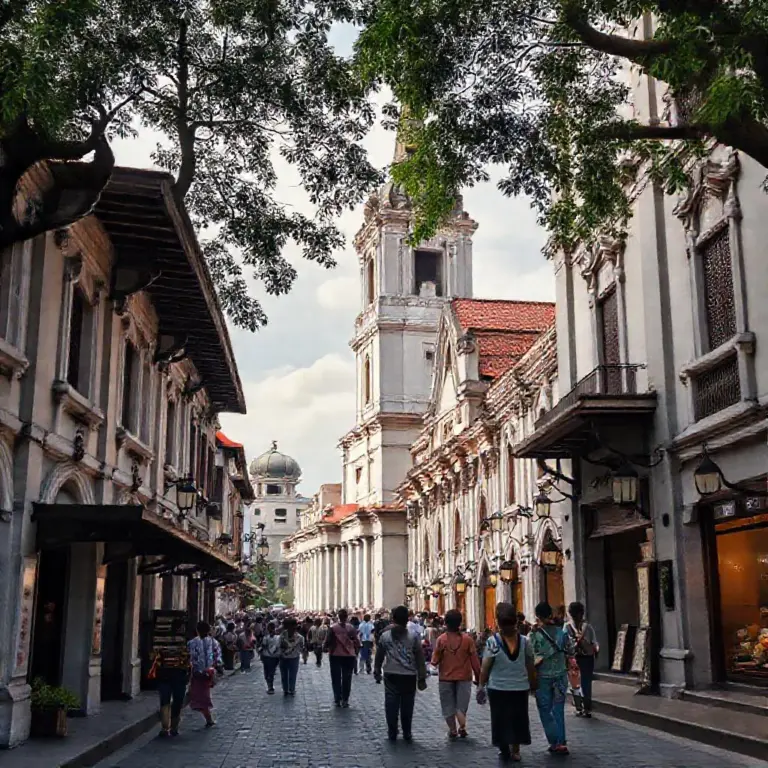
Kota Tua, meaning ‘Old Town,’ is the historic district that was once the administrative center of the Dutch East India Company (VOC), known then as Batavia. Walking through its cobblestone streets feels like stepping onto a meticulously preserved movie set, albeit one filled with bustling modern life. Its significance to Indonesian history cannot be overstated; it is the crucible where colonial power met local resistance.
Architecture That Tells a Story
The architecture here is a fascinating blend of European Baroque, traditional Javanese design, and Chinese influences. Key structures to look for include:
- Fatahillah Square (Taman Fatahillah): The central hub, once the site of public executions and official ceremonies. Today, it’s a lively space where you can rent colorful bicycles and soak in the atmosphere.
- The Old City Hall (Museum Sejarah Jakarta): A stunning example of Dutch classical architecture.
- Wayang Museum: Dedicated to the art of traditional Indonesian puppetry, a UNESCO Intangible Cultural Heritage.
Diving Deep: Jakarta’s National Museums Cluster
While Kota Tua offers the colonial setting, the adjacent National Museum complex provides the comprehensive narrative of the entire archipelago. Answering Why Visit Kota Tua and Jakarta’s National Museums often boils down to seeking context for the physical history seen in the town square.
The National Museum of Indonesia (Museum Nasional)
Often called the Elephant Museum due to the statue gifted by King Chulalongkorn of Siam in 1874, this institution is the premier repository of Indonesian history, ethnography, and archaeology. Its collections are vast, showcasing artifacts from prehistoric times through the Hindu-Buddhist kingdoms and up to independence.
Must-See Collections at Museum Nasional:
- Prehistoric Section: Featuring findings like the famous Java Man skull casts.
- Archaeological Gallery: Home to exquisite Hindu-Buddhist bronzes and stone carvings.
- Ethnographic Halls: Displaying traditional textiles (batik, ikat), ceremonial weapons, and traditional house models from across the 17,000 islands.
The sheer breadth of material here demonstrates the complexity and cultural depth of the nation, making it an essential stop for understanding modern Indonesia.
The Museum of Fine Arts and Ceramics
Located nearby in the former Dutch colonial administrative buildings, this museum highlights Indonesian artistic expression. It features contemporary Indonesian paintings alongside a world-class collection of ceramics spanning centuries, including significant pieces from the Majapahit era and imported Chinese trade wares.
This contrast between the political history of the City Hall and the artistic expression in the Fine Arts Museum provides a holistic view of the nation’s soul.
Experiencing Culture: Beyond the Walls
Visiting these sites is not just about passive observation; it is an active cultural immersion. The atmosphere surrounding Kota Tua is vibrant, offering numerous opportunities for authentic interaction. From street vendors selling traditional snacks to local artists sketching portraits, the area buzzes with life.
A Glimpse into Jakarta’s Transformation
The journey from Batavia to Jakarta is a powerful narrative. You see the physical imposition of colonial rule in the square’s layout, and then you see the nation’s response and assertion of identity within the National Museum’s halls. For tourists focused on Indonesia Tourism, this juxtaposition is profoundly educational. It helps contextualize the modern Indonesian spirit.
To truly appreciate the historical weight of this area, we recommend watching a short overview of the region’s transformation:
Practicalities and What to Expect
To maximize your experience when you visit Kota Tua and Jakarta’s National Museums, preparation is key. Here is a quick guide on logistics:
| Aspect | Kota Tua / Museums | Notes |
|---|---|---|
| Hours | Generally 9:00 AM – 4:00 PM (Check specific museum sites) | Mondays are often closed for maintenance. |
| Entry Fee | Nominal fees apply; often lower for domestic tourists. | Foreigner rates are standard. |
| Transport | TransJakarta Busway, Taxi, or specialized tourist train. | The area can be congested; avoid peak traffic hours. |
| Accessibility | Fatahillah Square is largely accessible, but older museum buildings may have limited access. | Wear comfortable walking shoes! |
The Atmosphere: Heat, Crowds, and Charm
Be prepared for the tropical climate—it will be hot and humid. The area is popular, especially on weekends, bringing street performers, vendors, and large crowds. While this adds to the vibrancy, it also means keeping a close eye on your belongings. Embrace the hustle; it is part of the authentic Jakarta experience.
Conclusion: A Journey Through Time
To truly grasp the resilience, diversity, and historical journey of Indonesia, a visit to the colonial vestiges of Kota Tua and the comprehensive narrative housed within the National Museums is indispensable. They serve as vital anchors, connecting the distant past to the dynamic present of this sprawling metropolis. The answer to Why Visit Kota Tua and Jakarta’s National Museums is simple: for an unparalleled, unfiltered education in Indonesian heritage.
คำถามที่พบบ่อย (FAQ)
References
For further reading on the historical context of Jakarta’s development:
- Jakarta’s Historic Sites: A Tour of Kota Tua and National Museums — Complete Visitor Guide and Walking Itinerary
- Planning Your Visit: Best Times, Entry Fees, Transportation, and Accessibility Tips for Kota Tua and Museums
- Top Sights in Kota Tua and Nearby Museums: Fatahillah Square, Wayang Museum, Maritime Museum, and National Museum Highlights