Avoiding Tourist Scams in Bali and Jakarta: Essential Tips to Stay Safe, Save Money, and Enjoy Your Trip
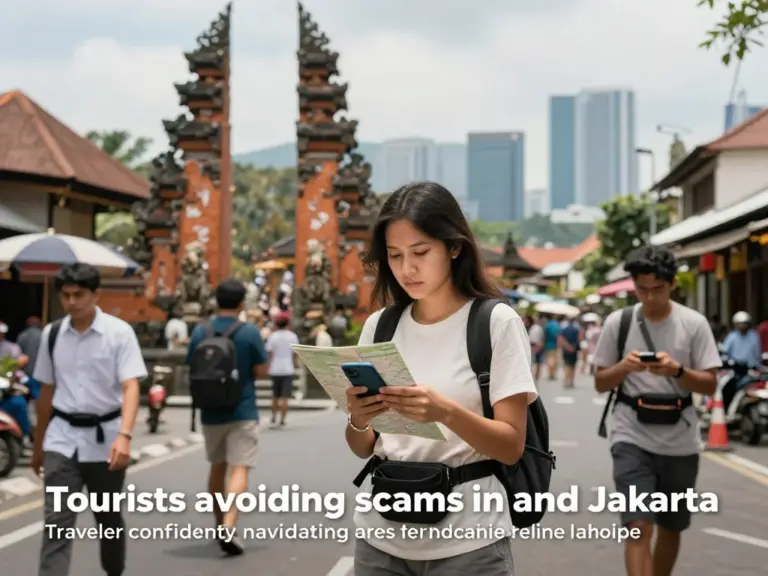
Indonesia is a breathtaking archipelago that offers everything from the vibrant urban energy of Jakarta to the serene tropical landscapes of Bali. However, like any major global destination, travelers may occasionally encounter tourist scams in Bali and Jakarta. Navigating these challenges requires a bit of local knowledge and a healthy dose of skepticism. By understanding common tactics used by scammers, you can ensure your Indonesian adventure remains memorable for all the right reasons.
Common Transportation Scams: The Blue Bird Rule
One of the most frequent tourist scams in Bali and Jakarta involves unregulated taxis. In Jakarta, specifically, “rogue” drivers may refuse to use the meter or take unnecessarily long routes to inflate the fare. In Bali, transport cartels in certain areas may prevent ride-sharing apps like Grab or Gojek from picking up passengers, forcing you into expensive private transfers.
To avoid this, always look for Blue Bird Taxis. They are widely recognized as the most reliable metered taxi service in Indonesia. Alternatively, use reputable apps like Grab or Gojek, which provide transparent pricing and GPS tracking. If you must use a private driver, agree on the total price before even opening the car door.
Money Changer Fraud: The Hand is Quicker Than the Eye
In Bali, particularly in Kuta and Seminyak, unauthorized money changers often advertise exchange rates that are significantly higher than the official bank rate. This is a red flag. These scammers use “sleight of hand” techniques, dropping notes behind the counter or miscounting the cash right in front of you.
- Only use authorized money changers with a ‘No Commission’ sign and a professional office.
- Count your money twice before leaving the window.
- Use ATMs located inside bank branches to avoid card skimming.
The “Free” Tour Guide and Temple Scams
When visiting iconic spots like Pura Besakih in Bali or the Old Town (Kota Tua) in Jakarta, you might be approached by individuals claiming to be official guides or temple staff. They may insist that certain areas are “closed for ceremony” unless you hire them, or demand exorbitant fees for “mandatory” sarong rentals.
To stay safe, research the entry fees in advance. Most temples have a clear ticketing booth. If someone approaches you aggressively, a polite but firm “No, thank you” (or “Tidak, terima kasih” in Indonesian) is usually enough to deter them. Bringing your own sarong to Balinese temples is also a great way to save money and avoid rental markups.
| Scam Type | Common Location | Prevention Strategy |
|---|---|---|
| Rigged Taxi Meters | Jakarta / Bali Airports | Use Blue Bird or Grab/Gojek apps. |
| Money Changer Theft | Kuta / Seminyak | Use official banks or authorized kiosks. |
| Fake Temple Guides | Besakih / Lempuyang | Check official entry prices at the gate. |
| Spiked Drinks | Nightclubs | Never leave your drink unattended. |
Digital Safety and Wi-Fi Risks
In the digital age, tourist scams in Bali and Jakarta have moved online. Public Wi-Fi in cafes and hotels can sometimes be compromised. Hackers may set up “Free Guest Wi-Fi” hotspots to intercept your personal data or banking information. Always use a VPN (Virtual Private Network) when connecting to public networks in Indonesia to encrypt your data and maintain your privacy.