Common Scams Targeting Tourists in Bali and Jakarta: How They Work and Red Flags to Watch For
Indonesia is a breathtaking archipelago known for its vibrant culture, stunning landscapes, and warm hospitality. However, like any popular global destination, travelers can occasionally fall prey to opportunistic schemes. Understanding the Common Scams Targeting Tourists in Bali and Jakarta is essential for ensuring your tropical getaway remains memorable for all the right reasons. From the bustling streets of Jakarta to the serene beaches of Bali, being aware of how these scams work and the red flags to watch for is your best defense.
The Infamous ‘Broken’ Taxi Meter
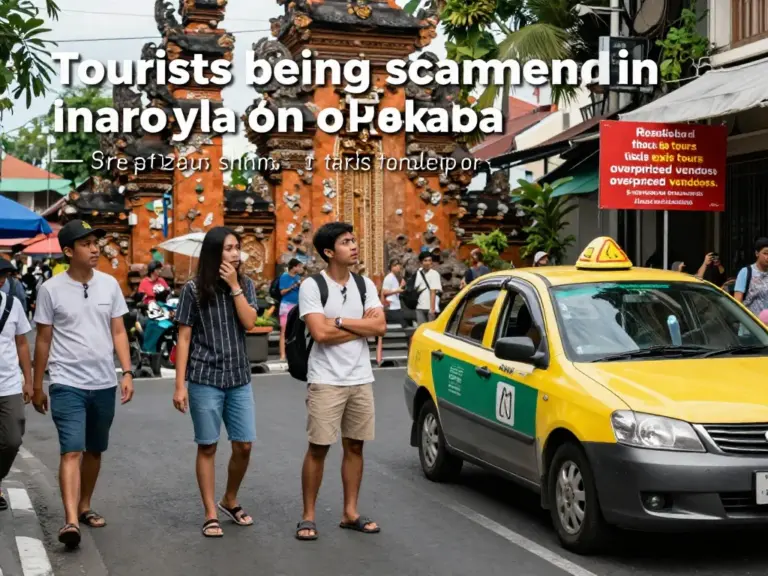
One of the most frequent issues encountered in both Jakarta and Bali involves transportation. Unscrupulous drivers may claim their meter is broken or simply refuse to turn it on, later demanding an exorbitant flat fee. This is particularly common at airports or outside major nightlife hubs. To avoid this, always insist on using the meter before the car moves. In Indonesia, the Blue Bird Group is widely recognized for its reliability and honest use of meters.
Currency Exchange Sleight of Hand in Bali
In Bali, unauthorized money changers often lure tourists with ‘No Commission’ signs and exchange rates that seem too good to be true. During the transaction, the teller may use fast-fingered techniques to drop bills behind the counter or miscount the stack. Always count your money yourself before leaving the window and stick to reputable, authorized money changers that have clear CCTV and official certification.
The ‘Spiked’ Arak and Alcohol Safety
While not a scam in the traditional sense, the sale of adulterated alcohol (methanol poisoning) is a serious risk. Cheap local spirits, particularly ‘Arak,’ are sometimes mixed with harmful chemicals to increase potency or volume. Red flags include extremely low prices for cocktails or spirits served in unbranded bottles. Stick to reputable bars and hotels, and if a drink tastes ‘off,’ stop drinking it immediately.
The Motorbike Rental Trap
Renting a scooter is the quintessential Bali experience, but it comes with risks. A common scam involves the rental owner claiming you caused pre-existing damage to the bike upon its return, demanding high repair costs. To protect yourself, always take detailed photos and videos of the bike from all angles in front of the owner before you drive away. Ensure you have an International Driving Permit (IDP), as police often conduct ‘checks’ that result in immediate fines for tourists without proper documentation.
| Scam Type | Primary Location | Red Flag |
|---|---|---|
| Taxi Overcharging | Jakarta & Bali | Refusal to use the meter. |
| Money Changing | Bali (Kuta/Seminyak) | Rates significantly higher than market average. |
| ATM Skimming | Tourist Hubs | Loose card slots or hidden cameras. |
ATM Skimming and Digital Theft
ATM skimming remains a sophisticated threat in high-traffic tourist areas. Criminals install small devices over the card slot to capture your data. Always use ATMs located inside bank branches or well-lit, guarded shopping malls. Cover your hand when entering your PIN, and regularly check your banking app for unauthorized transactions.
คำถามที่พบบ่อย (FAQ)
คำถามที่พบบ่อย (FAQ)
- How can I identify a legitimate taxi in Jakarta?
Look for the Blue Bird Group (light blue cars). They are the most trusted company and always use a meter. Avoid unmarked cars or drivers who approach you inside the terminal. - What should I do if a money changer miscounts my cash?
Immediately point it out and recount the money in front of them. If they become aggressive or refuse to correct it, take your original currency back and leave. Never let them put the money in an envelope for you. - Is it safe to rent a scooter in Bali?
It is safe if you are an experienced rider and have the correct license. Always document the bike’s condition first and wear a helmet to avoid being targeted for police fines. - What is the most common red flag for a scam?
Any offer that seems ‘too good to be true’—whether it’s an exchange rate, a free tour, or a very cheap luxury item—is usually a red flag. Trust your intuition.