What to Do If You’re Scammed: Reporting, Getting Help, and Recovering Losses in Indonesia
- What to Do If You’re Scammed: Reporting, Getting Help, and Recovering Losses in Indonesia
Indonesia is a breathtaking archipelago known for its hospitality, but like any major global tourism destination, it is not immune to fraudulent activities. Whether it is a sophisticated digital fraud, a currency exchange trick, or a rental scam, knowing what to do if you’re scammed is crucial for your peace of mind and financial recovery. This guide provides a comprehensive roadmap for travelers and expats to navigate the Indonesian legal and financial systems after a fraudulent encounter.
Immediate Steps: What to Do If You’re Scammed
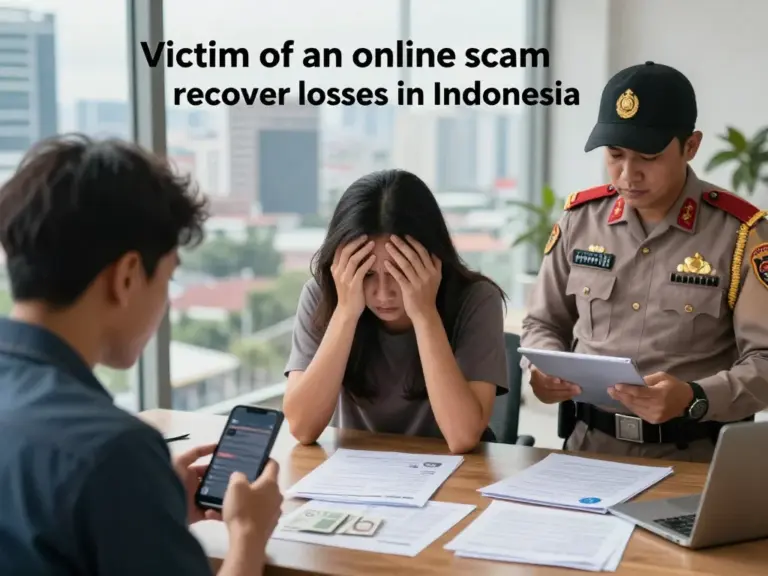
The first few hours after realizing you have been targeted are critical. Your priority should be to contain the damage and secure your remaining assets. If the scam involved your credit card or bank account, contact your financial institution immediately via their emergency hotline to freeze your accounts. This prevents the scammers from draining further funds. If the scam happened in person, such as at a ‘Money Changer,’ do not attempt to confront the perpetrators alone if you feel unsafe. Instead, move to a secure location and document every detail you can remember: the location, physical descriptions of the individuals, and the specific sequence of events.
Reporting Scams to the Indonesian Authorities
To officially document the crime, you must visit a local police station (Kantor Polisi). In Indonesia, there are different levels of police stations, but for most tourist-related scams, a Polsek (Sub-district level) or Polres (District level) is the appropriate starting point. If you are in a major tourist hub like Bali, look for the ‘Tourist Police’ (Polisi Pariwisata) units, which are specifically trained to assist foreigners and often have better English proficiency.
The Police Report (Surat Tanda Penerimaan Laporan)
When you file a report, you will receive a Surat Tanda Penerimaan Laporan (STPL). This document is essential for several reasons: it serves as proof for your travel insurance claim and is often required by banks to process chargebacks. Be prepared to provide your passport, visa details, and all documented evidence. If you do not speak Indonesian (Bahasa Indonesia), it is highly recommended to bring a trusted local friend or hire a legal translator to ensure your statement is recorded accurately.
Recovering Financial Losses
Recovering money lost to scams in Indonesia can be challenging, but it is not impossible. The method of recovery depends largely on how the payment was made.
- Credit Card/Debit Card: Contact your bank to initiate a ‘Chargeback.’ Provide the police report and evidence that the service/product was fraudulent.
- Bank Transfers: If you transferred money to an Indonesian bank account, you can report the account to the receiving bank. Under Indonesian banking regulations, banks can sometimes freeze accounts suspected of fraudulent activity if a formal police report is provided.
- Digital Wallets (OVO, GoPay, Dana): Report the transaction directly within the app’s help center. These platforms have dedicated anti-fraud teams that can investigate the recipient’s identity.
Seeking Legal and Consular Assistance
If the scam involves significant financial loss (e.g., property or investment scams), you should seek professional legal counsel. An Indonesian lawyer can help navigate the complexities of the Kitab Undang-Undang Hukum Pidana (KUHP) or Criminal Code. Furthermore, notify your home country’s embassy or consulate. While they cannot act as your legal representative or pay your debts, they can provide a list of local lawyers, assist in contacting family, and ensure you are treated fairly by local authorities.
Common Scams in Indonesia to Avoid
Prevention is always better than cure. Being aware of common tactics helps you stay safe:
- The Currency Exchange Trick: Unlicensed booths offering ‘too good to be true’ rates often use sleight of hand to shortchange you.
- The Rental Scam: Fraudulent villas listed on social media that don’t exist or aren’t owned by the ‘sender.’ Always use reputable booking platforms.
- The ‘ATM Skimming’ Scam: Especially in remote areas, always check for loose parts on the card reader.
คำถามที่พบบ่อย (FAQ)
Below are some of the most common questions regarding what to do if you’re scammed in Indonesia.
คำถามที่พบบ่อย (FAQ)
Can the Indonesian police help me get my money back?
The police primarily handle the criminal investigation. While they can arrest the perpetrator, recovering money often requires a separate civil lawsuit or a bank chargeback based on the police report.
What is the emergency number for the police in Indonesia?
The general emergency number for police in Indonesia is 110. For tourists, specialized Tourist Police units are available in areas like Bali and Jakarta.
Is it worth reporting a small scam?
Yes. Even if the amount is small, reporting it helps authorities track patterns and prevents others from falling victim to the same individual or group.
Can I report a scam online in Indonesia?
You can report fraudulent bank accounts via CekRekening.id and cybercrimes via the Patrolisiber.id portal managed by the Indonesian National Police.
References
- Indonesian National Police (Polri) Official Website
- CekRekening – Official Fraudulent Account Reporting
- Wonderful Indonesia – Essential Travel Information