Permits, Regulations, and How to Book: Park Fees, Ranger Requirements, and Sustainable Tourism Practices
- Permits, Regulations, and How to Book: Park Fees, Ranger Requirements, and Sustainable Tourism Practices
Exploring the breathtaking landscapes of Indonesia, from the volcanic peaks of Mount Rinjani to the underwater wonders of Raja Ampat, requires more than just a backpack and a sense of adventure. Navigating the legal landscape of Permits, Regulations, and How to Book is essential for any responsible traveler. As Indonesia continues to prioritize conservation, understanding park fees and ranger requirements ensures that your visit supports local communities and protects fragile ecosystems for future generations.
Understanding National Park Permits and Regulations
Indonesia’s Ministry of Environment and Forestry (KLHK) manages numerous national parks, each with its own set of specific entry requirements. The primary document needed for most protected areas is the SIMAKSI (Surat Izin Masuk Kawasan Konservasi). This permit is not just a ticket; it is a regulatory tool used to monitor the number of visitors and ensure safety. For popular destinations like Komodo National Park or Mount Bromo, permits should ideally be secured well in advance, especially during the peak dry season from July to September.
Park Fees and Financial Contributions
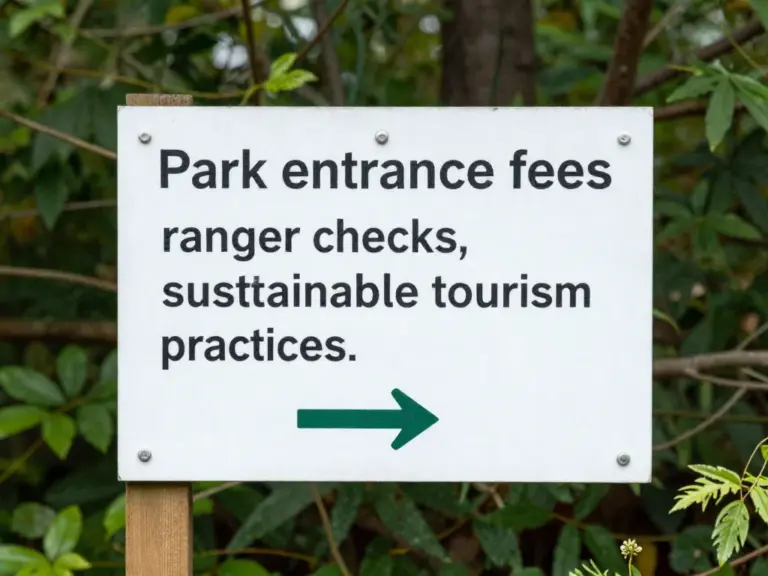
Park fees in Indonesia are typically divided into two tiers: domestic and international. These fees are vital for the upkeep of trails, waste management, and the salaries of conservation officers. When considering Permits, Regulations, and How to Book, you must account for these costs in your budget. Fees can range from 150,000 IDR to over 500,000 IDR for specialized activities like diving or filming. Many parks have now transitioned to online payment systems to increase transparency and reduce corruption at entry points.
| Park Name | Estimated International Fee | Key Activity |
|---|---|---|
| Komodo National Park | 250,000 – 500,000 IDR | Wildlife Spotting & Diving |
| Mount Rinjani | 150,000 IDR / day | Trekking |
| Tanjung Puting | 200,000 – 250,000 IDR | Orangutan Tours |
The Role of Local Rangers and Guides
In many Indonesian national parks, hiring a certified local ranger or guide is not just recommended—it is a mandatory requirement. Rangers serve as the first line of defense for biodiversity and provide essential safety navigation in rugged terrains. For instance, trekking in Gunung Leuser to see Sumatran Orangutans requires a guide to ensure that human-wildlife interaction is minimized and that visitors do not wander into dangerous areas. These requirements also ensure that tourism revenue directly benefits the local economy, providing an alternative to extractive industries like logging.
Sustainable Tourism Practices in Indonesia
Sustainable tourism is at the heart of Indonesia’s long-term travel strategy. Beyond following the rules of Permits, Regulations, and How to Book, travelers are encouraged to adopt the ‘Leave No Trace’ principles. This includes carrying out all trash, avoiding the use of single-use plastics, and respecting local customs. In areas like Bali and Lombok, water scarcity is a real issue; being mindful of your consumption is a form of respect toward the local population. By choosing eco-certified tour operators, you contribute to a system that values the environment as much as the experience.
How to Book Your Park Adventure
Booking procedures vary by province. For major parks like Bromo Tengger Semeru or Rinjani, booking is done through official government websites or dedicated mobile apps (e.g., the ‘e-Rinjani’ app). For more remote areas, it is often best to coordinate through a reputable local trekking agency that can handle the SIMAKSI paperwork on your behalf. Ensure you provide your details at least 2-4 weeks in advance for high-demand spots. Always verify the current status of the park, as volcanic activity or seasonal closures (for ecosystem recovery) can affect availability.
คำถามที่พบบ่อย (FAQ)
Do I need a permit for every national park in Indonesia?
Yes, almost all national parks in Indonesia require an official permit (SIMAKSI) and the payment of an entry fee. Some require online pre-registration, while others allow on-site purchase.
Why are international park fees higher than domestic fees?
The tiered pricing system is designed to make national heritage accessible to Indonesian citizens while generating necessary conservation revenue from international tourism to maintain the infrastructure and biodiversity.
Can I hike without a guide to save money?
In many major parks like Rinjani, Komodo, and Way Kambas, guides are mandatory for safety and conservation reasons. Attempting to hike without one can lead to fines or being escorted out of the park.
How can I ensure my visit is sustainable?
Follow all park regulations, use biodegradable products, avoid touching wildlife, and hire local guides. Supporting local businesses ensures that conservation remains economically viable for the community.
What happens if a park is closed due to weather?
Parks like Rinjani often close during the rainy season (January to March) for safety and trail recovery. Always check the official KLHK website or your tour operator for real-time updates before traveling.
References
- Ministry of Environment and Forestry (KLHK) Indonesia
- Wonderful Indonesia Official Tourism Portal
- Mount Rinjani National Park Authority
- Multi-Day Kayaking in Komodo National Park: Complete Routes, Permits, and Planning Tips
- Why Choose a Multi-Day Kayak Trip in Komodo? Benefits, Best Seasons, and Safety Considerations
- Top Multi-Day Kayaking Routes: Detailed Itineraries, Daily Distances, and Highlights (Padar, Rinca, Kelor, Pink Beach)