Top mangrove and wetland birding sites within easy reach of Jakarta: habitats, target species, and best seasons
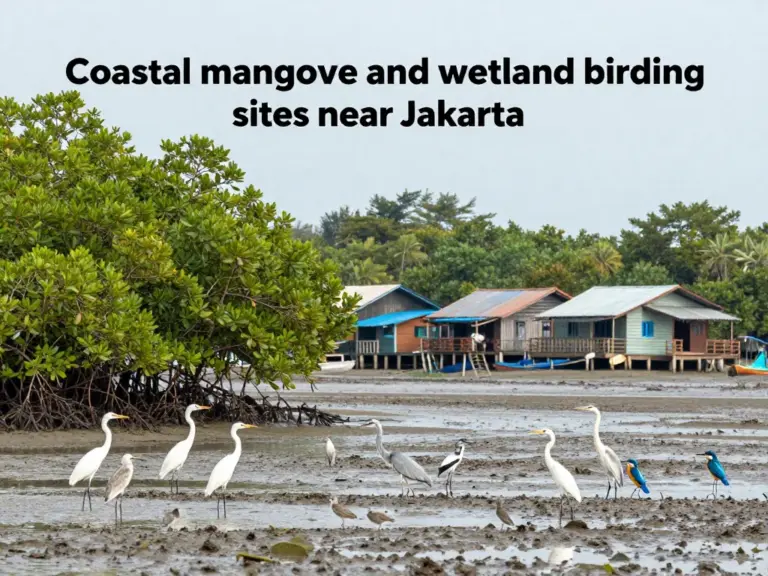
Jakarta, the sprawling metropolitan capital of Indonesia, is often characterized by its towering skyscrapers and heavy traffic. However, for the keen observer, the city’s coastal fringes offer a different world entirely. The Top mangrove and wetland birding sites within easy reach of Jakarta provide a vital sanctuary for both resident species and weary migrants traveling along the East Asian-Australasian Flyway. These ecosystems are not just environmental buffers against the sea; they are biodiversity hotspots where rare storks, colorful kingfishers, and elusive waders thrive amidst the urban backdrop.
Muara Angke Wildlife Sanctuary: The Urban Oasis
Muara Angke is perhaps the most iconic of the Top mangrove and wetland birding sites within easy reach of Jakarta. Despite being the smallest wildlife sanctuary in Indonesia, its 25 hectares of mangrove and freshwater swamp are incredibly productive. The sanctuary is managed by the Natural Resources Conservation Center (BKSDA) and serves as a critical refuge for the endangered Milky Stork. Walking along the wooden boardwalks, birders can witness the delicate balance between nature and urban encroachment.
| Habitat Type | Key Species | Accessibility |
|---|---|---|
| Mangrove & Freshwater Swamp | Milky Stork, Sunda Teal, Black-crowned Night Heron | Moderate (requires permit) |
Pantai Indah Kapuk (PIK) Mangrove Parks
Adjacent to Muara Angke lies the more accessible Taman Wisata Alam (TWA) Angke Kapuk. This eco-tourism park is one of the most popular Top mangrove and wetland birding sites within easy reach of Jakarta for casual enthusiasts. The well-maintained trails and boat rentals allow for excellent views of the canopy. Here, the focus is on mangrove rehabilitation, which has successfully attracted various kingfishers and raptors. It is an ideal spot for those who want to combine birding with a comfortable outdoor experience.
Pulau Rambut: The Kingdom of Birds
Located just off the coast of Jakarta in the Thousand Islands (Kepulauan Seribu) Regency, Pulau Rambut is a strictly protected bird sanctuary. Reachable via a 30-minute boat ride from Muara Karang or Marina Ancol, this island is a massive nesting ground. During the peak season, the trees are literally white with thousands of nesting herons and egrets. As one of the premier Top mangrove and wetland birding sites within easy reach of Jakarta, Pulau Rambut offers a glimpse into what the North Jakarta coastline looked like centuries ago.
Best Seasons for Birding
Timing is everything when visiting the Top mangrove and wetland birding sites within easy reach of Jakarta. The birding year in Jakarta is divided into two main periods: the breeding season and the migratory season.
- Migratory Season (September to March): This is the peak time for diversity. Thousands of shorebirds from the northern hemisphere arrive in the Jakarta wetlands to escape the winter. You can spot various sandpipers, plovers, and godwits.
- Breeding Season (April to August): This is the best time to see resident birds like the Milky Stork and various Herons in their full breeding plumage, actively building nests and feeding chicks.
Essential Gear and Preparation
To make the most of your trip to the Top mangrove and wetland birding sites within easy reach of Jakarta, preparation is key. The coastal environment is humid and often infested with mosquitoes.
- Optics: A pair of 8×42 or 10×42 binoculars is essential. A spotting scope is highly recommended for the open wetlands of Muara Angke.
- Clothing: Lightweight, breathable clothing in neutral colors (olive, brown, or tan) helps you blend into the environment.
- Protection: High-SPF sunscreen and insect repellent are non-negotiable.
- Permits: Some areas, like the core zone of Muara Angke, require a SIMAKSI (entry permit) from the BKSDA Jakarta office.
คำถามที่พ่อยบ่อย (FAQ)
Q1: Do I need a guide to visit these birding sites?
While you can explore PIK Mangrove Park on your own, having a local birding guide for Muara Angke or Pulau Rambut is highly recommended to help identify cryptic species and navigate permit requirements.
Q2: Is birdwatching in Jakarta safe for solo travelers?
Yes, the designated parks and sanctuaries are generally safe. However, always stick to the marked trails and be mindful of your belongings in crowded transit areas.
Q3: Can I see the Milky Stork year-round?
Yes, the Milky Stork is a resident species in Jakarta’s mangroves, particularly in Muara Angke, though they are more active and visible during the breeding months.
Q4: How do I get to Pulau Rambut?
You can rent a traditional wooden boat from Muara Karang or a speed boat from Marina Ancol. Ensure you arrange your return trip with the boatman beforehand.
References
- BirdLife International – Conservation of Global Bird Populations
- Official Indonesia Tourism Portal
- BKSDA Jakarta – Wildlife Conservation Authority
- Mangrove and Wetland Tours Near Jakarta: Best Quiet Birding Spots, What to Expect, and How to Plan Your Trip
- Why choose mangrove and wetland tours near Jakarta? Understanding birding without the crowds and who these tours are for
- What to expect on a guided tour: typical itineraries, required gear, accessibility, and wildlife-watching tips