Aceh Dress Code Guide for Tourists: What to Wear and What to Avoid
Aceh is a province unlike any other in Indonesia. Known as the ‘Veranda of Mecca,’ it is the only province in the country that implements Sharia law. For travelers, this unique cultural landscape offers profound insights into Indonesian history and spirituality. However, it also means that visitors must be mindful of local norms, particularly regarding attire. This comprehensive Aceh dress code guide for tourists is designed to help you navigate your trip with respect, comfort, and cultural awareness.
Understanding the Cultural Context of Aceh
To appreciate the importance of the Aceh dress code, one must understand the region’s deep connection to Islamic tradition. Unlike the more tourist-centric areas of Bali or Jakarta, Aceh maintains a conservative social fabric. The local population takes immense pride in their identity, and dressing appropriately is seen as a sign of respect for their values. By following these guidelines, you are not just ‘covering up’; you are showing that you are a culturally intelligent traveler who values the community you are visiting.
What to Wear: A Practical Guide
The tropical heat in Aceh can be intense, so the challenge is finding a balance between modesty and breathability. Here are some recommendations to keep you comfortable while remaining respectful:
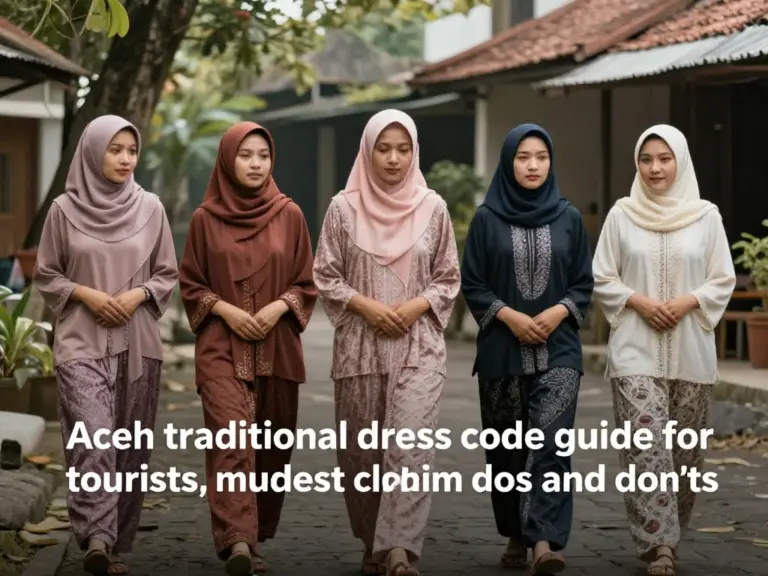
- For Women: Opt for loose-fitting tunics that cover the hips, combined with loose trousers or long skirts. Linen and cotton are your best friends in this humidity. While you are not required to wear a headscarf (hijab) as a non-Muslim tourist, carrying a light shawl in your bag is a smart idea. It can be quickly draped over your shoulders or head if you decide to visit a mosque or a more conservative village.
- For Men: Long trousers are highly recommended. While t-shirts are acceptable, ensure they are modest and not overly tight. If you are planning to attend formal events, a collared shirt or a traditional batik shirt is highly appreciated.
What to Avoid: Common Mistakes
Avoiding specific clothing items will help you blend in and avoid unwanted attention. When packing for Aceh, leave the following items at home or inside your hotel room:
| Avoid | Why? |
|---|---|
| Short-shorts and mini skirts | Considered disrespectful and inappropriate in public spaces. |
| Sleeveless tops or tank tops | Shoulders should ideally be covered to align with local modesty standards. |
| Tight or form-fitting activewear | Avoid wearing leggings or tight yoga pants in public areas. |
Visiting Religious Sites
The Baiturrahman Grand Mosque is the iconic heart of Aceh. When visiting any mosque, the rules are stricter. Both men and women should ensure their legs and arms are covered. Women will be expected to cover their hair. Often, mosques will provide sarongs or robes for tourists at the entrance, but it is always better to come prepared with your own modest attire. Always remember to remove your shoes before entering the prayer hall.
Frequently Asked Questions (FAQ)
We understand that traveling to a Sharia-compliant region can raise questions. Here are the answers to the most common queries regarding the Aceh dress code guide for tourists.
คำถามที่พบบ่อย (FAQ)
- Do non-Muslim women have to wear a headscarf in public?
No, non-Muslim women are not legally required to wear a headscarf in public spaces in Aceh. However, it is polite to carry one and wear it when visiting mosques or rural, traditional villages. - Can I wear swimwear at the beach in Aceh?
While Aceh has beautiful beaches like Lampuuk, it is best to avoid wearing standard bikinis on public beaches. Opt for a modest swimsuit or a t-shirt and shorts over your swimwear. - Is it strictly enforced for tourists?
Sharia police (Wilayatul Hisbah) are present, and while they primarily focus on local residents, they can and do advise tourists if they are dressed inappropriately. It is best to err on the side of caution to avoid awkward situations. - What if I accidentally dress inappropriately?
If you realize you are dressed inappropriately, don’t panic. Simply cover up with a sarong or a light jacket. Locals are generally forgiving to tourists who show an honest effort to respect their culture.