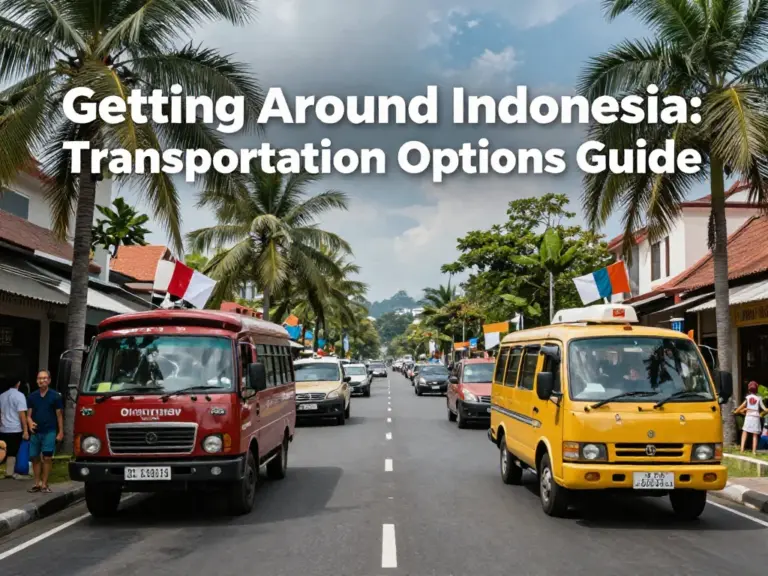
Getting Around Indonesia: The Ultimate Guide to Transportation Options for Every Traveler
Planning a trip to the world’s largest archipelago can feel daunting, but understanding the logistics is half the adventure. Getting Around Indonesia requires a mix of patience, planning, and a spirit of flexibility. Whether you are navigating the bustling streets of Jakarta, hopping between the islands of Nusa Tenggara, or taking the scenic route through the terraced rice fields of Bali, having the right transportation strategy is essential. This guide covers everything you need to know to navigate this diverse nation with ease.
Understanding the Geography and Transportation Landscape
Indonesia spans over 17,000 islands, making it a unique logistical challenge. Unlike mainland countries where buses or trains are the default, Indonesian travel often necessitates a multi-modal approach. Flights are the backbone of inter-island travel, while private drivers, ride-hailing apps, and local ferries fill the gaps for short-distance exploration. Understanding which mode of transport suits your itinerary is key to maximizing your precious vacation time.
Air Travel: The Most Efficient Way to Hop Islands
For long distances, such as traveling from Java to Sulawesi or Bali to Komodo, domestic flights are your best friend. Major airlines like Garuda Indonesia, Lion Air, and Citilink connect the major hubs efficiently. Budget airlines offer incredibly competitive pricing, but be mindful of baggage allowances, which are often strictly enforced. Booking in advance via local travel portals is recommended to secure the best rates.
Land Transportation: Trains, Buses, and Ride-Hailing
On large islands like Java, the rail network is a fantastic, comfortable, and scenic way to travel. The executive class trains offer air-conditioned carriages and ample legroom, making the journey across the island a highlight rather than a chore. For shorter hops or areas without rail access, bus networks are extensive. However, for urban navigation, ride-hailing apps like Gojek or Grab have revolutionized how tourists get around. These apps allow you to book cars or motorbike taxis (ojeks) at transparent, fixed prices, eliminating the need for awkward haggling.
Traffic in major cities like Jakarta and Denpasar can be intense. Motorbike taxis are often the fastest way to weave through congestion. If you are uncomfortable on a bike, always opt for a four-wheeled ride through your preferred app for safety and comfort.
Sea Travel: Ferries and Speedboats
Island hopping is synonymous with Indonesia. Public ferries (Pelni) are the budget-friendly, albeit slow, way to cover vast distances between major ports. For popular tourist routes—like Bali to the Gili Islands or Nusa Penida—fast boats are the standard. These are more expensive but save significant time. Always check the weather forecast, as rough seas can occasionally disrupt ferry schedules.
| Mode of Transport | Best For | Pros |
|---|---|---|
| Flight | Long distances | Fast, reliable |
| Train | Java travel | Scenic, comfortable |
| Ride-Hailing | City travel | Cheap, convenient |
| Fast Boat | Island hopping | Direct, time-saving |
คำถามที่พบบ่อย (FAQ)
1. Is it safe to use motorbike taxis in Indonesia?
Yes, using ride-hailing apps like Gojek or Grab for motorbike taxis is generally safe. The drivers are professional, and the app provides tracking and insurance features. Always wear the provided helmet.
2. Do I need to book trains in advance?
Yes, especially for executive class seats on popular routes in Java. Booking a few weeks in advance ensures availability and better seat selection.
3. Are ride-hailing apps available everywhere?
While available in most major cities and tourist hubs like Bali, they may be less accessible in very remote, rural areas. In such cases, hiring a local private driver is the best option.