How to Eat, Get Around, and Save Money in Indonesia Without Sacrificing the Experience
Indonesia is a breathtaking archipelago of over 17,000 islands, offering everything from misty volcanic peaks to pristine turquoise beaches. Many travelers worry that exploring this massive country requires a fortune, but that is simply not true. You can absolutely enjoy a premium vacation while maintaining a modest budget. Learning How to Eat, Get Around, and Save Money in Indonesia Without Sacrificing the Experience is the key to unlocking an authentic adventure that feels luxurious without the hefty price tag.
Mastering Local Cuisine on a Budget
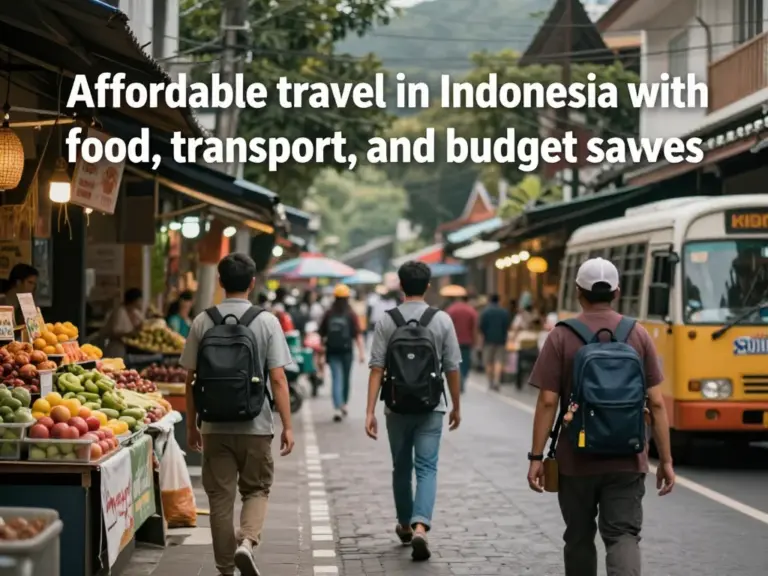
One of the most profound joys of Indonesia is its food. You do not need expensive fine-dining restaurants to experience the explosion of flavors that define Indonesian cuisine. In fact, the best meals are often found at a Warung—a small, family-owned restaurant or food stall.
- Eat at Warungs: Look for stalls crowded with locals. If the turnover is high, the food is fresh and delicious. Dishes like Nasi Goreng (fried rice) or Gado-Gado (vegetable salad with peanut sauce) usually cost less than $2 USD.
- Street Food Markets: Night markets are cultural hotspots. They offer endless varieties of satay, grilled corn, and sweet treats at a fraction of the cost of hotel buffets.
- Hydration Hacks: Bottled water adds up. Carry a reusable bottle with a high-quality filtration system to save money and reduce plastic waste on the islands.
Transportation is often the largest expense for travelers. However, Indonesia offers a wide range of affordable transit options if you know where to look. Whether you are navigating the chaotic streets of Jakarta or hopping between the Gili Islands, efficiency is key.
| Mode of Transport | Best For | Cost-Effectiveness |
|---|---|---|
| Ride-hailing Apps (Gojek/Grab) | Short trips in cities | Very High |
| Public Ferries | Island Hopping | High |
| Trains (Java) | Long-distance travel | Medium |
For city travel, skip the overpriced taxis. Download apps like Gojek or Grab. They offer motorcycle taxis (Ojek) which are not only cheaper but also a fantastic way to weave through traffic and see the city from a local perspective.
Strategic Saving Without Sacrificing Comfort
Saving money doesn’t mean staying in uncomfortable conditions. Indonesian hospitality is world-class, and boutique guesthouses often provide a better experience than generic chain hotels. By booking homestays or locally-owned villas, you get personalized service and local insights that a massive resort simply cannot provide.
Consider the timing of your trip as well. The shoulder season—just before or after the peak monsoon months—offers lower accommodation rates and thinner crowds, allowing you to enjoy popular sites like Borobudur or the rice terraces of Ubud with much more breathing room.
คำถามที่พบบ่อย (FAQ)
Q: Is it safe to eat at street food stalls in Indonesia?
A: Generally, yes. The key is to choose stalls that are busy with local customers, ensuring high turnover and fresh ingredients.
Q: Which transportation app is best for tourists?
A: Both Gojek and Grab are widely used and highly reliable for booking rides, ordering food, and even courier services.
Q: How much should I budget per day?
A: A comfortable budget traveler can expect to spend between $30 and $50 USD per day, covering food, transport, and mid-range accommodation.