What Are the Megaliths of Sumba and Why Are They So Famous?
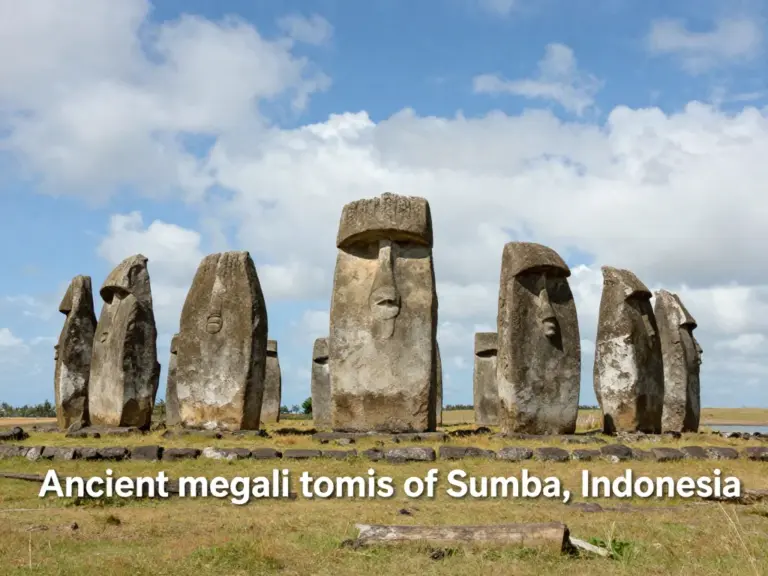
When travelers venture to the remote island of Sumba in eastern Indonesia, they are often greeted by more than just pristine beaches and wild horses. Scattered across the island’s undulating hills and traditional villages are the enigmatic Megaliths of Sumba. These massive stone structures are not merely rocks; they are the heart of a living culture that bridges the gap between the ancestral past and the present day. Understanding these monuments is key to appreciating the profound spirituality and social structure of the Sumbanese people.
The Ancient Significance of Sumba’s Megaliths
The Megaliths of Sumba are primarily burial monuments, serving as resting places for the nobility and ancestors of the Marapu religion—the indigenous faith of the island. Unlike in many other parts of the world where megaliths are remnants of a lost civilization, these stones are part of a continuous, living tradition. The practice of erecting these massive tombs involves complex rituals, community cooperation, and immense financial resources, signifying the status of the deceased and their family.
Why Are the Megaliths of Sumba So Famous?
The fame of these structures stems from their sheer scale and the architectural ingenuity required to move them without modern technology. Some of these stones weigh several tons and were transported by hundreds of people using wooden sleds and ropes, accompanied by elaborate chanting and ceremonial rites. This feat of engineering highlights the strength of communal bonds in Sumba.
Furthermore, the intricate carvings on the stones often depict animals like horses, crocodiles, and water buffalo, which hold deep symbolic meanings in local mythology. These carvings connect the living to the spirit world, ensuring that the legacy of the ancestors remains protected and honored for generations. It is this unique intersection of art, engineering, and spiritual belief that captures the imagination of historians and tourists alike.
Key Features of the Megalithic Graves
| Feature | Description |
|---|---|
| Dolmens | Large flat stones supported by smaller stones, often used as the main tomb lid. |
| Menhirs | Standing stones representing the connection between earth and sky, and the ancestors. |
| Carvings | Detailed reliefs of animals and ancestors representing status and spiritual protection. |
The Living Culture: Marapu and the Stones
To truly understand the Megaliths of Sumba, one must understand the concept of Marapu. This belief system emphasizes the harmonious relationship between the living and the dead. The stone graves are not viewed as cold, final resting places but as houses for the spirits. Rituals are frequently held at these sites to seek guidance or celebrate the passage of a soul into the afterlife. When visiting, it is crucial to respect these sites as sacred ground, as they remain active centers of religious life for the villagers.
Visiting Sumba: A Cultural Journey
Traveling to Sumba offers a rare glimpse into a culture that has preserved its ancient traditions amidst the rapid modernization of the world. Beyond the stone tombs, the island offers breathtaking landscapes, unique architecture, and the famous Ikat weaving. However, the megaliths remain the most enduring symbol of the island’s identity. They serve as a reminder of the resilience of the Sumbanese culture and the importance of ancestral memory.
คำถามที่พบบ่อย (FAQ)
1. Can tourists visit the megalithic sites?
Yes, most megalithic sites are located in traditional villages and are open to visitors. It is recommended to hire a local guide and always ask for permission before taking photographs of sacred sites.
2. Why are the Megaliths of Sumba still being built?
They are built as part of the ongoing Marapu faith, which requires specific burial rites for the nobility and community leaders to ensure they are properly honored in the afterlife.
3. What is the best time to visit Sumba?
The best time to visit is during the dry season, from April to October, when the roads are more accessible and outdoor exploration is more comfortable.