What Makes Raja Ampat a World-Class Island Hopping Destination?
Nestled in the heart of the Coral Triangle, the archipelago of West Papua offers an escape like no other. When travelers ask, “What makes Raja Ampat a world-class island hopping destination?”, the answer lies in the sheer scale of its natural wonder. It is not merely a place to visit; it is an immersive experience where turquoise waters meet dramatic karst formations, creating a labyrinth of discovery for the adventurous soul.
The Unrivaled Marine Biodiversity
The primary draw for those exploring Raja Ampat is undoubtedly what lies beneath the surface. Known as the crown jewel of the Coral Triangle, this region boasts the highest marine life diversity on Earth. For snorkelers and scuba divers, island hopping here is akin to visiting a living aquarium. You will encounter vibrant coral gardens, schools of manta rays, and rare species that exist nowhere else in the world. The clarity of the water allows for visibility that often exceeds 30 meters, turning every dive into a high-definition documentary experience.
Dramatic Karst Landscapes and Hidden Lagoons
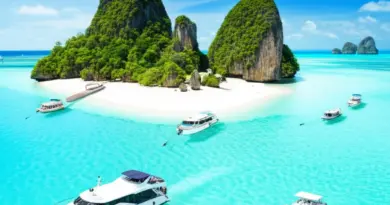
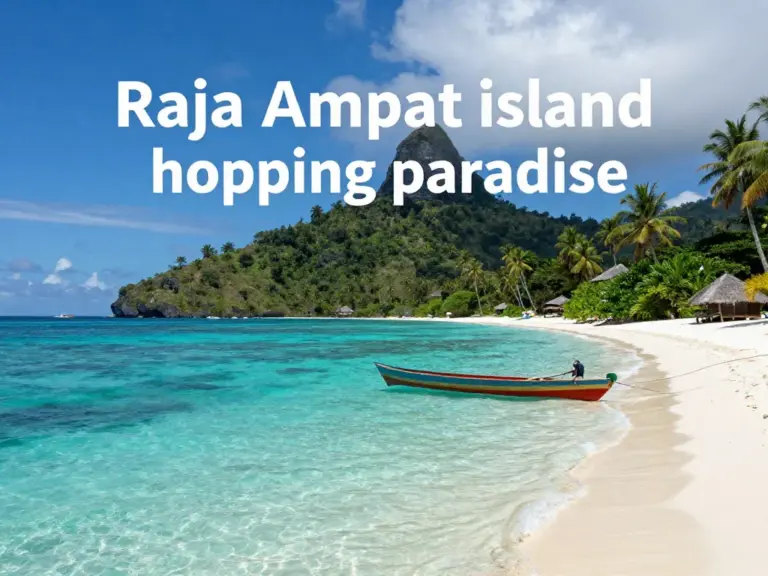
Above the water, the scenery is equally breathtaking. Raja Ampat is characterized by hundreds of jungle-covered karst islands that rise sharply from the sea. Island hopping here often involves navigating through narrow, winding channels that open up into secluded, mirror-still lagoons. These hidden gems, such as the famous Star Lagoon or the Pianemo viewpoint, offer panoramic vistas that define the essence of a world-class destination. The interplay of limestone cliffs, lush greenery, and electric blue water creates a visual masterpiece that is unmatched globally.
Cultural Immersion and Local Hospitality
Beyond the geography, the human element adds a layer of depth to your journey. Staying in locally-owned homestays allows travelers to engage with the Papuan culture. This authentic interaction is a key component of what makes Raja Ampat a world-class island hopping destination. You are not just a tourist; you are a guest in a community that deeply values its connection to the sea and the land. Sharing meals with local families and learning about their traditions provides a profound sense of connection that luxury resorts often cannot replicate.
Planning Your Island Hopping Itinerary
To make the most of your trip, consider the following key areas for your itinerary:
- Waigeo Island: The largest island and the main gateway for most visitors.
- Misool Island: Famous for its massive limestone structures and incredible diving sites.
- Batanta and Salawati: Perfect for those looking for jungle trekking and bird watching, including the Bird of Paradise.
คำถามที่พบบ่อย (FAQ)
When is the best time to visit Raja Ampat?
The best time for island hopping in Raja Ampat is generally between October and April, when the seas are calmest and visibility for diving is at its peak.
Is Raja Ampat suitable for non-divers?
Absolutely. While it is a world-class diving destination, the stunning scenery, bird watching, and relaxing in overwater bungalows make it equally enjoyable for non-divers.
How do I get to Raja Ampat?
Most travelers fly into Domine Eduard Osok Airport in Sorong, West Papua, and then take a fast ferry to Waisai, the capital of the Raja Ampat Regency.