How to Get to Jakarta Like a Local: A Practical Transport Guide
- How to Get to Jakarta Like a Local: A Practical Transport Guide
Navigating Indonesia’s sprawling capital can feel overwhelming, but mastering a Jakarta transport guide is your ticket to experiencing the city beyond the tourist bubbles. Jakarta traffic is legendary, yet the city has undergone a quiet revolution in public infrastructure over the last decade. Whether you are a business traveler or a curious visitor, moving like a local requires a mix of digital savvy and knowing which mode of transport fits your destination.
Jakarta transport guide: The Evolution of Jakarta’s Transit Landscape
For years, Jakarta was dominated by private cars and motorcycles. Today, the city offers a multi-modal transit ecosystem. The key to surviving the commute—or just getting to dinner on time—is understanding the hierarchy of transport. You aren’t just choosing a vehicle; you are choosing how to interact with the city’s unique geography.
TransJakarta: The City’s Arteries
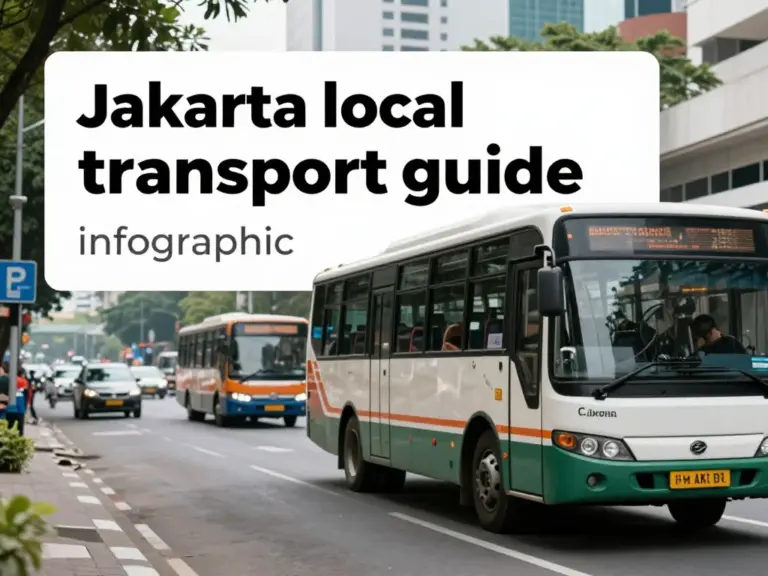
The TransJakarta Busway system is the lifeblood of public transit here. It utilizes dedicated lanes (busways) that are physically separated from regular traffic, allowing it to bypass the notorious gridlock. If you want to travel like a local, this is your primary tool. You will need a prepaid electronic money card (e-money, Flazz, or Brizzi) to tap in at the shelter gates. Cash is not accepted on board.
The MRT and Commuter Line (KRL)
The Jakarta MRT (Mass Rapid Transit) is the most modern, comfortable, and reliable way to cross the city’s central business district, running from Lebak Bulus in the south to Bundaran HI in the center. It is fast, air-conditioned, and punctual. For longer distances extending into the suburbs (like Bogor, Depok, or Bekasi), the KRL Commuter Line is the standard. It is incredibly cheap but can be crowded during rush hours.
Ride-Hailing: The Modern Essential
You cannot discuss a Jakarta transport guide without mentioning the ride-hailing giants: Gojek and Grab. These apps are not just for cars; they are the primary platform for motorcycle taxis (known locally as ojek). If you are stuck in traffic and need to get somewhere fast, a motorcycle taxi is often the only way to weave through the gridlock. It is an adventurous, authentic Jakarta experience that saves hours of time.
Comparing Jakarta Transport Options
| Mode | Best For | Pros | Cons |
|---|---|---|---|
| MRT Jakarta | Central Business District | Fast, clean, reliable | Limited coverage area |
| TransJakarta | Long distances across city | Avoids traffic, extensive routes | Shelters can be crowded |
| Ride-Hailing (Car) | Groups, comfort | Door-to-door, AC | Stuck in traffic |
| Ride-Hailing (Bike) | Solo travelers, speed | Fastest in gridlock | Weather dependent |
| Commuter Line (KRL) | Satellite cities | Very affordable | Extremely busy at peak hours |
Airport Transfers: Getting into the City
Arriving at Soekarno-Hatta International Airport (CGK) offers several ways to reach the center. For the best balance of cost and speed, use the Airport Rail Link (Railink) which connects the airport to BNI City station in central Jakarta. Alternatively, the DAMRI bus service offers a reliable, budget-friendly option to various points around the city. Avoid taking random street taxis from the arrival hall; instead, use the official taxi counters (Blue Bird or Silver Bird) or book a ride-hailing car through the app at the designated pickup points.
- Get an E-Money Card: Buy a Mandiri E-money, BCA Flazz, or BNI TapCash card at any convenience store. You will need this for all public transport.
- Download the Apps: Have both Gojek and Grab installed. They are essential for transport, food delivery, and local navigation.
- Check Rush Hours: Avoid the roads between 7:00 AM – 9:00 AM and 5:00 PM – 7:00 PM if possible.
- Use Google Maps: It is remarkably accurate for bus and train schedules in Jakarta.
- Stay Hydrated: Jakarta is hot and humid. Always carry water, especially if you are taking public transit where you might walk between connections.
Conclusion
Jakarta is a city that rewards those who adapt. By combining the efficiency of the MRT and TransJakarta with the flexibility of ride-hailing apps, you can navigate the capital like a seasoned resident. Don’t be afraid to try the motorcycle taxis for short trips—it is perhaps the most “Jakarta” thing you can do. With a bit of patience and the right apps, the city becomes much more manageable.
Frequently Asked Questions (FAQ)
Is it safe to use motorcycle taxis in Jakarta?
Yes, using Gojek or Grab for motorcycle taxis is generally safe. The drivers are registered, tracked via GPS, and provide helmets. Always ensure you buckle your helmet strap securely.
Do I need cash for public transport?
No, public transport in Jakarta is cashless. You must use an electronic money card (e-money) to pay for MRT, TransJakarta, and Commuter Line services.
What is the best way to get from the airport to downtown?
The Airport Rail Link is the fastest way to reach the city center. For door-to-door convenience, booking a Blue Bird taxi or a ride-hailing car through the app is recommended.
Are there English-speaking drivers?
Many ride-hailing drivers speak basic English, but do not rely on it. Using the app’s built-in chat translation feature is the most effective way to communicate your location or needs.
Can I pay with credit cards on the bus?
No, you cannot use credit cards directly on buses or trains. You must use a local prepaid e-money card purchased at a convenience store or bank.
References
MRT Jakarta Official Website
TransJakarta Official Website
KRL Commuter Line Information