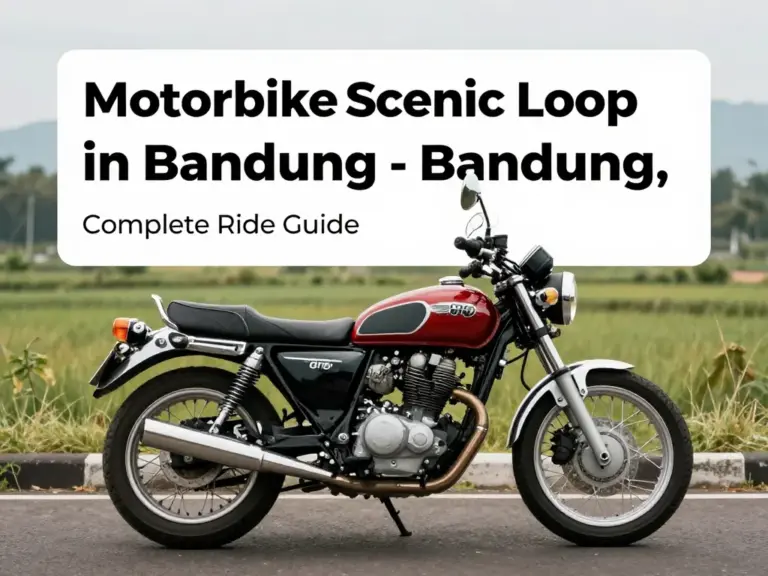
Motorbike Loop in Bandung: A Complete Guide to Scenic Rides
- Motorbike Loop in Bandung: A Complete Guide to Scenic Rides
Bandung, often referred to as the ‘Paris of Java,’ offers some of the most dramatic landscapes in Indonesia. For adventure seekers, the best way to experience the cool mountain air, lush tea plantations, and winding mountain passes is by embarking on a motorbike loop in Bandung. Whether you are a seasoned rider or a casual traveler looking for a weekend escape, navigating the highlands on two wheels provides a freedom that no car or tour bus can match. This guide breaks down the essential routes, safety protocols, and preparation steps to ensure your journey through West Java is both thrilling and safe.
motorbike loop in Bandung: Understanding the Bandung Riding Landscape
The topography surrounding Bandung is characterized by volcanic highlands, rolling hills, and deep valleys. Unlike the flat coastal roads of other regions, a motorbike loop in Bandung requires a higher level of focus and a reliable machine. The weather here is notoriously unpredictable; you might start your ride in bright sunshine only to encounter heavy mist or sudden tropical rain within an hour. Understanding this microclimate is the first step to enjoying your ride.
Why Choose a Motorbike for Bandung?
The primary advantage of a motorbike is accessibility. Many of the most scenic viewpoints, hidden waterfalls, and quiet coffee farms are located off the main highways. A car might struggle with parking or narrow, unpaved paths leading to these gems, but a motorbike allows you to pull over instantly to capture photos or grab a quick coffee. Furthermore, traffic congestion in Bandung city can be severe; a bike allows you to navigate around gridlock, giving you more time to spend on the scenic routes themselves.
Planning Your Scenic Loop
Designing a successful loop requires balancing distance with road quality. You don’t want to spend your entire day stuck in traffic. A classic loop usually starts from the city center, heads north toward Lembang, circles around to the tea estates of Ciwidey, and returns via the southern outskirts.
The North-South Connection
The northern route (Lembang) offers high-altitude vistas and cooler temperatures. The southern route (Ciwidey/Pangalengan) is famous for its misty tea plantations and volcanic lakes. Connecting these two areas creates a comprehensive motorbike loop in Bandung that covers the best of West Java’s highland geography.
| Route Segment | Difficulty | Key Highlights | Best Time to Ride |
|---|---|---|---|
| Bandung – Lembang | Moderate | Observatory, Floating Market | Early Morning (Avoid weekends) |
| Lembang – Ciwidey | High | Mountain passes, dense forests | Mid-Day |
| Ciwidey – Pangalengan | Moderate | Tea Plantations, Kawah Putih | Afternoon |
| Return to Bandung | Moderate | Local villages, sunset views | Late Afternoon |
Essential Safety Tips for Highland Riding
Safety is non-negotiable when riding in mountainous terrain. The roads in West Java can be steep, narrow, and occasionally slick. Before you start your engine, ensure you have the necessary gear and a solid understanding of local riding conditions.
Preparation Checklist
- Bike Inspection: Check your tire pressure, brake pads, and oil levels before departing. If you are renting, test the brakes thoroughly.
- Navigation: Download offline maps. Signal can be spotty in the dense forested areas between Lembang and Ciwidey.
- Documentation: Ensure you have your International Driving Permit (IDP) and valid motorcycle license. Keep copies on your phone.
- Emergency Kit: Carry a small bag with water, basic first-aid supplies, a power bank, and a tire puncture repair kit.
The Best Time of Year to Ride
While Bandung is a year-round destination, your riding experience will vary based on the season. The dry season, typically spanning from May to September, is ideal for a motorbike loop in Bandung. Roads are drier, providing better traction on those hairpin turns. If you choose to travel during the rainy season (October to April), expect heavy afternoon downpours. If you must ride during this time, prioritize morning rides and aim to be off the mountain roads by 2:00 PM to avoid the heaviest rain.
Riding in Indonesia requires a specific mindset. Traffic flow is dynamic and often ignores conventional Western lane discipline. Locals are generally courteous, but you must remain predictable. Use your indicators, check your mirrors constantly, and be prepared for vehicles to pull out from side roads without warning. In the mountains, honking is not necessarily an act of aggression; it is often a courtesy signal used to alert drivers around blind corners. Don’t be offended by it—join in to ensure your presence is known.
Conclusion
Embarking on a motorbike loop in Bandung is one of the most rewarding ways to see West Java. It connects you directly with the landscape, the people, and the culture of the region. By respecting the terrain, preparing for the weather, and staying alert, you can turn a simple ride into an unforgettable adventure. Whether you are chasing the sunrise over the tea estates or winding through the volcanic peaks, Bandung offers a riding experience that caters to every level of expertise.
Frequently Asked Questions (FAQ)
A: Yes, you are legally required to hold a valid motorcycle license from your home country along with an International Driving Permit (IDP). Rental agencies may not always ask, but police checkpoints do.
A: Bandung’s city traffic can be chaotic for beginners. If you are inexperienced, it is recommended to take a taxi or car service to the outskirts of the city and rent a bike there, where the roads are quieter and more scenic.
A: A scooter (matic) is sufficient for paved roads, but for more adventurous, steeper routes, a semi-automatic or manual bike with a larger engine (150cc+) will handle the mountain climbs much better.
A: While main towns have official Pertamina gas stations, the remote mountain passes rely on local ‘warungs’ selling fuel in glass bottles. It is best to keep your tank full before heading into remote areas.
References
Official Indonesia Tourism Board – Bandung Guide
Meteorology, Climatology, and Geophysical Agency (BMKG) – Weather Updates