Ultimate Guide to National Parks Near Belitung
When planning a trip to Indonesia, travelers often search for National Parks Near Belitung, hoping to find vast, protected rainforests or wildlife sanctuaries similar to those found in Sumatra or Kalimantan. However, it is essential to understand that Belitung’s natural landscape is defined by a unique designation: the Belitong UNESCO Global Geopark. While you may not find a traditional “National Park” in the conventional sense on the island itself, what you will find is arguably more spectacular—a landscape shaped by millions of years of geological history, pristine white-sand beaches, and unique granite formations that are protected under international standards.
In this guide, we will walk you through the protected areas, the significance of the Belitong Geopark, and how to enjoy the natural beauty of this region responsibly. If you are looking for an immersive nature experience, understanding the topography of Belitung is the first step toward a perfect itinerary.
National Parks Near Belitung: Understanding the Belitong UNESCO Global Geopark
Many visitors searching for National Parks Near Belitung are pleasantly surprised to learn about the Belitong UNESCO Global Geopark. Officially designated in 2021, this status is not merely a title; it is a recognition of the island’s rare geological features. The Geopark encompasses a vast area of land and sea, protecting the unique “Tektite” (meteorite glass) sites, granite landscapes, and the rich cultural heritage of the local community.
Unlike a standard national park that might be fenced off or restricted to specific trails, the Geopark is an integrated area where nature, geology, and local communities coexist. This makes it an ideal destination for travelers who want to explore diverse ecosystems—from mangroves and coral reefs to inland forests—without needing to travel to remote, restricted wilderness areas.
Key Natural Sites and Protected Areas
While navigating your trip, you will want to focus on specific “Geosites.” These are the highlights of the protected landscape near Belitung that offer the most breathtaking views and educational value.
Tanjung Kelayang
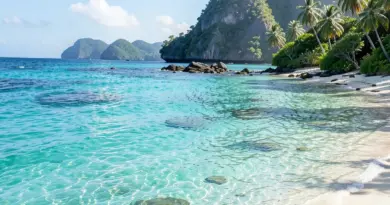
Tanjung Kelayang is often the entry point for island hopping. The beach here is famous for its massive granite boulders that sit right on the sand. These formations are geologically significant and serve as the face of the Geopark. It is a highly protected area where the local tourism board and conservation groups work together to maintain the cleanliness of the water and the integrity of the rock formations.
Batu Bedil
Located in the southern part of the island, Batu Bedil is a site where you can witness the raw power of nature. The rocks here are arranged in a way that creates a natural “stone gate.” It is a quieter, less touristy area compared to the northern beaches, making it perfect for those who want to experience the quiet, untouched side of Belitung’s natural heritage.
Lengkuas Island
Though technically an island, it is part of the protected marine ecosystem surrounding Belitung. The island is home to a historic Dutch lighthouse constructed in the 19th century. The surrounding waters are a protected zone where you can snorkel and see vibrant coral reefs. It is essential to practice “leave no trace” ethics here, as the marine life is fragile and highly sensitive to human interaction.
Comparison of Nature Destinations
When deciding where to spend your time, it helps to distinguish between the different types of protected or natural sites available. The following table provides a quick overview to help you plan your travel priorities.
| Site Type | Primary Attraction | Accessibility | Best For |
|---|---|---|---|
| Geopark Sites | Granite formations, Tektites | Moderate (requires boat/car) | Photography, Geology enthusiasts |
| Coastal Reserves | Corals, Marine Life | Easy (boat tours) | Snorkeling, Swimming |
| Inland Forests | Flora, Wildlife | Hard (requires local guide) | Hiking, Bird watching |
| Historical Sites | Lighthouses, Architecture | Easy | Cultural history lovers |
Practical Checklist for Your Trip
To ensure your visit to these natural areas is both enjoyable and respectful, follow this checklist. Being prepared helps protect the environment and ensures you have a smooth journey.
- Hire a Local Guide: Many of the best geological sites are best understood with a guide who can explain the history of the rocks and the local ecosystem.
- Use Reef-Safe Sunscreen: If you are snorkeling near the reefs, standard sunscreen can damage the coral. Look for zinc-based options.
- Pack Light and Reusable: Bring a reusable water bottle. Plastic waste is a major issue on Indonesian islands; minimizing your footprint is crucial.
- Check Seasonal Weather: The best time to visit is during the dry season (April to October). Rough seas during the monsoon can make island hopping dangerous.
- Respect Local Customs: Many of the natural sites have spiritual significance to local communities. Always ask for permission before entering restricted zones or taking photos of sacred areas.
Conclusion
While your search for National Parks Near Belitung might lead you to discover that the island operates under the sophisticated UNESCO Global Geopark model, this is ultimately a benefit for the traveler. You are not confined to a single park; instead, you get to explore an entire island ecosystem that is actively managed and protected. From the iconic granite beaches of Tanjung Kelayang to the quiet, mystical shores of the southern coast, Belitung offers a unique blend of geological wonder and island paradise. By traveling with awareness and respect for the environment, you ensure these natural treasures remain for generations to come.
Frequently Asked Questions (FAQ)
No, Belitung does not have a traditional National Park. Instead, it is designated as a UNESCO Global Geopark, which provides international protection to its unique geological, biological, and cultural sites.
Generally, no. Most sites are open to the public. However, some specific protected zones or private conservation areas may require a small entrance fee or a local guide.
The most efficient way to see the coastal and island sites is by renting a boat with a local captain (boatman), who is usually familiar with the best snorkeling spots and safety protocols.
Yes, while the primary focus is coastal, there are inland forests and hills suitable for hiking. It is highly recommended to hire a local guide, as trails are not always marked clearly.
References
For more information on the geological significance and travel regulations, visit the UNESCO Global Geoparks Network or consult official local tourism guidelines provided by the Bangka-Belitung Islands provincial government.