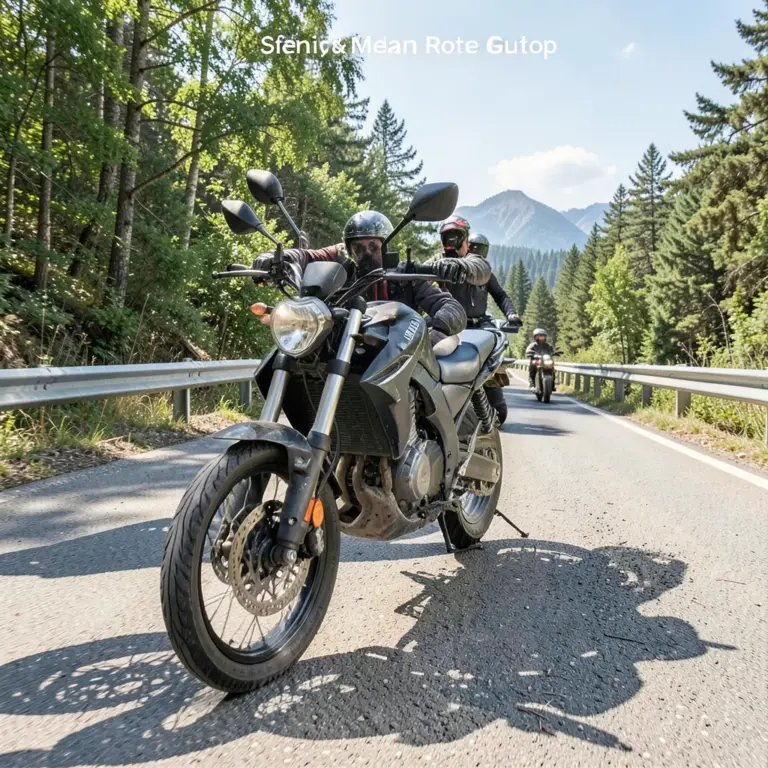
Scenic Medan Motorbike Loop: Your Ultimate Safety and Route Guide
- Scenic Medan Motorbike Loop: Your Ultimate Safety and Route Guide
- Understanding the Scenic Medan Motorbike Loop
- Planning Your Route: Key Destinations and Considerations
- Essential Safety Precautions for the Scenic Medan Motorbike Loop
- Comparing Motorbike Rental Options
- Packing Checklist for Your Adventure
- Common Mistakes to Avoid
- Conclusion
- Frequently Asked Questions (FAQ)
Embarking on the Scenic Medan Motorbike Loop offers an unparalleled way to experience the diverse landscapes and vibrant culture of North Sumatra. This guide is crafted for the adventurous spirit, providing a comprehensive overview of the route, essential safety precautions, and practical tips to ensure your journey is as enjoyable as it is secure. Whether you’re a seasoned rider or new to two-wheeled exploration, understanding the nuances of this popular Indonesian loop is key to a memorable adventure.
Understanding the Scenic Medan Motorbike Loop
The Scenic Medan Motorbike Loop is not a single, officially designated path but rather a popular circuit that typically encompasses several key destinations surrounding Medan, the capital of North Sumatra. Riders often start and end their journey in Medan, venturing out to explore areas like Lake Toba, Berastagi, and the surrounding highlands. The loop’s appeal lies in its rich tapestry of experiences, from the cool mountain air of Berastagi to the majestic volcanic landscapes and the cultural heartland around Lake Toba, the largest volcanic lake in the world. The duration can vary significantly based on pace and stops, but a common itinerary spans from 3 to 7 days.
Planning Your Route: Key Destinations and Considerations
A typical iteration of the Scenic Medan Motorbike Loop might include the following segments:
- Medan to Berastagi: This leg takes you from the bustling city to the cooler highlands. The road offers increasingly scenic views as you ascend. Berastagi is known for its strawberry farms, flower markets, and the twin volcanoes, Mount Sinabung and Mount Sibayak.
- Berastagi to Lake Toba (via Pematang Siantar): This is often the longest stretch, leading you towards the stunning Lake Toba. The route can vary, with some opting for a more direct path and others choosing a more scenic, albeit longer, way. Pematang Siantar is a significant city along the way, offering rest stops and local culinary experiences.
- Exploring Lake Toba: Spend time around the lake, visiting Samosir Island, the cultural heart of the Batak people. Towns like Tuk-Tuk and Ambarita offer unique insights into local life and traditions.
- Lake Toba back to Medan: The return journey allows for reflection on the trip and potentially exploring any missed spots or simply enjoying the familiar roads with a new perspective.
It’s advisable to use GPS navigation but also have offline maps or a physical map as a backup, as mobile signal can be intermittent in some areas.
Essential Safety Precautions for the Scenic Medan Motorbike Loop
Safety is paramount when navigating the roads of North Sumatra. The Scenic Medan Motorbike Loop, while rewarding, presents its own set of challenges.
Vehicle Check: Before you depart, ensure your motorbike is in excellent condition. Check tires, brakes, lights, and oil. Consider a tune-up if you haven’t had one recently.
Protective Gear: Always wear a DOT-approved helmet, sturdy riding jacket, gloves, long pants, and durable footwear. This is non-negotiable for your safety.
Riding Conditions: Roads can be narrow, winding, and sometimes poorly maintained, especially off the main highways. Be aware of potholes, loose gravel, and unpredictable traffic, including trucks, buses, and other motorbikes. Rain can make conditions slick and visibility poor.
Local Traffic Laws and Etiquette: Familiarize yourself with Indonesian traffic rules. Overtaking can be aggressive; ride defensively and be constantly aware of your surroundings. Honking is often used to signal presence rather than aggression.
Health and Hydration: Carry a basic first-aid kit and stay hydrated, especially in the tropical climate. Long rides can be taxing; take regular breaks.
Emergency Contacts: Save local emergency numbers and consider informing someone of your itinerary.
Fuel: Always keep your fuel tank topped up when possible. Fuel stations can be sparse in more remote areas.
Comparing Motorbike Rental Options
Choosing the right motorbike is crucial for your comfort and safety on the loop. Here’s a comparison of common options:
| Motorbike Type | Pros | Cons | Ideal For |
|---|---|---|---|
| Automatic Scooter (e.g., Honda Vario, Yamaha Mio) | Easy to ride, good for city and shorter distances, fuel-efficient. | Limited power for steep inclines, less stable at high speeds. | Beginner riders, short distances, relaxed pace. |
| Semi-Automatic/Underbone (e.g., Honda Supra) | A balance between automatic and manual, decent power, fuel-efficient. | Can be less comfortable for very long rides than scooters. | Versatile riders, mixed terrain. |
| Manual Motorcycle (e.g., Honda CB series, Yamaha V-Ixion) | More power and control, better for varied terrain and higher speeds. | Requires clutch and gear shifting skills, can be more tiring. | Experienced riders, longer distances, challenging roads. |
| Adventure/Dual-Sport (e.g., Honda CRF, Kawasaki KLX) | Handles rough roads and longer distances well, comfortable riding position. | More expensive to rent, potentially higher fuel consumption. | Riders planning to venture off main roads, long-distance comfort. |
When renting, always inspect the bike thoroughly and ensure all necessary documents are in order. Ask about insurance coverage.
Packing Checklist for Your Adventure
A well-prepared rider is a safe rider. Here’s a checklist to help you pack:
- Riding Gear: Helmet, jacket, gloves, long pants, sturdy shoes.
- Clothing: Lightweight, quick-drying clothes for layering, rain gear.
- Documents: Passport, visa (if applicable), driving license (international permit recommended), bike rental agreement.
- Navigation: GPS device or smartphone with offline maps, power bank.
- Health & First Aid: Personal medications, basic first-aid kit (band-aids, antiseptic wipes, pain relievers, motion sickness medication).
- Essentials: Sunscreen, insect repellent, water bottle, snacks, cash (IDR).
- Tools: Basic tool kit (if you’re comfortable with minor repairs), tire repair kit.
Common Mistakes to Avoid
To ensure a smooth journey, be mindful of these common pitfalls:
Conclusion
The Scenic Medan Motorbike Loop is an adventure that promises breathtaking vistas, cultural immersion, and a true taste of North Sumatra. By prioritizing safety, planning your route meticulously, and packing appropriately, you can transform this journey into an unforgettable experience. Ride smart, ride safe, and soak in the beauty of Indonesia from two wheels.
Frequently Asked Questions (FAQ)
Q1: What is the best time of year to ride the Medan Motorbike Loop?
A1: The dry season, generally from June to September, is ideal for riding as it offers clearer roads and better visibility. However, the loop can be ridden year-round, with adjustments for potential rain during the wet season.
Q2: Is it safe for solo riders?
A2: While many solo travelers enjoy the loop, it requires a higher degree of caution and preparedness. It’s advisable to have some riding experience and to stay in well-trafficked areas, especially at night. Informing someone of your daily plans is also recommended.
Q3: What kind of motorbike is best for this loop?
A3: For varied terrain including potentially rougher patches and inclines, a manual motorcycle or an adventure bike is often recommended for experienced riders. However, a well-maintained automatic scooter can suffice if you plan to stick to major roads and ride at a relaxed pace.
Q4: How can I rent a motorbike in Medan?
A4: Motorbike rentals are widely available in Medan, especially near tourist areas and transportation hubs. It’s advisable to rent from reputable agencies, check the bike’s condition thoroughly, and understand the rental terms and insurance clearly.