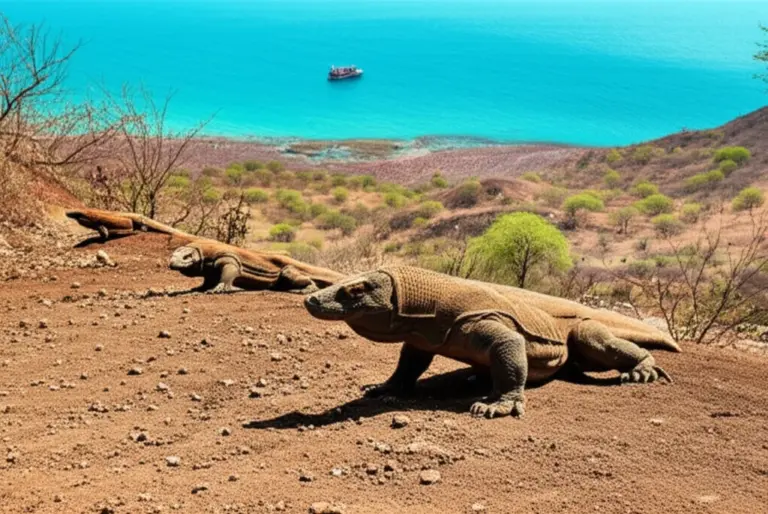
Komodo Island: The Complete Guide to Indonesia’s Dragons, Marine Parks, and How to Plan an Unforgettable Visit
- Komodo Island: The Complete Guide to Indonesia’s Dragons, Marine Parks, and How to Plan an Unforgettable Visit
Welcome to the ultimate Komodo Island travel guide, your essential resource for planning an extraordinary adventure to one of Indonesia’s most captivating destinations. Nestled in the heart of the Lesser Sunda Islands, Komodo Island is not just famous for its prehistoric Komodo dragons but also for its breathtaking marine parks, pristine pink beaches, and dramatic landscapes. This comprehensive guide will equip you with all the knowledge you need to explore this UNESCO World Heritage Site responsibly and create memories that will last a lifetime.
Discovering the Legendary Komodo Dragons
The Komodo dragon (Varanus komodoensis) is the undisputed star of Komodo Island. As the largest living lizard in the world, these magnificent creatures can reach lengths of over 10 feet (3.13 meters) and weigh up to 366 pounds (166 kilograms) [6, 21]. Found exclusively in the wild on Komodo, Rinca, Gili Motang, and Flores islands, they are apex predators with a venomous bite [6, 9, 14]. Witnessing these ancient reptiles in their natural habitat is a truly humbling experience.
When visiting Komodo or Rinca Island, you’ll be accompanied by a park ranger who ensures your safety and provides fascinating insights into the dragons’ behavior and ecology. Rinca Island is often cited for more reliable sightings due to its smaller size and the presence of a ranger station where dragons frequently gather [2]. However, Komodo Island offers a more untouched feel, though sightings can be less predictable [2]. Always adhere to your guide’s instructions and maintain a safe distance from these powerful creatures [28, 40].
Komodo Dragon Facts:
- Komodo dragons have an excellent sense of smell, using their forked tongues to detect carrion from up to 5 miles away [9, 14].
- They are carnivorous and can consume up to 80% of their body weight in a single meal [9, 12, 14].
- Despite their size, they can run up to 12 mph (19 km/hr) and are also capable swimmers [9].
- Young dragons often climb trees to avoid being eaten by larger, cannibalistic adults [14].
- Komodo dragons are listed as an endangered species by the IUCN Red List [12].
Exploring Komodo National Park: A Marine Paradise
Beyond its iconic dragons, Komodo National Park is a vibrant marine ecosystem, recognized as a UNESCO World Heritage Site and part of the Coral Triangle, a global hotspot for marine biodiversity [18, 24]. Its waters are a kaleidoscope of life, boasting over 1,000 species of fish, 260 species of coral, and a rich array of marine invertebrates [18, 27]. This makes it a world-class destination for diving and snorkeling.
The park’s diverse underwater topography includes vibrant coral gardens, seamounts, and strong currents that bring nutrient-rich waters, attracting large pelagic species [27, 31]. You can encounter majestic manta rays, various species of sharks (blacktip, whitetip, reef sharks), sea turtles (green and hawksbill), and a myriad of colorful reef fish [18, 29]. Some lucky visitors might even spot rare dugongs or different species of whales and dolphins [24, 31].
Must-Visit Islands and Dive Sites
Your Komodo adventure will likely involve island hopping to experience the diverse attractions within the park. Here are some highlights:
- Padar Island: Famous for its iconic viewpoint offering panoramic vistas of three distinct beaches – white, black, and pink sands – against a backdrop of turquoise waters and rugged green hills [15, 26]. The hike to the summit takes about 20-45 minutes and is best done at sunrise for stunning views and cooler temperatures [15, 38].
- Pink Beach (Pantai Merah): One of only seven pink beaches in the world, its unique hue comes from microscopic red organisms (Foraminifera) that produce a red pigment on coral reefs, which then mix with white sand [8, 20, 32]. It’s a fantastic spot for swimming, relaxing, and snorkeling amidst vibrant coral and marine life [8, 29, 36].
- Manta Point: A renowned dive and snorkel site where you can frequently encounter majestic manta rays feeding in the currents [3, 19, 41]. Divers can descend to around 12 meters to observe these gentle giants, often alongside turtles, reef sharks, and eagle rays [3, 35]. The best time to see large numbers of mantas is during the dry season, particularly April-September, or even December-February for divers, despite it being the rainy season [10, 19, 45].
- Taka Makassar: A small, crescent-shaped sandbar with pristine white sand and crystal-clear waters, often visited in conjunction with Manta Point [13].
- Kanawa Island: Known for its beautiful coral reefs and abundant tropical fish, perfect for snorkeling and relaxing [22].
Planning Your Unforgettable Komodo Adventure
Getting There: Your Gateway to Komodo
The primary gateway to Komodo National Park is Labuan Bajo, a charming fishing town on the western tip of Flores Island [2, 4, 11]. Labuan Bajo’s Komodo Airport (LBJ) receives daily flights from major Indonesian cities like Bali (Denpasar) and Jakarta [4, 11, 17, 33]. Flights from Bali are particularly frequent and take approximately 1.5 hours [13, 17]. International direct flights from Singapore and Kuala Lumpur to Labuan Bajo are also available [2, 4, 17].
It’s highly recommended to fly into Labuan Bajo a day before your planned boat tour, as most tours depart early in the morning [4, 39]. From Labuan Bajo, all access to Komodo Island and other park attractions is by boat, ranging from day trips on speedboats to multi-day liveaboards [2, 13, 17].
Best Time to Visit Komodo Island
The dry season, from April to October, is generally considered the best time to visit Komodo National Park [5, 7, 10, 33]. During these months, the weather is sunny, and the seas are calmer, making for ideal conditions for island hopping, hiking, and water activities [5, 10]. April to June is particularly glorious, with lush green landscapes after the wet season and comfortable temperatures [5, 7, 16].
While the rainy season (November to March) can bring heavy rains, strong winds, and rough seas, making some boat trips challenging, the park is open year-round [5, 7, 10]. If your primary goal is seeing Komodo dragons, avoid their mating season in July and August, as they tend to be less active and harder to spot [2, 7, 16]. However, this period is also high season for tourism, so expect more crowds and higher prices [5, 16].
Accommodation and Tour Options
There are no hotels directly on Komodo Island or within the national park itself; most travelers base themselves in Labuan Bajo [2]. Labuan Bajo offers a range of accommodations, from budget hostels to luxury resorts. For a truly immersive experience, consider an overnight liveaboard boat trip, allowing you to wake up to stunning views within the park and access sunrise hikes like Padar Island [2, 22].
Tour options from Labuan Bajo vary widely, including full-day speedboat tours, 2-day/1-night, or 3-day/2-night liveaboard experiences [2, 25, 48]. These tours typically cover key destinations like Komodo Island, Rinca Island, Padar Island, Pink Beach, and Manta Point [2, 22, 30, 39]. It is advisable to book your tours in advance, especially during peak season, to secure your preferred option [22, 39].
Responsible Tourism and Safety Tips
As a unique and fragile ecosystem, practicing responsible tourism is crucial to preserving Komodo National Park for future generations [28, 37, 49].
Always stay with your park ranger when trekking on Komodo or Rinca. Pack light, bring plenty of water, sunscreen, and a hat, especially for hikes [22, 26].
Experience Komodo National Park Visually
To truly grasp the magic of this destination, watch this video showcasing the breathtaking beauty and unique experiences awaiting you in Komodo National Park:
คำถามที่พบบ่อย (FAQ)
What are the main attractions in Komodo National Park?
The main attractions include encountering Komodo dragons on Komodo or Rinca Island, hiking to the panoramic viewpoint on Padar Island, relaxing and snorkeling at Pink Beach, and swimming with manta rays at Manta Point. The park also offers world-class diving and snorkeling opportunities with diverse marine life.
How do I get to Komodo Island?
The easiest way is to fly to Labuan Bajo (LBJ) on Flores Island. There are frequent domestic flights from Bali and Jakarta, and some international flights. From Labuan Bajo, you will take a boat tour to access Komodo Island and other sites within the national park.
Is it safe to visit Komodo Island?
Yes, it is generally safe to visit Komodo Island, especially when following park regulations. When on Komodo or Rinca Island to see dragons, you will always be accompanied by a trained park ranger who ensures your safety. For marine activities, choose reputable tour operators and be mindful of currents, especially at dive sites like Manta Point.
What is the best time of year to visit Komodo?
The dry season, from April to October, is ideal for visiting Komodo National Park. This period offers sunny weather and calm seas, perfect for island hopping, hiking, and water activities. While the park is open year-round, the rainy season (November to March) can bring more challenging weather conditions.
What kind of marine life can I expect to see?
Komodo National Park is a marine biodiversity hotspot. You can expect to see a vast array of marine life, including manta rays, various species of reef sharks, sea turtles, thousands of colorful reef fish, vibrant coral gardens, and potentially even dugongs or dolphins.
References
- Komodo Islands: Everything You Need to Know & How to Avoid the Crowds
- Manta Point Komodo | Snorkelling & Diving
- How to Get to Komodo Island – Flights, Boats & Best Travel Tips
- Best time to visit Komodo – Responsible Travel
- Komodo dragon | Smithsonian’s National Zoo and Conservation Biology Institute
- Best time to visit Komodo Island – Adventure Indonesia
- Pink Beach or the unique beach with pink or red sand – Dive Concepts
- 10 Facts About the Endangered Komodo Dragon – GoEco
- Best Time to Visit Komodo Island – Tips To Enhance Your Trip
- How to get to Komodo island – Hello Flores
- 12 Surprising Facts About Komodo Dragons – Treehugger
- Komodo Islands Travel Guide For Indonesia
- Komodo Dragon Fact Sheet | United Parks & Resorts – Seaworld.org
- Guide to Hiking the Padar Island Viewpoint, Komodo, Indonesia – Lifetime Lost Travel
- Best Time to Visit Komodo Island – MUST READ • 2025 Guide – The Broke Backpacker
- How to Get to Komodo Island Indonesia – Boatique Charters
- Komodo Marine Life
- Manta Point Komodo National Park
- Famous Pink Beach at Komodo National Park – Almira Trip
- Komodo Dragon Fact Sheet | Blog | Nature – PBS
- Ultimate Komodo Island Itinerary: A 5-Day Adventure Guide for 2025
- How to Get to Komodo: Your Comprehensive Guide to Arriving at Komodo National Park
- Komodo National Park – Wikipedia
- THE BEST 20 Excursions & Tours in Labuan Bajo, East Nusa Tenggara (Prices from $48) – Viator
- Padar Island Hike: Epic Day Trip From Labuan Bajo Indonesia – The World Travel Guy
- Komodo Marine Diversity, Komodo Diving & Snorkeling paradise – Dive Concepts
- Responsible tourism in Komodo
- Dive Komodo National Park: A Gateway to Indonesia’s Underwater Paradise
- Komodo One Day Tour from Labuan Bajo by Wooden Boat – Wonderful Borobudur Tours
- Diving in Komodo National Park
- Romantic Pink Beach of the Komodo Islands – Indonesia Travel
- Complete Guide to Visiting Komodo Island: What You Need to Know Before You Go
- Padar – THE Komodo View Point – Leslie’s Travel Snacks
- Manta point Komodo dive site – PADI
- Pink Beach Komodo: Discover Pantai Merah’s Unique Charm
- Staying Eco-Friendly for Your Komodo Island Trip: Responsible Tourism Practices in 2024
- Padar Island Komodo: How to Hike, Visit & What Makes It Special – Calico Jack Charters
- Padar Island In Flores – Visitor’s Guide (2025) – Jonny Melon
- Planning a Komodo Island Tour: Complete Guide to Komodo National Park – A Passion and A Passport
- Sustainable Tourism in Komodo National Park – Maika Komodo Tour & Diving
- Manta Point: Discover The Majestic Manta Rays of Komodo National Park – Mikumba Diving
- How To Visit The Pink Beach In Komodo Island, Indonesia – The World Travel Guy
- NAVIGATING SUSTAINABLE TOURISM: THE DELICATE BALANCE AT KOMODO NATIONAL PARK – THE S MEDIA
- Why visit Komodo Island? Understanding the dragons, UNESCO status, biodiversity, and best times to go
- Getting there and getting around: Transportation options, permits, guided tours, and eco-friendly travel tips
- Top activities and highlights: Trekking to see Komodo dragons, snorkeling and diving spots, Rinca, Pink Beach, and wildlife watching