Why visit Komodo Island? Understanding the dragons, UNESCO status, biodiversity, and best times to go
- Why visit Komodo Island? Understanding the dragons, UNESCO status, biodiversity, and best times to go
- Encountering the Komodo Dragons: A Prehistoric Marvel
- Komodo National Park: A UNESCO World Heritage Site
- Unveiling Komodo’s Rich Biodiversity
- Planning Your Trip: Best Times to Visit Komodo Island
- Activities and Experiences in Komodo National Park
- Practical Tips for Your Komodo Adventure
- คำถามที่พบบ่อย (FAQ)
Komodo Island, a jewel in the Indonesian archipelago, calls to adventurers and nature lovers alike. Its allure extends far beyond its most famous inhabitants – the formidable Komodo dragons. To truly understand why you should visit Komodo Island, one must delve into its unique prehistoric wildlife, its prestigious UNESCO World Heritage status, its astounding biodiversity, and the optimal times to embark on this unforgettable journey. This comprehensive guide aims to equip you with all the knowledge needed to plan an extraordinary trip to this remarkable destination.
Encountering the Komodo Dragons: A Prehistoric Marvel
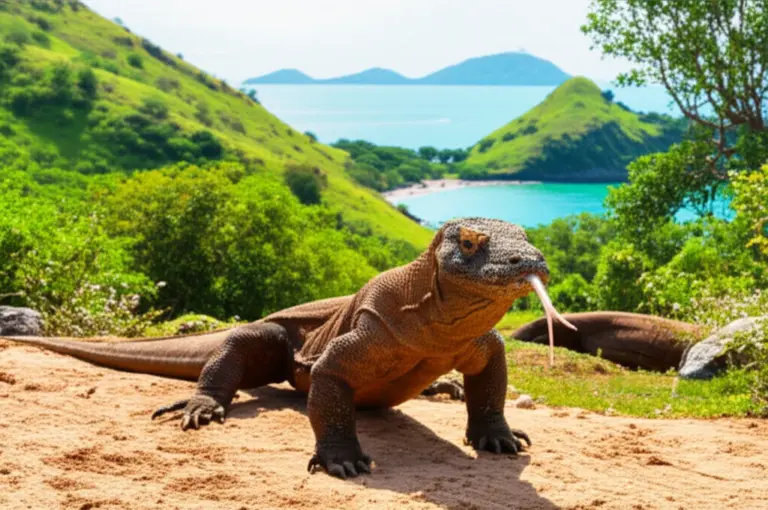
The undeniable star of Komodo Island is the Komodo dragon (Varanus komodoensis), the world’s largest living lizard. These magnificent creatures, which can grow up to 3 meters (10 feet) long and weigh over 90 kilograms (200 pounds), are found nowhere else on Earth in the wild except within Komodo National Park and its surrounding islands like Rinca, Gili Motong, and parts of Flores. Their imposing size, powerful bite, and unique hunting techniques make them a fascinating subject of study and a thrilling sight for visitors. [12, 14, 15]
Observing these ‘living dinosaurs’ is a highly regulated and safe experience. All visitors must be accompanied by a trained park ranger, who ensures a respectful distance is maintained and provides valuable insights into the dragons’ behavior, diet, and conservation status. While they are powerful predators, rangers are adept at managing encounters, making your visit both safe and awe-inspiring. [2]
Komodo National Park: A UNESCO World Heritage Site
Komodo National Park was established in 1980 specifically to protect the Komodo dragon and its unique habitat. Its global significance was formally recognized in 1991 when it was inscribed as a UNESCO World Heritage Site. [9, 13, 14] This designation highlights the park’s outstanding universal value, not only for its iconic dragon population but also for its exceptional natural beauty and ecological processes. The park encompasses rugged hillsides, dry savannah, pockets of thorny green vegetation, pristine white sandy beaches, and vibrant blue waters teeming with marine life. [11, 14]
Unveiling Komodo’s Rich Biodiversity
While the Komodo dragons are the most famous residents, the park is a treasure trove of biodiversity, both on land and beneath the waves. Terrestrial wildlife includes Timor deer (a primary prey for the dragons), wild boar, monkeys, and numerous bird species, including the endangered yellow-crested cockatoo and the orange-footed scrub fowl. [8, 10, 13, 15]
The marine environment is equally, if not more, spectacular. Located within the Coral Triangle, Komodo National Park boasts one of the world’s richest marine ecosystems. Its waters are home to over 260 species of reef-building coral, 70 varieties of sponges, and more than 1,000 species of tropical fish. [7, 9, 15] Divers and snorkelers are often treated to sightings of majestic manta rays, various shark species (including hammerheads), sea turtles, dolphins, and even dugongs. The strong currents and nutrient-rich waters create ideal conditions for this incredible marine diversity, making it a paradise for underwater exploration. [7, 9, 11]
Beyond wildlife, the park offers stunning landscapes like the iconic Pink Beach (Pantai Merah), known for its unique reddish sand, and Padar Island, which offers breathtaking panoramic views of three distinct colored beaches. These natural wonders provide incredible opportunities for photography and serene relaxation. [17, 19]
Planning Your Trip: Best Times to Visit Komodo Island
Choosing the right time to visit Komodo Island can significantly enhance your experience. The park experiences two main seasons: the dry season (April to October) and the rainy season (November to March). [3, 6]
Dry Season (April – October)
This is generally considered the best time to visit due to calm seas, abundant sunshine, and excellent visibility for diving and snorkeling. [3, 4, 5, 6]
- April – June: Often described as the ‘glorious’ time. The islands are lush and green from the recent rains, temperatures are comfortable, and seas are calm. This period offers high chances of spotting whale sharks and manta rays. [2, 3, 5, 6]
- July – August: Peak tourist season. Weather is sunny, but it can be hot and crowded. This is also the Komodo dragon mating season, which might make them less active and harder to spot as they tend to hide. However, it’s a chance to witness male dragons fighting. [2, 3, 6]
- September – October: Still dry with fewer crowds than peak season. Excellent for diving and snorkeling with clear visibility and high chances of manta ray sightings. Dragons are also more active after their mating season. [2, 6]
Rainy Season (November – March)
While the park remains open year-round, the rainy season, particularly January to mid-March, can bring heavy rainfall, strong winds, and rough seas, making boat travel challenging and some activities risky. [2, 3] However, the landscapes are incredibly green and lush, offering a different kind of beauty. Fewer tourists mean a more peaceful experience. [4, 6]
Activities and Experiences in Komodo National Park
Komodo National Park offers a diverse range of activities for every type of traveler:
- Komodo Dragon Trekking: Guided treks on Komodo or Rinca Island to observe dragons in their natural habitat.
- Snorkeling and Diving: Explore world-class dive sites like Manta Point, Batu Bolong, and Siaba Besar, home to vibrant coral reefs and abundant marine life. [7, 9]
- Pink Beach Relaxation: Enjoy the unique sands and clear waters of Pantai Merah.
- Padar Island Hike: Ascend to the viewpoint for iconic panoramic vistas. [18, 19]
- Island Hopping: Discover smaller, pristine islands like Kanawa and Taka Makassar.
Practical Tips for Your Komodo Adventure
The gateway to Komodo National Park is Labuan Bajo, a bustling fishing town on the western tip of Flores Island. Daily flights connect Labuan Bajo with major Indonesian cities like Bali and Jakarta. [9, 19] From Labuan Bajo, you can arrange multi-day liveaboard tours or day trips to the park’s islands.
| Aspect | Recommendation |
|---|---|
| Permits & Guides | Mandatory to enter the park and trek with a ranger. |
| Accommodation | Options range from budget hostels to luxury resorts in Labuan Bajo, or liveaboard boats. |
| What to Bring | Sunscreen, hat, insect repellent, swimwear, comfortable walking shoes, camera, and sufficient cash (limited ATMs in the park). |
| Responsible Tourism | Respect wildlife, do not litter, support local communities, and follow park regulations diligently. [13] |
Komodo Island offers a rare blend of prehistoric wonder, breathtaking natural beauty, and vibrant marine life. Its UNESCO status ensures its protection for future generations, while its unique inhabitants and diverse ecosystems provide an unparalleled travel experience. Whether you’re drawn by the allure of the dragons, the underwater marvels, or the stunning landscapes, planning your visit Komodo Island promises an adventure of a lifetime.
คำถามที่พบบ่อย (FAQ)
References
- Responsible Travel – Best time to visit Komodo
- Adventure Indonesia – The BEST Time to Visit Komodo Island
- Alexa Private Cruises – Best Time to Visit Komodo Island
- The Broke Backpacker – Best Time to Visit Komodo Island
- IndonesiaJuara Trip – The Best Time to Visit Komodo Island
- Dive Concepts – Komodo Marine Diversity
- Samara Liveaboard – Exploring the Rich Biodiversity of Komodo National Park
- WWF – Komodo National Park, Indonesia
- IUCN – Komodo National Park
- UNESCO World Heritage Centre – Komodo National Park
- Aqua Expeditions – Komodo Dragon
- Amber International Holdings – How Komodo Became a UNESCO World Heritage Site
- AZERTAC – Komodo National Park
- UNESCO – Komodo – Man and the Biosphere Programme (MAB)
- YouTube – KOMODO NATIONAL PARK Complete Guide
- YouTube – THE ULTIMATE KOMODO NATIONAL PARK TRAVEL VLOG
- YouTube – Visiting Komodo Island? WATCH THIS FIRST.
- Komodo Island: The Complete Guide to Indonesia’s Dragons, Marine Parks, and How to Plan an Unforgettable Visit
- Getting there and getting around: Transportation options, permits, guided tours, and eco-friendly travel tips
- Top activities and highlights: Trekking to see Komodo dragons, snorkeling and diving spots, Rinca, Pink Beach, and wildlife watching