Getting around within cities and islands: taxis, ride-hailing apps (Gojek/Grab), angkot, ojeks, bike rentals, and public transit tips for Jakarta, Bali, Yogyakarta, and Sumatra
- Getting around within cities and islands: taxis, ride-hailing apps (Gojek/Grab), angkot, ojeks, bike rentals, and public transit tips for Jakarta, Bali, Yogyakarta, and Sumatra
Indonesia, an archipelago of thousands of islands, offers a mesmerizing blend of vibrant cultures, breathtaking landscapes, and bustling cityscapes. For any traveler, understanding the local transportation is paramount to a fulfilling journey. This guide will provide essential tips for getting around Indonesia, covering popular modes of transport from traditional options to modern ride-hailing services across key destinations like Jakarta, Bali, Yogyakarta, and Sumatra. Whether you’re navigating the congested streets of a metropolis or exploring serene island paths, knowing your options will enhance your travel experience.
Indonesia offers a diverse array of transportation choices, each with its own quirks and benefits. Familiarizing yourself with these options is the first step to an efficient and enjoyable trip.
Taxis: Convenience and Considerations
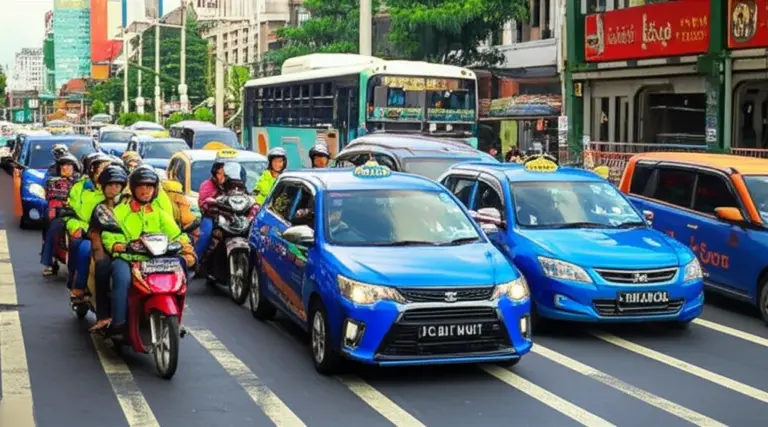
Taxis are a common and relatively comfortable way to get around, especially in larger cities. Blue Bird Group taxis are widely regarded as the most reliable and trustworthy, known for using meters honestly. Always ensure the driver uses the meter or agree on a fare before starting your journey. Avoid unmarked taxis or those that refuse to use a meter, as you might be overcharged. Taxis are ideal for longer distances, group travel, or when carrying luggage.
Ride-Hailing Apps: Gojek and Grab – Your Digital Chauffeurs
Gojek and Grab are indispensable for modern travelers in Indonesia, offering a convenient way for getting around Indonesia. These ‘super apps’ provide services ranging from car and motorbike rides (GoCar/GrabCar, GoRide/GrabBike) to food delivery (GoFood/GrabFood) and even massage services. They operate on a fixed-price model, agreed upon before booking, eliminating the need for haggling. Ensure you have a local SIM card with data to use these apps effectively. Payment can be made with cash or linked credit/debit cards. Always verify the driver’s details and vehicle license plate against the app before getting in. [6, 9]
Angkot: Local Public Minivans for the Adventurous
Angkot are privately operated public minivans that follow specific routes. They are a very affordable and authentic way to experience local life, but they can be confusing for first-time visitors due to unmarked routes and frequent stops. Fares are typically very low, and you pay the driver directly. It’s best to ask locals for guidance on routes and fares if you plan to use angkot.
Ojeks: Motorbike Taxis for Speed and Agility
Traditional ojeks (motorcycle taxis) are found on almost every street corner, identifiable by their drivers often wearing specific colored jackets. They offer a quick way to navigate through traffic, especially in congested areas. While convenient, safety can be a concern, and fares must be negotiated beforehand. Gojek and Grab’s motorbike services (GoRide/GrabBike) offer a more regulated and safer alternative, as they provide helmets and track your journey. [2]
Bike Rentals: Exploring at Your Own Pace
Renting a scooter or motorbike is popular, especially in touristy areas like Bali and Lombok, offering freedom to explore. Prices vary, but typically range from IDR 50,000 to IDR 100,000 per day. Always wear a helmet, possess an international driving permit endorsed for motorcycles, and ensure the bike is in good condition before renting. Be aware of local traffic laws and driving habits, which can be chaotic.
Public Transit: Buses, Trains, and the MRT
Major cities like Jakarta have invested heavily in public transportation. Jakarta boasts the TransJakarta bus rapid transit (BRT) system, a relatively efficient way to travel through dedicated bus lanes. The Jakarta MRT (Mass Rapid Transit) and LRT (Light Rail Transit) offer modern, comfortable, and fast options for specific routes. Inter-city trains connect major cities on Java, offering a scenic and comfortable travel option, especially between Jakarta, Bandung, and Yogyakarta. [3, 4, 5]
Regional Transportation Insights
Jakarta: The Capital’s Comprehensive Network
Jakarta’s transportation system is the most developed in Indonesia. For getting around Indonesia‘s capital, a combination of TransJakarta buses, MRT, LRT, and ride-hailing apps (Gojek/Grab) is recommended. The KRL Commuter Line serves as a crucial link for longer distances within the Greater Jakarta area. Taxis, particularly Blue Bird, remain a reliable choice for direct routes. Traffic can be severe, so plan your journeys, especially during peak hours. [3, 5]
Bali: Island Hopping and Scenic Drives
In Bali, scooters are king for independent exploration. However, for those uncomfortable with motorbikes, Gojek and Grab are widely available and popular, though some local taxi cartels in certain areas may restrict their operation. Taxis are also plentiful. For longer distances or day trips, hiring a private car with a driver is a common and affordable option, offering comfort and flexibility. Public buses are less common and not as convenient for tourists. [7, 9]
Yogyakarta: Culture on Two Wheels or Four
Yogyakarta, Java’s cultural heart, is relatively easy to navigate. Becaks (pedicabs) offer a charming way to explore short distances in the city center. Gojek and Grab are readily available for both car and motorbike services. Renting a scooter is also a popular choice for visiting attractions like Borobudur and Prambanan temples independently. TransJogja, the city’s bus rapid transit system, provides an affordable way to reach major points of interest.
Sumatra: Exploring Vast Landscapes
Sumatra, being a large island, often requires longer-distance travel. In major cities like Medan or Palembang, Gojek and Grab are present, along with local taxis. For inter-city travel, buses are a primary mode, varying in comfort and speed. Private car hires are also an option for exploring national parks or remote areas. Domestic flights are efficient for covering vast distances between key regions on the island.
Essential Tips for Seamless Travel in Indonesia
Safety and Scams
Always prioritize your safety. When using ride-hailing apps, double-check the driver’s identity and vehicle. Be wary of overly aggressive touts at transport hubs. For taxis, stick to reputable companies like Blue Bird. When renting a motorbike, inspect it thoroughly for damage and always wear a helmet. Share your travel plans with someone and use the app’s safety features if available. [2, 9]
Payment Methods and Local Currency
While Gojek and Grab accept cashless payments, having small denominations of Indonesian Rupiah (IDR) is crucial, especially for angkot, traditional ojeks, or cash-only taxi rides. Many drivers might not have change for large bills. ATMs are widely available in cities and tourist areas. [9]
Communication and Language Tips
English is spoken in major tourist areas, but learning a few basic Bahasa Indonesia phrases like ‘Terima kasih’ (Thank you), ‘Berapa harganya?’ (How much is the price?), and ‘Tolong ke…’ (Please go to…) can be very helpful. Showing your destination on a map or having the address written down for drivers is always a good idea.
Embracing the Local Way
Indonesia’s transportation can sometimes be an adventure in itself. Embrace the spontaneity and occasional delays with patience and a sense of humor. Interacting with local drivers can also offer unique insights into the culture and daily life. Enjoy the journey as much as the destination!
คำถามที่พบบ่อย (FAQ)
References
- A Guide to Safe Transport in Jakarta/Indonesia – YouTube
- How to get around Indonesia’s biggest city : Jakarta – Travel tips vlog – YouTube
- Ultimate Guide to Train Travel in Indonesia – YouTube
- Trying Jakarta’s Public Transportation as a Foreigner – YouTube
- How To Use Grab In Indonesia? – Exploring Southeast Asia – YouTube
- GRAB TAXI vs GO-JEK – Ubud Bali – YouTube
- Getting Around Bali Easily: Your Guide to Using Gojek, Grab & Ojeks – Merusaka Nusa Dua
- Getting Around Indonesia: The Ultimate Guide to Transportation Options for Travelers and Expats
- How Indonesia’s transport landscape works — regions, modes, costs, and safety tips for planning your trip
- Getting between cities: domestic flights, trains, long-distance buses, and ferries — schedules, booking tips, and budget vs comfort options