Getting between cities: domestic flights, trains, long-distance buses, and ferries — schedules, booking tips, and budget vs comfort options
- Getting between cities: domestic flights, trains, long-distance buses, and ferries — schedules, booking tips, and budget vs comfort options
- Navigating Indonesia: Your Guide to Intercity Travel
- Domestic Flights: Speed and Reach
- Train Travel: Scenic Routes and Comfort on Java
- Long-Distance Buses: Budget-Friendly and Extensive Networks
- Ferries: Island Hopping and Coastal Connections
- Comparing Your Options: Budget vs. Comfort
- Essential Booking Tips for Indonesia Intercity Travel
- คำถามที่พบบ่อย (FAQ)
- What is the fastest way to travel between islands in Indonesia?
- Is train travel available throughout Indonesia?
- What are the best platforms to book intercity travel in Indonesia?
- Are long-distance buses comfortable in Indonesia?
- How reliable are ferry schedules in Indonesia?
Indonesia, an archipelago nation of over 17,000 islands, offers a mesmerizing tapestry of cultures, landscapes, and experiences for any traveler. Navigating this vast and diverse country effectively requires understanding its intercity transportation options. Whether you’re a budget backpacker or seeking luxurious comfort, mastering Indonesia intercity travel is key to an unforgettable journey. This comprehensive guide will delve into domestic flights, trains, long-distance buses, and ferries, providing schedules, booking tips, and insights into balancing your budget with desired comfort levels. Get ready to explore the ‘Emerald of the Equator’ with confidence and ease.
Indonesia’s geography dictates a varied approach to moving between its many vibrant cities and serene islands. While flights offer speed for long distances, particularly between islands, trains provide a comfortable and scenic experience on Java. Buses are the most budget-friendly and widespread option, connecting many towns and cities, and ferries are indispensable for island hopping. Understanding the nuances of each mode of transport is crucial for planning your itinerary efficiently.
Domestic Flights: Speed and Reach
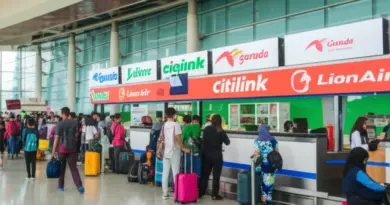
Given Indonesia’s expansive nature, domestic flights are often the quickest and most practical way to cover significant distances, especially when traveling between major islands like Java, Bali, Sumatra, and Sulawesi. Major airlines include Garuda Indonesia (the national carrier), Lion Air, Batik Air, and Citilink. Budget airlines like AirAsia also offer competitive rates for domestic routes. [3]
Booking Tips for Flights:
- Book Early: Especially during peak seasons (e.g., Eid al-Fitr, school holidays), flights can fill up quickly and prices can soar. Booking several weeks or months in advance is advisable.
- Online Travel Agencies (OTAs): Websites like Traveloka and Tiket.com are popular in Indonesia and often offer good deals. They are user-friendly and accept international cards. [4]
- Airline Websites: Sometimes direct bookings on airline websites can yield better prices or special promotions.
- Baggage Allowance: Be mindful of baggage limits, especially on budget carriers, as excess baggage fees can be substantial.
- Airport Transfers: Factor in travel time and cost to/from airports, as some are located far from city centers. [3]
Budget vs. Comfort: Garuda Indonesia and Batik Air offer more comfort with better legroom and services, aligning with higher prices. Lion Air and Citilink are generally more budget-friendly but may have fewer amenities. The choice depends on your priorities and flight duration. Popular routes include Jakarta to Bali (Denpasar), Jakarta to Surabaya, and flights connecting to major tourist hubs like Yogyakarta and Medan. [3]
Train Travel: Scenic Routes and Comfort on Java
Train travel in Indonesia is predominantly concentrated on Java Island, offering a remarkably comfortable, punctual, and scenic way to traverse its landscapes. [4, 7] Kereta Api Indonesia (KAI) operates an excellent network connecting major cities like Jakarta, Bandung, Yogyakarta, Solo, and Surabaya. [3, 7]
| Class | Description | Comfort Level | Price Point |
|---|---|---|---|
| Executive (Eksekutif) | Air-conditioned, reclining seats, ample legroom, often includes power outlets and sometimes a meal. | High | Higher |
| Business (Bisnis) | Air-conditioned, non-reclining seats (often facing each other), less legroom than executive. | Medium | Medium |
| Economy (Ekonomi) | Air-conditioned, sometimes non-reclining bench seats or basic reclining seats. Can be crowded. | Basic | Lowest |
Booking Tips for Trains: Tickets can be purchased at train stations, but it’s highly recommended to book online through the KAI Access app or via platforms like Traveloka and Tiket.com, especially for popular routes and executive class seats. Booking typically opens about 6 weeks in advance. [4, 7] The Jakarta to Yogyakarta route is particularly popular for its views of rice fields and volcanoes. [3]
For a visual experience of Indonesian train travel, check out this video showcasing a modern train journey from Yogyakarta to Jakarta:
Long-Distance Buses: Budget-Friendly and Extensive Networks
Long-distance buses are the backbone of intercity travel for many Indonesians and a great budget option for tourists. They connect a vast number of cities and towns across Java, Sumatra, and Sulawesi, and even offer routes that include ferry crossings to other islands like Bali. [2, 5] Companies like Damri, Pahala Kencana, and Lorena operate these services. [3]
Types of Bus Classes:
- Economy: Basic, non-air-conditioned, often crowded. Best for short distances.
- Executive/VIP: Air-conditioned, reclining seats, sometimes with blankets, snacks, and even onboard toilets. Much more comfortable for longer journeys.
- Sleeper Buses: Increasingly popular on very long routes, offering lie-flat beds.
Booking Tips for Buses: Tickets can be bought directly at bus terminals, but for convenience and better selection, use online platforms like RedBus or Tiket.com. [2, 3] While affordable, bus journeys can be long due to traffic and frequent stops, so bring snacks, water, and entertainment. Buses are particularly useful for exploring regions where train networks are limited, such as Sumatra. [2]
Ferries: Island Hopping and Coastal Connections
For an archipelago like Indonesia, ferries are an essential mode of transport, connecting countless islands and offering a unique perspective of the country’s maritime life. ASDP Indonesia Ferry is the main operator for public car and passenger ferries, while numerous private companies run faster passenger boats. [3]
Popular Ferry Routes:
- Java to Sumatra: Connecting Merak (Java) to Bakauheni (Sumatra).
- Bali to Lombok/Gili Islands: Regular services from Padang Bai or Sanur (Bali) to Lembar (Lombok) or directly to the Gili Islands. [3]
- Inter-island connections: Ferries are crucial for reaching remote islands and for journeys within large island groups like Nusa Tenggara.
Booking and Schedules: For public ferries, tickets are typically purchased at the port on the day of travel. Schedules can be fluid and are subject to weather conditions, so it’s wise to check locally. For faster boats to popular destinations like the Gili Islands, booking in advance through local agents or online platforms is recommended. While slower, ferries offer the most authentic island-hopping experience and are generally very affordable. [3]
Comparing Your Options: Budget vs. Comfort
Choosing the right mode of transport in Indonesia often comes down to a trade-off between cost, speed, and comfort. Here’s a quick summary to help you decide:
| Mode of Transport | Speed | Comfort | Budget | Best For |
|---|---|---|---|---|
| Domestic Flights | Fastest | Medium to High | Highest | Long distances, inter-island travel |
| Trains (Java) | Medium | Medium to High | Medium | Scenic travel on Java, reliable |
| Long-Distance Buses | Slow to Medium | Low to Medium | Lowest | Budget travel, extensive network, regional exploration |
| Ferries | Slowest | Low to Medium | Low | Island hopping, coastal connections |
Essential Booking Tips for Indonesia Intercity Travel
To ensure a smooth Indonesia intercity travel experience, keep these general tips in mind:
- Book in Advance: Especially for flights and executive train classes, booking ahead saves money and guarantees a seat, particularly during peak seasons or holidays. [3, 4]
- Use Reliable Platforms: Stick to official airline/railway websites or reputable OTAs like Traveloka and Tiket.com. [4]
- Check Baggage Allowances: Verify luggage policies for flights and consider ease of handling for other modes of transport.
- Arrive Early: Give yourself plenty of time at airports, train stations, and bus terminals, especially in larger cities.
- Carry Cash: While online payments are common, cash is still king for smaller transactions, especially at bus stations or local ferry ports. [3]
With these tips and an understanding of your options, you’re well-equipped to navigate Indonesia’s diverse transportation landscape and embark on an incredible adventure across its many islands and cities.
คำถามที่พบบ่อย (FAQ)
The fastest way to travel between islands in Indonesia is by domestic flights. Given the vast distances and numerous islands, flying significantly cuts down travel time, especially for routes like Jakarta to Bali or Java to Sumatra. [3]
No, the extensive and well-developed train network in Indonesia is primarily limited to Java Island. While there are some smaller networks on Sumatra, Java offers the most comprehensive and popular train routes for intercity travel. [3, 7]
For domestic flights and train tickets, popular and reliable online travel agencies (OTAs) in Indonesia include Traveloka and Tiket.com. For bus tickets, RedBus is also a widely used platform. These platforms are generally user-friendly and support international payment methods. [2, 4]
The comfort level of long-distance buses varies significantly by class. Executive and VIP buses offer air conditioning, reclining seats, and are generally comfortable for longer journeys. Economy class buses are more basic and less comfortable, often without air conditioning, and are better suited for shorter trips. [3]
Ferry schedules, particularly for public ferries, can be less rigid than other forms of transport and are often subject to weather conditions and operational changes. It’s always best to check schedules locally at the port on the day of travel or contact the ferry operator directly for the most up-to-date information. Faster private boat services to popular tourist islands tend to have more consistent schedules. [3]
References
- Your Guide to Intercity Bus Travel in Indonesia: Where to Grab Your Tickets!
- City-to-City Travel Guide for Tourists in Indonesia – Yamama Travel
- Indonesia Train Travel Made Easy: Your 2025 Guide | Backindo
- Efficient Ways to Navigate Transportation in Indonesia: Tips and Insights
- Train travel in Indonesia | Train times, fares, tickets – The Man in Seat 61
- Getting Around Indonesia: The Ultimate Guide to Transportation Options for Travelers and Expats
- How Indonesia’s transport landscape works — regions, modes, costs, and safety tips for planning your trip
- Getting around within cities and islands: taxis, ride-hailing apps (Gojek/Grab), angkot, ojeks, bike rentals, and public transit tips for Jakarta, Bali, Yogyakarta, and Sumatra