Understanding the Purpose and Cultural Significance of Melasti and Nyepi for Visitors
- Understanding the Purpose and Cultural Significance of Melasti and Nyepi for Visitors
Bali, often called the ‘Island of the Gods’, is renowned for its vibrant culture, stunning landscapes, and deeply spiritual way of life. For those planning a visit, understanding key Balinese Hindu ceremonies like Melasti and Nyepi is essential, especially if your trip coincides with these significant events. These aren’t just spectacles; they are profound expressions of faith and community that offer unique insights into the island’s soul. This guide aims to illuminate the purpose and cultural significance of Melasti and Nyepi for visitors, ensuring a respectful and enriching experience.
The Spiritual Prelude: Melasti Ceremony
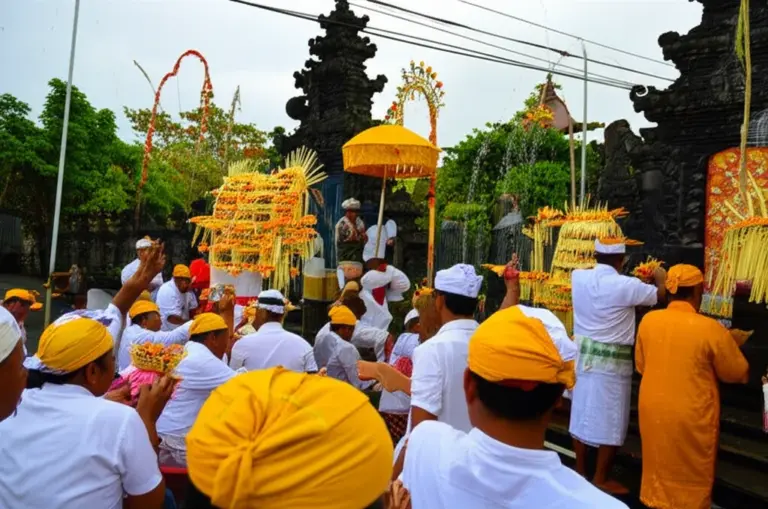
A few days before Nyepi, the Balinese Day of Silence, the island comes alive with the Melasti ceremony. This purification ritual is a visually stunning and spiritually charged event. Its primary purpose is to cleanse the universe and its contents from all spiritual impurities, negative energies, and bad karma accumulated throughout the year. Balinese Hindus believe that sacred objects and temple deities (pratima) must be purified to ensure a clean slate for the upcoming New Year. [2, 4]
What to Expect During Melasti:
Villagers, dressed in traditional white ceremonial attire, form grand processions that wind their way from temples to the nearest water sources – typically beaches, but sometimes lakes or rivers. They carry sacred temple effigies, offering baskets, and colorful parasols. The air fills with the sounds of gamelan music, chants, and prayers as the community collectively seeks purification and the ‘water of life’ (Tirta Amerta) from the ocean. [5, 6]
- Purification: Sacred objects are ritually bathed and cleansed in the holy waters.
- Community: It’s a powerful display of communal devotion and unity.
- Visual Feast: The processions are incredibly photogenic, showcasing Balinese art, culture, and religious fervor.
For visitors, witnessing Melasti offers a unique glimpse into the heart of Balinese spirituality. It’s crucial to observe respectfully, dress modestly (shoulders and knees covered), and avoid obstructing the processions. [3, 4]
Nyepi: The Day of Silence
Nyepi, the Balinese Day of Silence, is arguably the most unique and impactful Hindu New Year celebration in the world, observed meticulously across Bali. Falling on the day after the new moon in March (Balinese Saka calendar), it is a day of absolute silence, fasting, and meditation. The island completely shuts down for 24 hours, from 6 AM to 6 AM the following day. [8, 10]
The Four Bhavana Amati (Prohibitions):
- Amati Geni (No Fire/Light): This includes no electricity, no cooking, and no open flames. Hotels will typically use minimal, dimmed lighting. [10, 13]
- Amati Karya (No Work): All daily activities cease.
- Amati Lelungan (No Travel): Everyone must stay indoors. The airport closes, roads are empty, and even cellular data might be restricted in some areas. [12]
- Amati Lelanguan (No Entertainment/Pleasure): Activities like watching TV, listening to loud music, or any form of leisure are prohibited. [8]
The profound purpose of Nyepi is self-reflection, meditation, and spiritual cleansing. It’s believed that the silence and stillness trick evil spirits into thinking Bali is uninhabited, thus leaving the island. For Balinese Hindus, it’s a day to purify the self and connect with God (Hyang Widhi Wasa) through introspection. [8, 10]
How Nyepi Affects Visitors
For Melasti and Nyepi for visitors, the Silent Day is a unique experience. All shops, restaurants, and public services are closed. The airport is shut down for 24 hours, meaning no flights arrive or depart. Tourists are expected to remain within their hotel premises. While hotels continue to operate, usually providing meals and in-house entertainment, guests are generally asked to keep noise levels down and lights minimal, especially visible from outside. [12, 13]
Important Tips for Nyepi:
- Book Accommodation: Ensure your hotel provides full board as you cannot leave to buy food.
- Internet/Phone: Be prepared for limited or no internet/cellular service. Download movies, books, or games beforehand.
- Lights: Keep lights low and curtains drawn, especially at night.
- Noise: Maintain a quiet demeanor.
- Pecalang: Traditional Balinese security men (Pecalang) patrol the streets to ensure the rules are followed. Respect their authority. [8]
Beyond the Silence: Ngembak Geni
The day after Nyepi is called Ngembak Geni, meaning ‘lighting the fire’. This marks the end of the silence. Balinese people typically visit family and friends, exchanging apologies and good wishes for the New Year. Life on the island slowly returns to its usual vibrant pace. It’s a day of forgiveness and renewal, reinforcing community bonds. [10]
The Ogoh-Ogoh Parade: A Night of Exorcism (Pengerupukan)
On the eve of Nyepi, after the Melasti ceremony and usually before sunset, Bali explodes with noise and activity during the Pengerupukan ritual, featuring the spectacular Ogoh-Ogoh parades. These are giant, often terrifying, papier-mâché effigies depicting demons (Bhuta Kala) or evil spirits. [10, 12]
Youth groups from each banjar (community ward) spend weeks constructing these intricate figures. During the parade, the Ogoh-Ogoh are paraded through the streets, accompanied by loud gamelan music, torches, and joyous shouts. The aim is to awaken and then banish evil spirits from the island. At the end of the parade, most Ogoh-Ogoh are ceremoniously burned, symbolizing the destruction of evil and purification before the silence of Nyepi. [10, 12]
Witnessing the Ogoh-Ogoh parade is a stark contrast to the quiet of Nyepi and a thrilling cultural experience. It showcases the Balinese belief in the balance between good and evil and their active efforts to maintain harmony. For Melasti and Nyepi for visitors, this provides a complete picture of the spiritual preparations.
Conclusion: Respectful Engagement with Balinese Culture
Melasti and Nyepi are not merely holidays; they are fundamental pillars of Balinese Hindu life, deeply rooted in spiritual devotion and communal harmony. For visitors, these periods offer an unparalleled opportunity to observe and understand the island’s unique spiritual rhythm. By approaching these ceremonies with respect, an open mind, and adherence to local customs, tourists can transform their trip into a profoundly enriching cultural immersion, gaining a deeper appreciation for Bali’s enduring traditions. Embrace the chance to experience the island’s vibrant devotion and its profound silence, understanding that both are integral to the Balinese way of life.
คำถามที่พบบ่อย (FAQ)
References
- Melasti Ceremony in Bali – Purification and Preparation for Nyepi
- Melasti Ceremony: What, When, and Its Purpose – The Tropical Door Blogs
- Melasti Ceremony, A Sacred Balinese Tradition of Purification – Balipura
- Bali Melasti Festival: The Biggest Cleansing and Purification Ceremony
- Melasti, The Biggest Religious Ceremony In Bali – Visitbali
- I EXPERIENCED BALI’S SILENT DAY | NYEPI 2022 – YouTube
- Bali’s Day of Silence – What is Nyepi and why does it happen? – YouTube
- What is Nyepi in Bali? Foreigners experience Nyepi for the first time – YouTube
- NYEPI Bali’s Day of Total Silence – YouTube
- Tourists Are Stunned! Melasti Ceremony, Bali Water Ritual – The Tunjung Boutique Resort