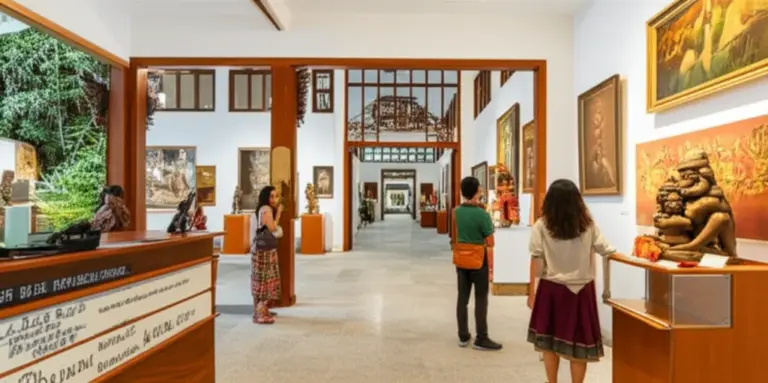
Top Museums and Galleries in Ubud: What to See, Ticket Tips, and Must-see Collections for Art Enthusiasts
- Top Museums and Galleries in Ubud: What to See, Ticket Tips, and Must-see Collections for Art Enthusiasts
Ubud, often hailed as the cultural heart of Bali, is a destination that captivates not just with its lush rice paddies and spiritual ambiance, but also with its profound artistic heritage. For any art enthusiast visiting Indonesia, exploring the Ubud Museums and Galleries is non-negotiable. These institutions serve as vital custodians of Balinese history, showcasing everything from ancient traditional paintings to contemporary international masterpieces. This guide provides an in-depth look at the top museums, offering crucial ticket tips, and highlighting the must-see collections that define Ubud’s vibrant art scene.
The Cultural Heart of Bali: Why Ubud is an Art Haven
Ubud’s unique position as a haven for artists began in the 1930s when European artists like Walter Spies and Rudolf Bonnet settled here. Their influence encouraged local artists to move beyond traditional, purely religious art forms and explore new techniques, perspectives, and subjects. This fusion of indigenous talent and Western influence created the distinctive “Young Artists” style, which is preserved and celebrated across many of the area’s key institutions. These cultural institutions are fundamental to understanding the island’s soul.
Essential Stops: The Must-Visit Ubud Museums
While countless smaller galleries line the streets, three major museums form the backbone of the cultural experience in Ubud, offering diverse collections that cater to all tastes.
1. Neka Art Museum: A Chronicle of Balinese Art
Founded by Balinese art collector Suteja Neka, this museum provides perhaps the most comprehensive overview of Balinese painting styles, chronicling the evolution from traditional Kamasan style to contemporary works. It is an excellent place to start your exploration of Ubud Museums and Galleries.
- Must-See Collection: The collection of foreign artists who lived and worked in Bali, including Arie Smit and Donald Friend, demonstrating the cross-cultural exchange that shaped modern Balinese art.
- Location Tip: Situated slightly west of central Ubud, easily accessible by scooter or taxi.
2. Agung Rai Museum of Art (ARMA): Blending Culture and Nature
ARMA is more than just a museum; it is a cultural complex set within beautiful gardens. It specializes in classical and contemporary Balinese art, alongside a notable collection of works by Balinese artists who trained overseas. The museum also hosts cultural performances and workshops, making it a truly immersive experience.
3. Museum Puri Lukisan: The Pioneer of Modern Balinese Art
Located right in the heart of Ubud, Museum Puri Lukisan (Palace of Paintings) was the first art museum established in Bali specifically for the preservation and exhibition of modern Balinese art. It focuses heavily on the Pitamaha association, which was instrumental in guiding artists during the pivotal 1930s art movement.
For the Eccentric: The Blanco Renaissance Museum
A visit to the Blanco Renaissance Museum offers a stark contrast to the historical focus of the other major institutions. Housed in the picturesque former home and studio of the eccentric Spanish artist Don Antonio Blanco, this museum is a flamboyant tribute to the artist’s life and his love for Bali, particularly his Balinese wife. The works are highly stylized, often featuring sensual portraits and vibrant colors.
Practical Tips for Visiting Ubud’s Art Institutions
Planning your trip efficiently ensures you maximize your time enjoying the art, rather than waiting in lines or dealing with logistics.
Ticket Pricing and Best Time to Visit
Ticket prices for major Ubud Museums and Galleries typically range between IDR 50,000 to IDR 100,000 (approximately $3-$7 USD). Most museums are open daily from 9:00 AM to 5:00 PM. The best time to visit is immediately after opening (9:00 AM to 11:00 AM) to avoid the mid-day heat and large tour groups.
| Museum | Approx. Price (IDR) | Focus |
|---|---|---|
| Neka Art Museum | 50,000 | Balinese Art Evolution |
| ARMA | 100,000 | Culture & Performance |
| Puri Lukisan | 85,000 | Modern Balinese Pioneers |
Ubud is sprawling, and while Puri Lukisan is central, ARMA and Neka require transportation. Renting a scooter is common but requires caution. Alternatively, hiring a local driver for half a day is a comfortable and cost-effective way to visit multiple cultural sites.
Must-See Collections and Artistic Styles
Beyond the main permanent collections, look out for specific styles that define the region:
- The Kamasan Style: Found mostly in Puri Lukisan, these are traditional narrative paintings, often depicting episodes from the Ramayana or Mahabharata, characterized by flat figures and intricate detailing, typically done on cloth.
- The Ubud Style: Developed after the 1930s contact with Western artists, featuring more naturalistic depictions of daily life—market scenes, rice planting, and ceremonies—using lighter colors and perspective.
- Contemporary Indonesian Art: ARMA and Neka often feature galleries dedicated to modern Indonesian artists addressing social and political themes, showcasing the nation’s diverse artistic voices.
Visiting the museums and galleries in Ubud is an essential part of the Bali experience. It offers a crucial window into the island’s soul, demonstrating how tradition seamlessly merges with innovation. By focusing on these key institutions and following these practical tips, art enthusiasts can ensure a rich and rewarding cultural immersion.
คำถามที่พบบ่อย (FAQ)
Is the art in Ubud mainly traditional or contemporary?
Ubud’s art scene is characterized by a blend of both. Major museums like Neka and ARMA expertly showcase the historical transition from traditional religious art (Kamasan style) to modern movements influenced by Western techniques, alongside galleries dedicated solely to contemporary Indonesian works.
How much time should I allocate to visit the main Ubud Museums and Galleries?
To fully appreciate the three main museums (Neka, ARMA, and Puri Lukisan), you should allocate a minimum of 1.5 to 2 hours per museum. A dedicated full day is recommended if you plan to include the Blanco Museum and several smaller galleries.
Are the museums in Ubud suitable for children?
Yes, most museums are family-friendly. ARMA, in particular, with its expansive gardens and frequent cultural events, offers a more interactive and pleasant environment for younger visitors. The historical context offered by the art can also be a valuable educational experience.
Can I buy original Balinese art in Ubud?
Absolutely. Many reputable galleries and art shops operate alongside the major museums. It is always best to purchase from established galleries or directly from artists’ studios to ensure authenticity and fair pricing. The museums themselves often have gift shops selling high-quality prints and crafts.
References
- Neka Art Museum Official Website
- Agung Rai Museum of Art (ARMA) Cultural Programs
- Indonesia Tourism Board Cultural Guide
- Ubud for Art Lovers: Ultimate Guide to Museums, Dance Performances, and Artist Villages in Bali
- Why Ubud Is Bali’s Cultural Heart: Overview of Art Scenes, Best Times To Visit, and How To Plan Your Trip
- Traditional Dance and Performance Calendar: Where to Experience Legong, Kecak, and Contemporary Shows in Ubud