What to pack and prepare for crater hikes and extreme conditions: clothing, safety gear, permits, guides, and altitude/volcanic risk precautions
- What to pack and prepare for crater hikes and extreme conditions: clothing, safety gear, permits, guides, and altitude/volcanic risk precautions
- The Allure and Challenge of Indonesia’s Volcanic Peaks
- Essential Clothing: Dressing for Dynamic Conditions
- Crucial Safety Gear: Beyond the Basics
- Navigating Logistics: Permits, Guides, and Regulations
- Mitigating Risks: Altitude and Volcanic Activity
- Your Comprehensive Packing Checklist for Crater Hikes in Indonesia
- คำถามที่พบบ่อย (FAQ)
Indonesia, an archipelago blessed with breathtaking natural beauty, is home to some of the world’s most active and awe-inspiring volcanoes. For adventure enthusiasts, undertaking a crater hike Indonesia preparation is an unforgettable experience, offering panoramic views, unique geological formations, and the thrill of standing on the edge of a living earth. However, these expeditions often involve extreme conditions, from freezing temperatures at high altitudes to exposure to volcanic gases. Proper planning, packing, and understanding the inherent risks are not just recommendations; they are vital for a safe and enjoyable journey.
The Allure and Challenge of Indonesia’s Volcanic Peaks
Indonesia sits on the Pacific Ring of Fire, a horseshoe-shaped belt of volcanoes and seismic activity. This geological dynamism has gifted the country with stunning volcanic landscapes, each with its own unique charm and challenges. Popular destinations like Mount Rinjani in Lombok, Ijen Crater in East Java, and Mount Bromo in East Java draw thousands of tourists annually. While incredibly rewarding, these hikes demand respect for nature’s power and thorough preparation.
Popular Crater Destinations
- Mount Rinjani, Lombok: Indonesia’s second-highest volcano, offering multi-day treks to its summit and a stunning crater lake. Known for its challenging ascents and diverse ecosystems.
- Ijen Crater, East Java: Famous for its mesmerizing blue flames (visible at night) and the arduous trek down into the crater to witness sulfur mining. Requires gas masks due to strong sulfur fumes.
- Mount Bromo, East Java: Part of the Bromo Tengger Semeru National Park, known for its iconic sunrise views over a surreal volcanic landscape. Less strenuous but still requires early starts and appropriate gear for cold mornings.
Essential Clothing: Dressing for Dynamic Conditions
The weather on Indonesian volcanoes can change dramatically, from hot and humid at the base to freezing and windy at the summit. Layering is key to adapting to these fluctuations and is a critical component of your crater hike Indonesia preparation.
Layering for Success
- Base Layer (Moisture-Wicking): Opt for synthetic materials (polyester, polypropylene) or merino wool. These fabrics pull sweat away from your body, keeping you dry and preventing hypothermia. Avoid cotton, which absorbs moisture and stays wet.
- Mid-Layer (Insulation): Fleece jackets or lightweight down jackets are excellent choices. They provide warmth by trapping air and can be easily added or removed.
- Outer Layer (Waterproof & Windproof): A high-quality waterproof and windproof jacket (e.g., Gore-Tex or similar) is essential to protect against rain, strong winds, and volcanic ash. Waterproof pants are also highly recommended.
Footwear: Your Foundation for the Trek
Sturdy, broken-in hiking boots with good ankle support and waterproof features are non-negotiable. The terrain can be rocky, slippery, and uneven. Bring several pairs of moisture-wicking hiking socks (wool or synthetic) to prevent blisters.
Headwear, Handwear, and Socks
- Warm Hat/Beanie: Crucial for retaining body heat, especially during cold pre-dawn summit pushes.
- Gloves: Protect hands from cold and provide grip on rocky surfaces.
- Extra Socks: A fresh pair can make a huge difference in comfort and blister prevention.
Crucial Safety Gear: Beyond the Basics
Beyond clothing, specific gear is essential for safety, navigation, and emergency preparedness during a crater hike Indonesia preparation.
- Headlamp with Extra Batteries: Absolutely critical for pre-dawn starts and navigating in the dark. A powerful beam is recommended.
- Map and Compass/GPS Device: Even with a guide, understanding your route and having backup navigation is wise. Download offline maps on your phone.
First Aid and Emergency Supplies
- Personal First Aid Kit: Include bandages, antiseptic wipes, pain relievers, blister treatment, any personal medications, and rehydration salts.
- Power Bank: For charging your phone and headlamp, as outlets are non-existent on the mountains.
- Whistle: For signaling in emergencies.
Protection from Volcanic Hazards
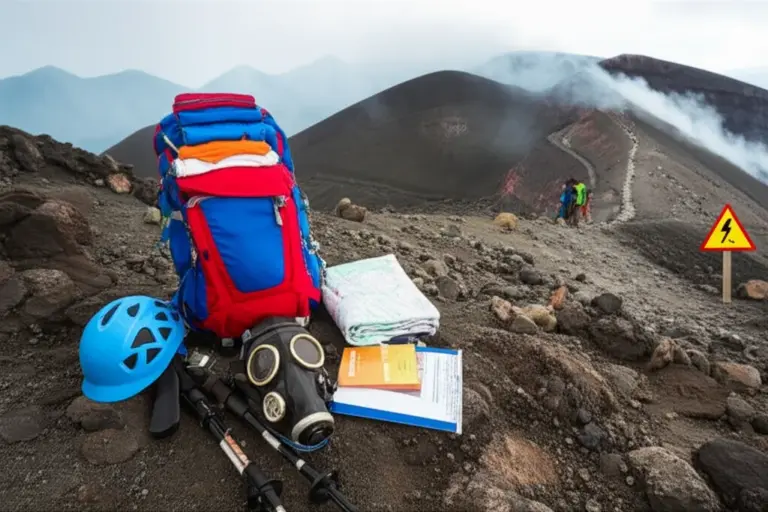
- Gas Mask/Respirator (for Ijen): Essential for Ijen Crater due to high concentrations of sulfur dioxide. Some tours provide these, but having your own good quality one is safer.
- Protective Goggles: To shield eyes from volcanic ash and fumes.
Hydration and Nutrition
- Sufficient Water: Carry at least 2-3 liters, more for longer treks. Consider a water filter or purification tablets if refilling from natural sources.
- High-Energy Snacks: Nuts, dried fruit, energy bars, and chocolate provide crucial fuel.
Trekking Poles
Highly recommended for stability on uneven terrain, reducing strain on knees during descents, and providing balance on slippery or steep sections.
For a smooth and legal crater hike Indonesia preparation, understanding local requirements is crucial.
The Importance of Certified Guides
For many major volcano treks, like Rinjani, hiring a certified local guide and porters is mandatory and highly advisable. They possess invaluable knowledge of the terrain, weather patterns, and local culture. They also handle logistics like camping equipment, food, and permits, ensuring a safer and more enriching experience. Always book through reputable agencies.
Obtaining Permits and Fees
Most national parks and protected volcanic areas require permits. These fees contribute to conservation efforts and trail maintenance. Often, your guide or tour operator will arrange these for you. Ensure they are legitimate and keep a copy of your permit.
Understanding Local Regulations
Volcanic activity levels can change. Always check the current status of the volcano you plan to hike. Local authorities (e.g., BMKG for Indonesia) provide real-time updates. Respect closures and warnings. Littering is strictly prohibited, and many areas encourage a ‘leave no trace’ philosophy.
Mitigating Risks: Altitude and Volcanic Activity
These are the two primary natural hazards to be aware of during your crater hike Indonesia preparation.
Understanding Altitude Sickness and Acclimatization
Many Indonesian volcanoes reach elevations where altitude sickness can occur (above 2,500 meters or 8,000 feet). Symptoms include headache, nausea, dizziness, and fatigue. To minimize risk:
- Ascend slowly, allowing your body to acclimatize.
- Stay well-hydrated.
- Consider spending a night at a moderate elevation before attempting a high summit.
- Consult a doctor about medication like Diamox if you have concerns.
If symptoms worsen, descend immediately.
Volcanic Risk Assessment and Emergency Protocols
While eruptions are typically preceded by warnings, conditions can change rapidly. Your guide will be the primary source of information and safety protocol. Pay attention to pre-trek briefings. In the event of an unexpected increase in activity:
- Follow your guide’s instructions immediately.
- Use your gas mask and goggles if volcanic gases or ash are present.
- Move quickly and calmly to designated safe zones or lower elevations.
Your Comprehensive Packing Checklist for Crater Hikes in Indonesia
To summarize your crater hike Indonesia preparation, here’s a checklist to ensure you have all essentials:
| Category | Item | Notes |
|---|---|---|
| Clothing | Moisture-wicking base layers | Long-sleeve top and bottom (synthetic/merino) |
| Insulating mid-layer | Fleece jacket or lightweight down jacket | |
| Waterproof & windproof outer shell | Jacket and pants (Gore-Tex or similar) | |
| Hiking pants/shorts | Quick-drying, durable material | |
| Warm hat/beanie | Covers ears | |
| Gloves | Warm, preferably waterproof | |
| Hiking socks | Several pairs, moisture-wicking (wool/synthetic) | |
| Footwear | Sturdy, waterproof hiking boots | Broken-in, good ankle support |
| Safety Gear | Headlamp with extra batteries | Powerful beam for dark trails |
| Personal First Aid Kit | Blister treatment, pain relievers, antiseptics, personal meds | |
| Gas mask/respirator & goggles | Essential for Ijen Crater (check tour inclusion) | |
| Sunscreen & lip balm (SPF) | High altitude sun is intense | |
| Insect repellent | For lower elevations | |
| Whistle | Emergency signaling | |
| Hydration/Food | Water bottles/hydration bladder | Min 2-3 liters capacity |
| High-energy snacks | Nuts, energy bars, dried fruit | |
| Navigation | Map & compass/GPS device | Offline maps on phone as backup |
| Other Essentials | Trekking poles | Highly recommended for stability |
| Small backpack (daypack) | For essentials during the hike | |
| Power bank & charging cables | For electronics | |
| Plastic bags | For trash and wet clothes | |
| Personal toiletries & small towel | Biodegradable options preferred | |
| Cash (IDR) | For small purchases or tips | |
| Passport/ID & travel insurance details | Important documents |
Embarking on a crater hike in Indonesia is an adventure that promises unparalleled natural beauty and a profound connection with nature. By meticulously planning your crater hike Indonesia preparation, focusing on appropriate clothing, essential safety gear, understanding local logistics, and respecting the inherent risks of altitude and volcanic activity, you set the stage for a safe, responsible, and truly unforgettable experience. Remember, the mountain will always be there; your safety is paramount. Happy trekking!
คำถามที่พบบ่อย (FAQ)
Q1: Is it safe to hike volcanoes in Indonesia?
A1: While volcanoes inherently carry risks, many Indonesian volcanoes are regularly monitored, and trails are opened or closed based on activity levels. It is generally safe if you hike with a certified guide, adhere to official warnings, and come well-prepared with appropriate gear and knowledge of precautions. Always check the current alert level before your trip.
Q2: Do I need a guide for all crater hikes in Indonesia?
A2: For major multi-day treks like Mount Rinjani, a certified local guide and porters are often mandatory and strongly recommended for safety and logistical support. For less strenuous or shorter hikes like parts of Mount Bromo, a guide might be optional but can still enhance your experience and safety, especially if you are unfamiliar with the area.
Q3: What is the best time of year to hike volcanoes in Indonesia?
A3: The dry season, typically from April to October, is generally considered the best time for volcano trekking in Indonesia. During these months, the weather is more stable, with less rain and clearer skies, which improves trail conditions and visibility. The rainy season (November to March) can make trails slippery and dangerous, and some parks may close.
Q4: How do I prepare for altitude sickness?
A4: To minimize the risk of altitude sickness, ascend gradually, if possible, allowing your body time to acclimatize. Stay well-hydrated by drinking plenty of water, avoid alcohol and caffeine, and ensure you get enough rest. If symptoms like severe headache, nausea, or dizziness occur, descend to a lower elevation immediately. Consulting your doctor about medication like Diamox before your trip is also an option.
References
- World Nomads: Volcano Safety Tips in Indonesia
- Mount Rinjani National Park Official Site
- Ijen Crater Information
- Sunrise Treks at Mount Bromo and Ijen: Ultimate Two-Volcano Itinerary, Timing, and Logistics for an Unforgettable Trip
- How to choose the best route and duration for a combined Bromo-Ijen trip (1-day vs 2-day vs 3-day itineraries) to match fitness, budget, and season
- Detailed timing and transportation options: sunrise schedules, transfer times, jeep/van bookings, public transport, and tips to avoid crowds