Volcano Chasing in North Sulawesi: Ultimate Day-Hike Guide to Mahawu, Lokon, and Soputan
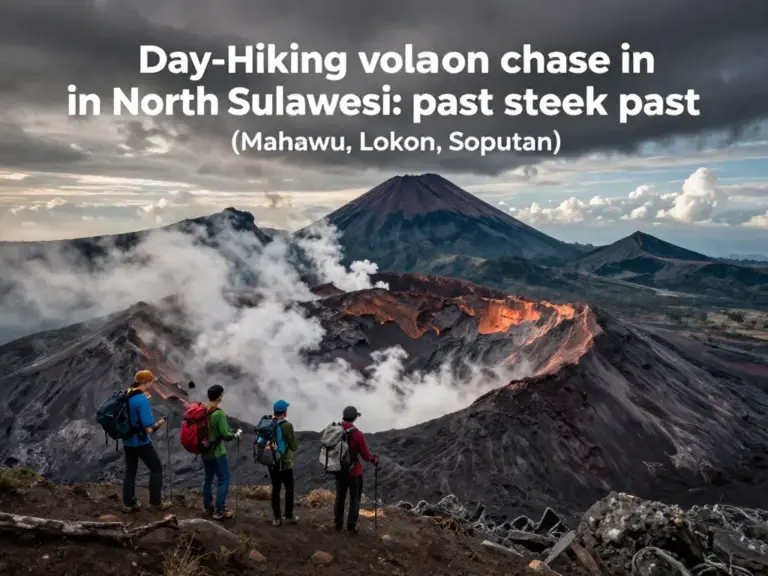
North Sulawesi is a land defined by the raw power of the Ring of Fire. For adventure seekers, volcano chasing in North Sulawesi offers a unique opportunity to stand on the rim of active craters, witness steaming fumaroles, and gaze across lush landscapes. Unlike the grueling multi-day treks of Java or Lombok, the highlands around Tomohon provide accessible yet breathtaking day-hikes. This guide covers the ‘Big Three’: Mount Mahawu, Mount Lokon, and Mount Soputan.
Mount Mahawu: The Perfect Entry-Level Crater
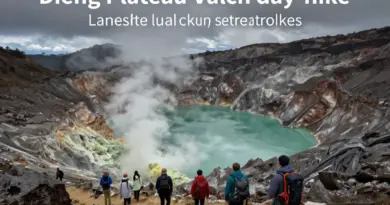
If you are looking for maximum reward with minimum effort, Mount Mahawu is your first stop. Located near Tomohon, this stratovolcano features a wide, easily accessible rim. A paved path and stairs lead almost to the top, making it a favorite for families and casual hikers. Once at the summit, you are greeted by a 180-meter deep crater, often filled with a turquoise acidic lake and wisps of sulfurous steam. From the observation deck, the panoramic views of the Bunaken Marine Park in the distance and the neighboring Mount Lokon are unparalleled.
Mount Lokon: The Active Giant
For those craving a more rugged experience, volcano chasing in North Sulawesi must include Mount Lokon. Standing at 1,580 meters, Lokon is one of the most active volcanoes in the region. The hike typically follows a dried-up riverbed made of volcanic rock and ash. Unlike Mahawu, the trail to the Tompaluan crater (the active vent located in the saddle between Lokon and Empung) is rocky and steep. The landscape here is primordial; the absence of vegetation near the vent highlights the mountain’s volatile nature. The smell of sulfur and the sound of the earth breathing make this a visceral experience.
| Feature | Mount Mahawu | Mount Lokon |
|---|---|---|
| Difficulty | Easy | Moderate |
| Hike Duration | 15-20 Minutes | 2-3 Hours |
| Terrain | Paved Stairs | Riverbed & Rocks |
Mount Soputan: The Wild Frontier
Located further south from Tomohon, Mount Soputan is the crown jewel for serious hikers. It is one of Sulawesi’s most photogenic volcanoes, characterized by its perfect cone and vast fields of volcanic sand. Reaching the base often requires a 4WD vehicle or a long trek through pine forests. The final ascent involves scrambling up steep volcanic ash slopes—a challenging ‘two steps forward, one step back’ endeavor. However, the view from the top, overlooking the Minahasa highland and the smoking crater, is a life-changing sight for any enthusiast of Indonesia tourism.
Hiking Preparation and Logistics
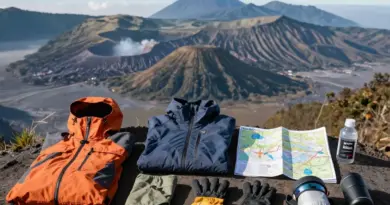
To make the most of your adventure, base yourself in the town of Tomohon. The cooler climate here is perfect for trekking. Ensure you carry at least 2 liters of water, wear sturdy hiking boots, and bring a windbreaker, as summit temperatures can drop significantly. Hiring a local guide is highly recommended, especially for Lokon and Soputan, to navigate the changing terrain and ensure safety regarding volcanic gases.
คำถามที่พบบ่อย (FAQ)
Q1: Is it safe to hike these volcanoes?
A1: Safety depends on the current activity level. Mount Mahawu is generally safe, while Lokon and Soputan are frequently restricted if alert levels rise. Always check with the PVMBG (Center for Volcanology and Geological Hazard Mitigation).
Q2: What is the best time of year for volcano chasing in North Sulawesi?
A2: The dry season, from May to September, offers the best visibility and safer trail conditions.
Q3: Do I need a permit to hike?
A3: While formal permits aren’t always required for Mahawu, you should register at local posts or with your guide for Lokon and Soputan for safety tracking.
References
Wonderful Indonesia Official Tourism Portal
MAGMA Indonesia – Volcanic Activity Reports