Step-by-step temple etiquette: entry procedures, behavior during rituals, photography do’s and don’ts, and interacting with clergy
- Step-by-step temple etiquette: entry procedures, behavior during rituals, photography do’s and don’ts, and interacting with clergy
- Understanding Indonesian Temple Culture
- Entry Procedures: Your First Steps
- Behavior During Rituals and Worship
- Photography Do’s and Don’ts
- Interacting with Clergy and Local Worshippers
- Essential Tips for a Respectful Visit
- คำถามที่พบบ่อย (FAQ)
- Do I always need to wear a sarong and sash when visiting temples in Indonesia?
- Can women visit temples during menstruation in Indonesia?
- Is it okay to take photos during ceremonies?
- What is the significance of not pointing my feet towards altars or people?
Indonesia, often referred to as the “Emerald of the Equator,” is a land rich in spiritual heritage, boasting thousands of temples that stand as testaments to its diverse cultures and faiths. For tourists eager to explore these sacred sites, understanding and adhering to proper temple etiquette Indonesia is not just a matter of rules, but a profound way to show respect for local traditions and beliefs. This comprehensive guide will walk you through every aspect of visiting Indonesian temples, from how to dress and enter, to respectful behavior during ceremonies, appropriate photography, and thoughtful interactions with clergy. By following these guidelines, your visit will be not only enriching but also a positive contribution to the preservation of these cherished cultural treasures.
Understanding Indonesian Temple Culture
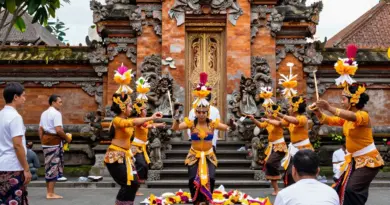
Indonesia’s spiritual landscape is incredibly varied, encompassing Hindu temples (Pura) predominantly in Bali, Buddhist temples (Candi) like Borobudur and Prambanan in Java, and various other places of worship across the archipelago. While specific customs may vary slightly between regions and faiths, the underlying principle remains the same: respect for the sacred. These sites are living centers of spirituality, where daily rituals and ceremonies are performed, and deities are honored. Engaging with these sites respectfully enhances your experience and honors the local community. [5]
Diversity of Temples
From the intricate Hindu Puras of Bali, such as Tanah Lot and Besakih, to the magnificent Buddhist stupas of Borobudur and the towering Hindu structures of Prambanan in Java, each temple tells a unique story. Balinese Hinduism, in particular, emphasizes a deep connection with nature and spirits, often seen in the daily offerings (Canang Sari) placed everywhere. [12, 14] Recognizing this diversity helps in appreciating the nuanced practices you might encounter.
Why Etiquette Matters
Adhering to proper etiquette prevents unintentional offense and fosters harmony between visitors and locals. [5] It demonstrates your appreciation for their culture and values, transforming a simple sightseeing trip into a meaningful cultural exchange. [7] Ignoring these customs can lead to misunderstandings and disrespect, as seen in past incidents involving tourists. [6, 12]
Entry Procedures: Your First Steps
Before you even step foot into a temple, there are crucial entry procedures to observe. These often involve specific dress codes and health-related restrictions, all designed to maintain the sanctity of the holy site.
Dress Code: Modesty is Key
Modest attire is paramount. For both men and women, this means covering your shoulders and knees. [3, 4, 5, 7, 10, 12, 14, 15, 18] In Balinese temples (Pura), it is mandatory to wear a sarong (kain) and a sash (selendang). [3, 5, 7, 8, 9, 10, 12, 13, 14, 18] These are often available for rent or provided at the temple entrance for a small fee. [3, 4, 9, 12, 14, 15, 18] Ensure your sarong covers your legs completely without revealing any skin underneath. [6] Avoid singlets, tank tops, or revealing clothing. [3, 4, 6, 7, 12, 13]
Footwear
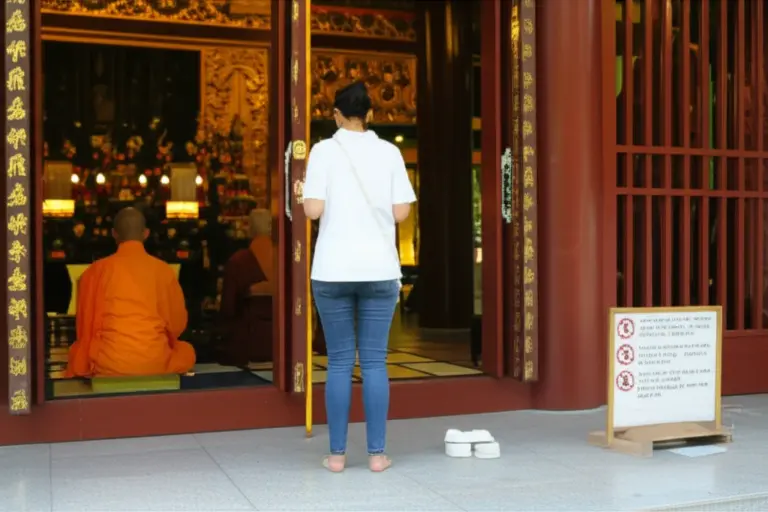
At many temples, particularly in Bali, you will be required to remove your shoes before entering certain sections, especially the inner sanctums. [4, 10, 18] Follow the lead of locals or look for signs indicating shoe removal areas. This practice signifies humility and cleanliness. [4, 16]
Restrictions for Visitors
Certain conditions are considered impure, and individuals in these states are traditionally prohibited from entering temples. This is a deeply rooted tradition that visitors are expected to respect. [5, 14] These restrictions typically include:
- Women who are menstruating or have recently given birth (within 6 weeks). [2, 5, 11, 13, 14, 18]
- Individuals with open wounds or bleeding. [2, 10, 18]
- Anyone in a state of mourning (if a close family member has passed away within the last 3 days). [2]
- Some specific temples may have unique rules, such as prohibiting children with milk teeth. [2]
Offerings (Canang Sari)
In Bali, you’ll frequently see small, intricate offerings called Canang Sari placed on the ground. These are daily offerings made to the gods as a sign of gratitude and to appease spirits. [14] It is crucial to be mindful and avoid stepping on them. [2, 5, 14, 15] If you accidentally do, discretely apologize. [2]
Behavior During Rituals and Worship
Once inside, your behavior should reflect the sacredness of the surroundings. Temples are not just historical sites but active places of devotion. [5]
Observing Respectfully
If a ceremony is taking place, observe quietly from a respectful distance. [5, 16] Do not interrupt or walk in front of worshippers or priests. [5, 16] Remember, they are performing their spiritual duties, not putting on a show for tourists. [4]
Maintaining Silence and Calm
Keep your voice low and avoid loud conversations or shouting. [4, 6, 15, 16] Put your mobile phone on silent mode to prevent disruptions. [4, 6, 16] The goal is to maintain a serene atmosphere conducive to worship and meditation. [8]
Seating and Posture
Be mindful of your body posture. Never sit higher than a priest (pemangku) or the offerings. [2, 4, 6, 18] Avoid pointing your feet towards the altar, holy objects, or other worshippers, as feet are considered unclean. [2, 3, 4, 10, 16, 18] Instead, sit cross-legged or kneel with your feet tucked back. [2, 3, 4, 6, 16, 18]
Walking Path
In many Balinese ceremonies, there’s a tradition of moving in a clockwise direction. Observe locals and follow their lead if you are part of a procession or moving around a sacred space.
Photography Do’s and Don’ts
Capturing the beauty of Indonesian temples is tempting, but it’s essential to do so respectfully. [4]
Seeking Permission
Always ask for permission before taking photos of people, especially during ceremonies or if you wish to photograph a priest. [4, 5, 6] A simple gesture or verbal request is usually appreciated. [6]
Avoiding Disruptions
Do not use flash photography inside temples, especially during ceremonies, as it can be highly disruptive and disrespectful. [4, 6] Be discreet and avoid blocking pathways or views for others. [5, 18] Some areas may be designated as no-photography zones, so always look for signs. [8, 11]
Respecting Privacy and Sacredness
Avoid posing inappropriately or in a disrespectful manner (e.g., yoga poses, lifting sarongs to expose legs) at sacred sites. [6, 11, 13] Remember the sanctity of the place. [6] Do not climb on temple structures or statues for photos. [6, 11, 13, 14, 15]
Interacting with Clergy and Local Worshippers
Engaging with local people can be a highlight of your trip. Do so with courtesy and an open heart.
Greeting Customs
A warm smile and a polite greeting are always appreciated. [7, 12] When giving or receiving something, always use your right hand, as the left is considered impolite or unclean. [14, 16] If you must use both hands, ensure your right hand is more prominent. [14]
Asking Questions Respectfully
If you have questions, approach a local or a guide respectfully. They are often happy to share insights into their culture. [12] Be patient and listen attentively.
Accepting Blessings
If you are invited to participate in a blessing or ceremony, accept gracefully. Follow the instructions given by the priest or local guide. [3, 15] This is a profound gesture of inclusion.
Donations
Many temples rely on donations for maintenance. [5] If there is a donation box, contributing a small amount is a thoughtful way to show your appreciation and support the preservation of the site.
Essential Tips for a Respectful Visit
Beyond specific rules, adopting a general attitude of mindfulness and respect will ensure a positive experience for everyone.
Observe and Learn
Pay attention to what locals are doing and try to emulate their respectful behavior. When in doubt, it’s always best to observe or ask a local guide. [12, 15]
Be Patient
Ceremonies can be lengthy, and things may not always run on a strict schedule. Embrace the pace of local life and enjoy the moment.
Stay Hydrated and Comfortable
Exploring temples, especially in Indonesia’s tropical climate, can be tiring. Bring water, wear comfortable footwear (easy to remove), and protect yourself from the sun. However, avoid bringing food or non-offering drinks inside the temple grounds. [2]
คำถามที่พบบ่อย (FAQ)
References
- Bali Temple Etiquette: A Guide for Visitors – Cinchy Blog
- Your essential guide to Bali temple etiquette | The Good Times by Intrepid
- Bali Temple Etiquette Guide – Bali Holiday Secrets
- Respect Bali Temples: Guide to Local Customs for Travelers – Bali Driver and Tour
- Bali Etiquette Essentials: Temples, Holy Sites, and Cultural Norms – Bali Live
- Unspoken Bali Etiquette and Culture Revealed for an Unforgettable Trip
- What Are the New Rules for Temple Visits in Bali? – Exploring Southeast Asia – YouTube
- Bali Temple Etiquette/Dress Code | Sarong and sash are compulsory – YouTube
- What Are The Cultural Rules For Visiting Temples In Bali? – Beach Tour Guide – YouTube
- 7 major rules ALL tourists must abide by in Bali | #yahooaustralia – YouTube
- Simple Cultural Etiquette Rules Tourists In Bali Should Follow To Win Over The Locals
- Bali’s NEW Tourists RULES 2025! | Bali is Cracking Down on Tourists! – YouTube
- Cultural Etiquette You Should Know Before Visiting Bali – travelhistoryan.com
- Essentials 22 Do’s and Don’ts in Bali For Tourists and Travelers
- 10 Essential Bali Etiquette Tips You Need Before Visiting – Merusaka Nusa Dua
- 7 major rules ALL tourists must abide by in Bali | Yahoo Australia – YouTube
- Bali temple etiquette and temple dress code – Vilondo
- Experiencing Balinese Ceremonies: Temple Etiquette, Dress, and Offerings Guide for Respectful Visitors
- What is the cultural and spiritual significance of Balinese temple ceremonies and why understanding them matters for visitors
- How to dress appropriately for Balinese temples: sarong rules, kebaya, modest clothing, and tips for tourists