How to dress appropriately for Balinese temples: sarong rules, kebaya, modest clothing, and tips for tourists
- How to dress appropriately for Balinese temples: sarong rules, kebaya, modest clothing, and tips for tourists
Visiting Bali, the ‘Island of the Gods,’ is an experience rich in culture, spirituality, and breathtaking natural beauty. For many tourists, exploring the island’s magnificent Hindu temples is a highlight. However, these sacred sites come with specific traditions and rules, particularly concerning attire. Understanding the Balinese temple dress code is not just about following regulations; it’s a profound way to show respect for the local culture and the spiritual significance of these places. This comprehensive guide will walk you through everything you need to know to dress appropriately, ensuring a respectful and enriching temple visit.
Understanding Balinese Temple Etiquette and Dress Code
Bali is predominantly Hindu, and its temples (known as ‘pura’) are active places of worship, not just tourist attractions. The Balinese Hindu faith, Agama Hindu Dharma, deeply integrates spirituality into daily life, and temples are central to this practice. Therefore, entering a temple is akin to entering someone’s home or a sacred space in any religion – it requires a certain level of decorum and respect. The dress code is a visual manifestation of this respect, symbolizing purity and humility before the divine.
Ignoring these customs can be seen as highly disrespectful, even if unintentional. Recent guidelines have been introduced in Bali to maintain cultural integrity, emphasizing the importance of tourists adhering to appropriate behavior and dress in sacred sites and public spaces. [2]
The Essential Balinese Temple Attire: Sarongs and Sashes
The cornerstone of any appropriate Balinese temple outfit is the sarong and sash. These are compulsory for both men and women. [3]
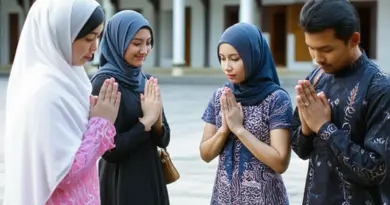
- The Sarong (Kamen): A sarong is a large piece of fabric wrapped around the waist, covering the legs. For temple visits, it must extend at least to the ankles, covering the knees entirely. Both men and women wear sarongs. Men typically wear a more subdued pattern, often with a traditional shirt, while women might wear a more colorful sarong with a kebaya. [7]
- The Sash (Selendang): Worn over the sarong, the sash is tied around the waist. Its significance is symbolic; it represents tying off negative emotions and maintaining control over one’s feelings when entering a sacred space. [3], [5]
Don’t worry if you don’t own a sarong and sash. Most major temples offer them for rent at the entrance, often for a small fee or included in the ticket price. [4], [9] You can also purchase them at local markets, which makes for a lovely souvenir. When putting on a sarong, hold it in front of you with the decorative side out, wrap it comfortably around your waist (center over your belly button), and tuck the excess fabric for a secure fit. [9]
Beyond the Sarong: Modest Clothing for Temples
While the sarong covers your lower body, the upper body also requires modest attire. The general rule is to cover your shoulders and upper arms. [4], [9]
- For Women: A kebaya is the traditional Balinese blouse, often made of lace or embroidered fabric, worn over a camisole. While not strictly mandatory for tourists, a t-shirt or any modest top with sleeves that covers your shoulders and décolletage is appropriate. Avoid low necklines, sleeveless tops, tank tops, and crop tops. [4], [9]
- For Men: A collared shirt or a t-shirt is suitable. Similar to women, shoulders and upper arms should be covered. Avoid singlets or tank tops. [4]
- Footwear: While some temples might require you to remove shoes before entering certain inner sanctums, most do not have strict rules for outer temple grounds. However, comfortable sandals or closed-toe shoes are advisable, as you’ll often be walking on uneven surfaces. It’s always a good idea to ask about specific rules at each temple. [5]
Specific Rules and Cultural Sensitivities
Beyond clothing, there are other important cultural norms to observe:
- Menstruating Women: It is traditionally believed that menstruating women are in an impure state and are prohibited from entering temples. This also applies to women who have recently given birth (within 42 days) or are more than 6-7 months pregnant. [4], [5], [10] While it might seem intrusive, don’t be surprised if a local asks directly about your condition. This is out of respect for the sacredness of the temple.
- Open Wounds/Bleeding: Individuals with open wounds or bleeding are also not permitted to enter temples, as blood is considered impure. [4], [6]
- Behavioral Etiquette:
- Avoid loud noises, excessive talking, or disrespectful gestures.
- Do not point your feet at altars or religious offerings, as feet are considered the lowest and least clean part of the body. [4], [6]
- Never sit higher than a priest or offerings. [4]
- Drones are generally discouraged as their buzzing sound can disturb worshippers. [4]
- Photography: While photography is generally allowed, be mindful and respectful. Avoid disrupting ceremonies or getting too close to worshippers without permission. Always ask before taking photos of individuals.
Practical Tips for Tourists Visiting Balinese Temples
To make your temple visits smooth and enjoyable, keep these tips in mind:
By adhering to the Balinese temple dress code and etiquette, you contribute positively to the preservation of Bali’s sacred culture and ensure a more meaningful and respectful travel experience. It’s a small effort that goes a long way in appreciating the beauty and spirituality of the island.
Watch this video for more insights on Bali’s dress code:
คำถามที่พบบ่อย (FAQ)
References
- What Is The Appropriate Dress Code In Bali? – Exploring Southeast Asia – YouTube
- Bali Temple Etiquette/Dress Code | Sarong and sash are compulsory – YouTube
- Balinese Hindus Temple Etiquette – Infinity Mountain Biking
- Bali Professor Explains How Tourists Should Dress And Behave At Temples – The Bali Sun
- What Are The Cultural Rules For Visiting Temples In Bali? – Beach Tour Guide – YouTube
- HOW TO WEAR KAMEN : BALINESE TRADITIONAL ATTIRE #BaliGoLiveCulture – YouTube
- 7 Essential Etiquette for Bali’s Temple – Traveloka
- Bali Outfit Ideas | Everything I Wore In Bali, What Worked and What Didn’t – YouTube
- Experiencing Balinese Ceremonies: Temple Etiquette, Dress, and Offerings Guide for Respectful Visitors
- What is the cultural and spiritual significance of Balinese temple ceremonies and why understanding them matters for visitors
- Step-by-step temple etiquette: entry procedures, behavior during rituals, photography do’s and don’ts, and interacting with clergy