Choosing the Right Liveaboard or Day Trip for Beginners: Comfort, Dive Itineraries, Guides, and Certification Requirements
- Choosing the Right Liveaboard or Day Trip for Beginners: Comfort, Dive Itineraries, Guides, and Certification Requirements
- Introduction: Diving into Indonesia’s Underwater Wonders
- Liveaboard vs. Day Trip: Understanding Your Options
- Key Factors for Beginners to Consider
- Popular Indonesian Diving Destinations for Beginners
- Essential Tips for Your First Dive Trip in Indonesia
- Conclusion: Making Your Underwater Dream a Reality
- คำถามที่พบบ่อย (FAQ)
Embarking on your first scuba diving adventure in Indonesia is an exhilarating prospect. The archipelago, with its vibrant coral reefs and abundant marine life, offers some of the world’s most spectacular underwater experiences. For beginners, however, the choice between a liveaboard and a day trip can be daunting. This comprehensive guide will help you in Choosing the Right Liveaboard or Day Trip for Beginners in Indonesia, focusing on comfort, dive itineraries, the role of expert guides, and essential certification requirements. We’ll ensure your initial foray into the underwater world is not just memorable, but also safe and incredibly rewarding.
Introduction: Diving into Indonesia’s Underwater Wonders
Indonesia is a diver’s paradise, boasting an unparalleled diversity of marine ecosystems, from the rich currents of Komodo to the pristine reefs of Raja Ampat. For those just starting their diving journey, these waters offer an incredible classroom. Understanding the nuances of different diving trip options is crucial to tailor an experience that matches your skill level, comfort needs, and adventurous spirit. Whether you dream of waking up surrounded by turquoise waters or prefer returning to solid ground each evening, Indonesia has an option for you.
Liveaboard vs. Day Trip: Understanding Your Options
The fundamental decision for any beginner diver in Indonesia is whether to opt for a liveaboard or a series of day trips. Each offers distinct advantages and disadvantages, particularly for those new to the sport. [5]
What is a Liveaboard?
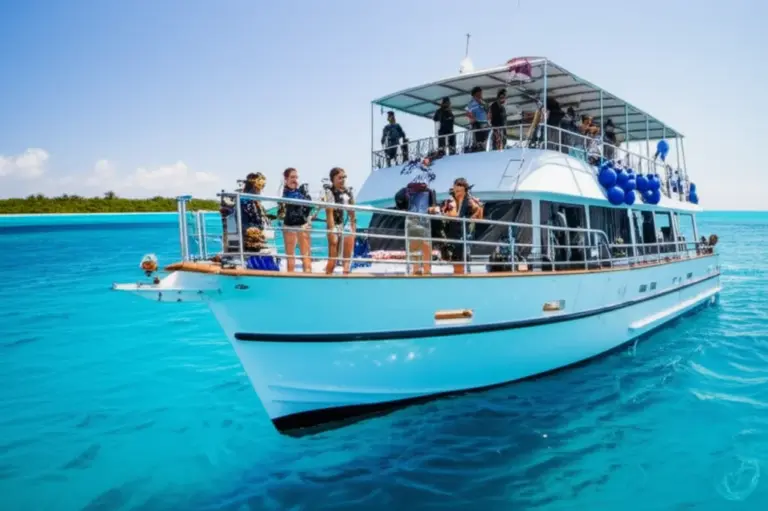
A liveaboard is essentially a floating hotel, allowing divers to sleep, eat, and socialize on a boat that travels between dive sites. This immersive experience means more dives per day, access to remote and untouched locations, and a chance to truly disconnect from the world above. Liveaboards typically offer multiple dives daily, including night dives, maximizing your time underwater. [3, 12] They are often all-inclusive, covering accommodation, meals, and multiple dives, making them a streamlined travel option for dedicated divers. [6]
What is a Day Trip?
Day trips involve staying on land and taking daily boat excursions to nearby dive sites. This option provides more flexibility, allowing you to explore local attractions, relax on beaches, or enjoy land-based activities between diving days. Day trips are generally more budget-friendly and are often recommended for beginners or those who prefer to return to a hotel each night. [5] They usually involve 2-3 dives per day. [3]
Key Factors for Beginners to Consider
When Choosing the Right Liveaboard or Day Trip for Beginners, several factors come into play beyond just the type of trip. These include comfort, the dive plan, the quality of instruction, and your current certification level.
Comfort and Amenities
For beginners, comfort is paramount. Seasickness can be a concern on liveaboards, so choosing a larger, more stable vessel or having motion sickness remedies on hand is advisable. [12, 14] Liveaboards vary greatly in luxury, from basic shared cabins to opulent private suites. Consider what level of comfort you need for a multi-day trip. Day trips, by contrast, offer the comfort of returning to a stable hotel room each night, which can be reassuring for first-timers. Onboard facilities of liveaboards often include communal areas, sun decks, and dedicated dive stations. [12]
Dive Itineraries and Destinations (Focus on Indonesia)
Indonesia’s vastness means diverse dive environments. Liveaboards excel at reaching remote, untouched sites that day boats simply cannot access due to distance. [5] This can mean encountering a wider variety of marine life and pristine coral formations. [5] However, some of these sites might have stronger currents or more challenging conditions. Beginners should look for itineraries explicitly labeled as ‘beginner-friendly’ or those that offer a mix of easy and moderate dives. Day trips often focus on sites closer to shore, which are typically calmer and more suitable for new divers. For example, some Komodo sites are beginner-friendly, while others are known for strong currents. [1, 4]
Dive Guides and Instruction
A good dive guide is invaluable, especially for beginners. They provide crucial briefings, point out marine life, and ensure safety. On liveaboards, you often have the same guide for the entire trip, allowing for personalized attention and skill development. Many liveaboards also offer opportunities for advanced certifications during the trip. For day trips, ensure the dive center has experienced instructors and small group sizes to maximize safety and learning. Look for operators with a strong reputation for safety and professionalism.
Certification Requirements and Training
Before you even consider liveaboards or day trips, you must have a valid open water diving certification (e.g., PADI Open Water Diver or SSI Open Water Diver). Some liveaboards or dive sites may require an Advanced Open Water certification or a certain number of logged dives, especially for more challenging itineraries. Always check the prerequisites for any trip you consider. Many dive centers in Indonesia offer beginner courses, allowing you to get certified locally before embarking on your diving adventures.
Watch: The Ultimate Beginner’s Guide to Liveaboard Diving
This video provides excellent insights into what beginners can expect from a liveaboard diving trip, covering preparation, costs, and the overall experience.
Popular Indonesian Diving Destinations for Beginners
Indonesia offers a plethora of dive sites suitable for various skill levels. Here are a few top picks for beginners:
Bali: Easy Access and Diverse Sites
Bali is an excellent starting point for beginner divers. With numerous dive resorts and easy access to sites like Tulamben (known for the USAT Liberty wreck, accessible even for open water divers) and Padang Bai, it offers calm conditions and rich marine life. Day trips are very popular here, allowing you to combine diving with Bali’s cultural attractions. [2]
Komodo National Park: Iconic but Accessible
While famous for its strong currents and advanced dives, Komodo National Park also has many beginner-friendly sites. [1] Liveaboards are the most popular way to explore Komodo, but day trips from Labuan Bajo are also available for specific, calmer sites. Look for operators who specifically cater to beginners and offer sheltered reefs. The biodiversity here is astounding, including manta rays and vibrant coral gardens. [4, 9]
Raja Ampat: A Dream for the More Adventurous Beginner
Often considered the epicenter of marine biodiversity, Raja Ampat is typically explored via liveaboard due to its remote nature. While some sites can be challenging, many liveaboards offer itineraries suitable for beginners, focusing on sheltered bays and gentle drifts. [2, 7, 8] It’s an investment, but the reward is an unmatched underwater spectacle. Ensure your chosen liveaboard has experienced guides who can adapt dives to varying skill levels.
Essential Tips for Your First Dive Trip in Indonesia
Conclusion: Making Your Underwater Dream a Reality
Choosing the Right Liveaboard or Day Trip for Beginners in Indonesia is a decision that can significantly shape your diving experience. By carefully considering your comfort level, desired dive itineraries, the expertise of your guides, and your certification requirements, you can select an option that guarantees an unforgettable adventure. Indonesia’s underwater world awaits, offering a lifetime of memories for those ready to take the plunge. With careful planning and the right choice, your first diving trip will undoubtedly ignite a lifelong passion for the ocean.
คำถามที่พบบ่อย (FAQ)
References
- Your Ultimate Guide to Scuba Diving the Paradise in Komodo Islands – YouTube
- Scuba Diver Dive Guide to Indonesia – YouTube
- The Ultimate Beginner’s Guide to Liveaboard Diving – YouTube
- Our Best Scuba Dives in Komodo National Park (as beginners): Our top 4! – YouTube
- Diving Liveaboard vs. Day Trips: Which One Is Best For You? – Solitude World
- Liveaboard Trip 2025 | Komodo, Indonesia – YouTube
- The BEST Diving in Indonesia | Raja Ampat – YouTube
- INDONESIA’S SECRET PARADISE: World’s Best Diving! – YouTube
- Indonesia: Komodo Islands Liveaboard Diving – Part 1 – YouTube
- Which is Better Land-Based or Liveaboard Scuba Diving? – YouTube
- A Beginner’s Guide to Your First Diving Liveaboard Adventure
- Your complete guide to liveaboard diving – YouTube
- Raja Ampat Diving for Beginners: Best Sites, Liveaboards, Seasons and Practical Tips for First-Timers
- Why Raja Ampat Is Perfect for Beginner Divers: Marine Life, Visibility, and Safety Considerations
- Top Beginner-Friendly Dive Sites in Raja Ampat: What to Expect at Arborek, Sardine Reef, Manta Sandy, and Blue Magic