Raja Ampat Diving for Beginners: Best Sites, Liveaboards, Seasons and Practical Tips for First-Timers
- Raja Ampat Diving for Beginners: Best Sites, Liveaboards, Seasons and Practical Tips for First-Timers
- Why Raja Ampat is the Ultimate Dive Destination for First-Timers
- Best Raja Ampat Dive Sites for Beginners
- Choosing Your Adventure: Liveaboards vs. Resorts for Raja Ampat Diving for Beginners
- When to Go: Best Seasons for Raja Ampat Diving for Beginners
- Essential Practical Tips for First-Time Raja Ampat Divers
- Explore the Beauty of Raja Ampat
- Conclusion: Your Unforgettable Raja Ampat Dive Journey Awaits
- คำถามที่พบบ่อย (FAQ)
Dream of exploring an underwater paradise where vibrant corals teem with an unimaginable diversity of marine life? Raja Ampat, located in West Papua, Indonesia, is consistently hailed as one of the world’s most biodiverse marine regions, a true bucket-list destination for divers. While its reputation might suggest it’s only for seasoned pros, this guide proves that Raja Ampat Diving for Beginners is not just possible, but an incredibly rewarding experience. We’ll navigate the best dive sites, decipher the liveaboard vs. resort dilemma, pinpoint the ideal seasons, and share practical tips to ensure your first underwater adventure in this magnificent archipelago is unforgettable. [4]
Why Raja Ampat is the Ultimate Dive Destination for First-Timers
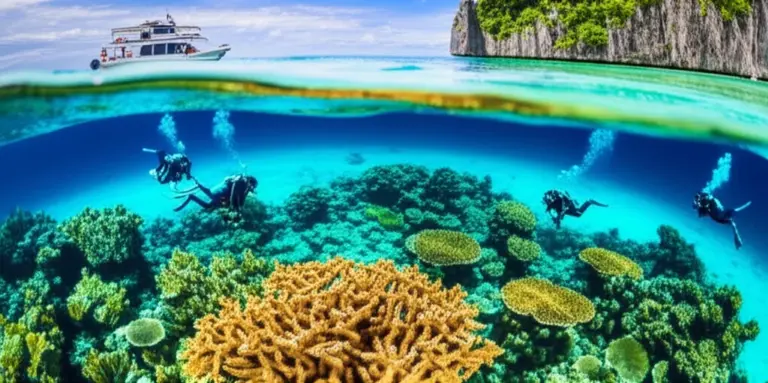
Raja Ampat, meaning ‘Four Kings,’ refers to the four main islands: Waigeo, Batanta, Salawati, and Misool. This region sits at the heart of the Coral Triangle, boasting the highest recorded marine biodiversity on Earth. [4, 15, 19] For beginners, several factors make it an appealing choice: calm, warm waters, excellent visibility in many areas, and an abundance of shallow reef sites where vibrant life begins just meters below the surface. [4, 8, 15] Supportive dive operations and resorts often cater specifically to less experienced divers, offering personalized guidance and ensuring a safe, confident introduction to its wonders. [4, 18]
Best Raja Ampat Dive Sites for Beginners
While some Raja Ampat sites are known for strong currents, many are perfectly suited for entry-level divers. Inform your dive guide about your experience level so they can select appropriate sites and conditions. [4]
-
Manta Sandy: This iconic site is famous for its reliable manta ray encounters. It’s relatively shallow, allowing for extended bottom times to observe these majestic creatures at their cleaning stations. [2, 18, 22]
-
Melissa’s Garden: Considered one of the best Raja Ampat diving sites for beginners, Melissa’s Garden boasts pristine coral gardens and abundant fish life with rarely much current, making it ideal for macro photography and leisurely exploration. [3, 22]
-
Mioskun: This small island offers a sheltered reef with calm conditions and vibrant marine life, including schools of fusiliers, sweetlips, and wobbegong sharks. It’s a pinnacle dive site that’s great for introducing beginners. [4, 18, 22]
-
Arborek Jetty: A fantastic spot for both divers and snorkelers, Arborek Jetty is shallow and teeming with schooling fish, offering excellent photo opportunities and easy access to vibrant reef life. [2, 22]
-
Sawandarek Jetty: Similar to Arborek, this site offers easy access and a rich array of marine species, perfect for relaxed dives and close encounters with reef inhabitants. [25]
Choosing Your Adventure: Liveaboards vs. Resorts for Raja Ampat Diving for Beginners
Deciding between a liveaboard and a land-based resort is a key decision for your first Raja Ampat diving trip.
Raja Ampat Liveaboards: The Immersive Experience
Liveaboards offer an unparalleled way to explore Raja Ampat, allowing you to access the most remote and pristine dive sites across the vast archipelago. [2, 15] For beginners, look for liveaboards that explicitly cater to all experience levels or offer shorter itineraries. Pros include multiple dives daily, all-inclusive packages, and the ability to visit diverse areas without daily transfers. Cons might be less flexibility, potential for seasickness, and generally higher costs. [16, 19, 23]
Dive Resorts: Comfort and Flexibility
Land-based resorts provide comfort and a more relaxed pace. Many resorts in Raja Ampat specialize in beginner divers, offering PADI or SSI certifications and personalized guidance. [4, 14] This option allows for more independent scheduling, opportunities to interact with local culture, and a stable base for those prone to seasickness. The main drawback is that you’ll be limited to dive sites reachable from your specific resort. [2, 17]
When to Go: Best Seasons for Raja Ampat Diving for Beginners
The best time for Raja Ampat Diving for Beginners is generally during the dry season, from October to April. [2, 6, 10] During these months, the weather is more stable, seas are calmer, and visibility is at its best, often exceeding 30 meters. This period also sees an abundance of marine life, including frequent manta ray sightings, particularly from November to April. [8, 10, 11, 14] While diving is possible year-round, the wet season (May to September) can bring higher rainfall and rougher seas, though it often means fewer crowds. [6, 10, 14]
Essential Practical Tips for First-Time Raja Ampat Divers
Getting There: Logistics and Travel
Reaching Raja Ampat typically involves flying into Sorong (SOQ) in West Papua. From Sorong, you’ll take a ferry or private transfer to Waisai (the capital of Raja Ampat on Waigeo island) or directly to your resort or liveaboard. [17, 23] Ensure your flight arrival times align with ferry schedules or transfer arrangements. It’s also wise to check airline baggage allowances, especially if you’re bringing your own dive gear. [17]
Marine Park Fees and Permits
All international visitors to Raja Ampat must pay two mandatory fees: the Environmental Services Fee (Marine Park Permit) and the Visitor Entry Ticket. The Marine Park Permit is approximately IDR 700,000 (around $45 USD) and is valid for 12 months, supporting conservation efforts. [5, 7, 9, 12] The Visitor Entry Ticket is around IDR 300,000 (around $20 USD) and contributes to local tourism infrastructure. [5, 7] The Marine Park Permit can often be purchased online, while the Visitor Entry Ticket is usually paid upon arrival in Waisai. [7]
Diving Certification and Experience
While an Open Water certification is the minimum requirement, having an Advanced Open Water certification is recommended, as it provides more training and comfort in diverse conditions. [4, 18] Crucially, practice your buoyancy control and air consumption before your trip. Raja Ampat’s currents, though manageable in beginner-friendly sites, require good diving skills. [18] Inform your dive operator about your experience level so they can tailor your dives. [4]
Packing Essentials
Beyond your standard dive gear, consider bringing reef-safe sunscreen, insect repellent, a basic medical kit, and comfortable, quick-drying clothing. Due to the remote nature of the region, it’s best to pack strategically as supplies can be limited. [17]
Health and Safety
Mandatory diving insurance, such as DAN (Divers Alert Network), is crucial as it covers emergency evacuation and diving-related incidents. [21] Be aware of the nearest decompression chamber in Waisai, and discuss any medical conditions or required medications with your doctor, especially regarding anti-malarial prophylactics that might affect diving. [18, 21]
Respecting the Environment
Raja Ampat’s pristine beauty relies on responsible tourism. Practice excellent buoyancy control to avoid damaging corals, never touch marine life, and dispose of waste properly. Your marine park fees directly contribute to conservation efforts, helping to preserve this incredible ecosystem for future generations. [4, 9, 12, 19]
Explore the Beauty of Raja Ampat
To help you visualize your adventure, here’s a map of the incredible Raja Ampat region:
Conclusion: Your Unforgettable Raja Ampat Dive Journey Awaits
Embarking on a Raja Ampat diving trip as a beginner is an extraordinary opportunity to witness marine biodiversity at its peak. With careful planning, choosing beginner-friendly sites and operators, and understanding the best seasons, you’re set for an experience that will redefine your perception of the underwater world. The calm, rich waters and abundant life make it an ideal place to hone your skills and create memories that will last a lifetime. Prepare yourself, respect the environment, and dive into the unparalleled beauty of Raja Ampat!
คำถามที่พบบ่อย (FAQ)
| Question | Answer |
|---|---|
|
Is Raja Ampat suitable for beginner divers? |
Yes, Raja Ampat is suitable for beginner divers, especially with the right preparation and support. Many dive sites have calm, warm waters and vibrant marine life at shallow depths. Several resorts and liveaboards cater to less experienced divers, offering guidance and personalized experiences. [4] |
|
What is the best time of year for Raja Ampat Diving for Beginners? |
The best time to visit for beginner divers is during the dry season, from October to April. This period offers more stable weather, calmer seas, and excellent visibility, which are ideal conditions for learning and enjoying the underwater environment. [6, 10] |
|
What are the mandatory fees for visiting Raja Ampat? |
International visitors must pay two fees: the Environmental Services Fee (Marine Park Permit) of approximately IDR 700,000 (~$45 USD) and the Visitor Entry Ticket of approximately IDR 300,000 (~$20 USD). These fees contribute to conservation and tourism infrastructure. [5, 7] |
|
Do I need special diving insurance for Raja Ampat? |
Yes, dedicated diving insurance (e.g., from DAN) is mandatory. Regular travel insurance may not cover emergency evacuation or diving-related incidents, which is crucial given the remote location of Raja Ampat. [21] |
References
- Bluewater Travel – Best Scuba Diving in Raja Ampat
- Journey Era – Diving In Raja Ampat: 10 Best Scuba Dive Sites
- Raja Ampat Biodiversity Resort – Raja Ampat for Beginner Divers
- Barefoot Yachts Indonesia – Guide to Raja Ampat Park Fees
- Raja Ampat Biodiversity Resort – Best time to dive in Raja Ampat
- Boatique Charters – Raja Ampat Entry Fees & Permits
- Responsible Travel – Best time to visit Raja Ampat
- Kawasan Konservasi Perairan di Raja Ampat – Marine Park Entry Card
- Solitude World – Best Time to Dive in Raja Ampat
- La Galigo Liveaboard – The Best Time to Dive Raja Ampat
- Papua Paradise – Can Beginner Divers Dive in Raja Ampat?
- Dive Happy – Diving Raja Ampat – A Quick Guide
- ZuBlu – Search liveaboards in Raja Ampat
- Meridian Adventure Raja Ampat – Travellers’ guide to Raja Ampat
- Liveaboard.com – Diving Raja Ampat
- YouTube – Raja Ampat – What to Know Before You Go Ep. 4
- DIVEIN.com – Best Diving in Raja Ampat in 2025
- Diversion Dive Travel – Map Dive Sites Raja Ampat
- Papua Diving Resorts – Travel Guide to Raja Ampat (PDF)
- Why Raja Ampat Is Perfect for Beginner Divers: Marine Life, Visibility, and Safety Considerations
- Top Beginner-Friendly Dive Sites in Raja Ampat: What to Expect at Arborek, Sardine Reef, Manta Sandy, and Blue Magic
- Choosing the Right Liveaboard or Day Trip for Beginners: Comfort, Dive Itineraries, Guides, and Certification Requirements