Colonial and Chinatown Heritage Walks in Jakarta: Ultimate Self-Guided Route with Must-Try Food Stops
- Colonial and Chinatown Heritage Walks in Jakarta: Ultimate Self-Guided Route with Must-Try Food Stops
- Why Explore Jakarta’s Heritage on Foot?
- The Vibrant World of Glodok Chinatown
- Culinary Delights: Must-Try Food Stops
- Crafting Your Ultimate Self-Guided Route
- Practical Tips for Your Heritage Walk
- คำถามที่พบบ่อย (FAQ)
- Q: How long does it take to complete the Colonial and Chinatown Heritage Walks in Jakarta?
- Q: Is it safe to do a self-guided walk in these areas?
- Q: Are there vegetarian or halal food options available in Glodok?
- Q: What is the best way to get between Kota Tua and Glodok?
Jakarta, a sprawling metropolis, holds within its bustling streets a treasure trove of history and culture, particularly evident in its Colonial and Chinatown districts. For the adventurous traveler, embarking on a self-guided exploration of these areas offers an unparalleled opportunity to delve into the city’s past while savoring its diverse culinary landscape. This ultimate guide provides a meticulously planned route, ensuring you experience the best of Jakarta’s heritage and gastronomic delights, making your Colonial and Chinatown Heritage Walks in Jakarta an unforgettable journey.
Why Explore Jakarta’s Heritage on Foot?
Walking through Jakarta’s historic neighborhoods offers a sensory immersion unlike any other. It allows you to appreciate the intricate architectural details, witness daily life unfold, and discover hidden gems that might be missed from a vehicle. Beyond the visual feast, these walks are a journey through time, revealing the layers of influence that have shaped Jakarta into the vibrant city it is today. You’ll gain a deeper understanding of its colonial past and the enduring legacy of its Chinese community, all while enjoying the freedom to explore at your own pace.
A Glimpse into Jakarta’s Colonial Past
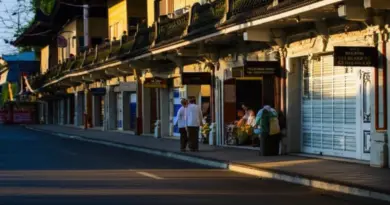
Jakarta, once known as Batavia, was the administrative heart of the Dutch East India Company (VOC) for centuries. This colonial legacy is most vividly preserved in Kota Tua, or Old Town, where grand Dutch-era buildings stand as silent witnesses to a bygone era. The architecture, with its distinct European flair, tells a story of trade, power, and cultural exchange. A walk here is a step back into the 17th century, offering a unique perspective on Indonesia’s rich and complex history. [3]
Kota Tua: The Heart of Old Batavia
Begin your colonial heritage walk at Fatahillah Square, the central hub of Kota Tua. This bustling square is surrounded by key historical buildings, including the former City Hall, which now houses the Jakarta History Museum (Museum Fatahillah). Other notable attractions include the Wayang Museum, showcasing traditional Indonesian puppetry, and the Bank Indonesia Museum. Don’t miss Cafe Batavia, a legendary restaurant housed in a magnificent 1830s building, offering a glimpse into the colonial past with its elegant decor and live music. [3, 4, 10]
The Vibrant World of Glodok Chinatown
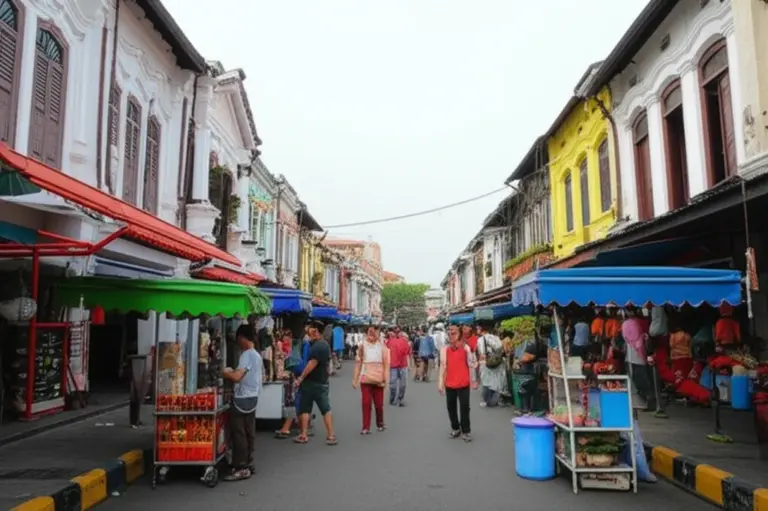
A stark contrast to the European grandeur of Kota Tua, Glodok Chinatown pulsates with an entirely different energy. As one of the largest Chinatowns in the world, Glodok is a testament to the enduring presence and cultural contributions of the Chinese community in Indonesia, dating back centuries. [7, 12] Here, traditional Chinese customs blend seamlessly with Indonesian urban life, creating a unique cultural tapestry visible in its temples, markets, and culinary traditions. [6]
Must-See Sights in Glodok
Wander through the narrow, bustling alleys of Glodok, where every turn reveals a new discovery. A highlight is Vihara Dharma Bhakti (also known as Jin De Yuan Temple), the oldest Buddhist temple in Jakarta, built in 1650. Its intricate carvings and serene atmosphere offer a peaceful respite from the surrounding commotion. [7, 15] Don’t miss the vibrant Petak Sembilan Market, a sensory delight where you can find an array of fresh produce, traditional Chinese medicines, and various food items. [7, 15] The main street, Pancoran, and its surrounding alleys are filled with traditional shops selling Chinese goods, from lanterns to porcelain. [12]
Culinary Delights: Must-Try Food Stops
No heritage walk in Jakarta is complete without indulging in its incredible food scene. Both Kota Tua and Glodok offer distinct culinary experiences, reflecting their unique histories.
Colonial Era Flavors in Kota Tua
After exploring the historical sites, treat your taste buds to flavors reminiscent of the colonial era. Cafe Batavia is a must-visit for its ambiance and classic Indonesian and Western dishes, including their signature Nasi Goreng Batavia and authentic Kopi Tubruk. [4, 11] For a more local street food experience, try staples like Nasi Goreng (fried rice), Gado-Gado (vegetable salad with peanut sauce), Soto Betawi (hearty beef soup), or Kerak Telor (Betawi omelet), often found at stalls around Fatahillah Square. [2, 11]
Chinatown’s Gastronomic Gems in Glodok
Glodok is a paradise for food enthusiasts, offering a blend of Chinese and Indonesian flavors. Head to Gang Gloria, a famous alley known for its array of street vendors selling dishes like pork dumplings (Kuo Tieh), mixed rice, and various Chinese-Peranakan specialties. [12, 13] Don’t miss Kopi Es Tak Kie, a legendary coffee shop operating since 1927, famous for its iced and hot black coffee. [8, 12] Other must-try foods include Bakso (meatballs), Siomay (steamed fish dumplings), and the unique Nasi Ulam Misdjaya, a Betawi rice dish with Chinese influences. [7, 12, 14] Be aware that many eateries in Glodok serve non-halal dishes. [12]
Crafting Your Ultimate Self-Guided Route
To make the most of your Colonial and Chinatown Heritage Walks in Jakarta, consider starting your day in Kota Tua, exploring its museums and colonial architecture in the morning when the weather is cooler. After lunch at Cafe Batavia or a local stall, take a short ride (TransJakarta bus or local taxi/ride-hailing app) to Glodok Chinatown. Spend your afternoon immersing yourself in the vibrant markets, temples, and street food of Glodok. This route allows you to experience the distinct atmospheres of both areas efficiently.
Practical Tips for Your Heritage Walk
These Colonial and Chinatown Heritage Walks in Jakarta offer a captivating blend of history, culture, and culinary adventure. By following this self-guided route and keeping these tips in mind, you’re set for an enriching exploration of one of Southeast Asia’s most dynamic capital cities.
คำถามที่พบบ่อย (FAQ)
References
- Must-Try Foods In Kota Tua (Old Town) (Jakarta) For Tourists 2025 – Travelsetu.com
- Kota Tua, Jakarta’s historic centre – Barceló Experiences
- Cafe Batavia – Old School Charm in Jakarta – Food Finance Travel
- Exploring the Legendary Alleys of Chinatown Jakarta, Indonesia – YouTube
- Jakarta, Indonesia Walking through Indonesia’s Oldest Chinatown (4K HDR) – YouTube
- 7 Best Things to Do in Old Town Jakarta: Culture, Culinary, and More – Tempo.co English
- Top 5 culinary hotspots to look for in Jakarta’s Chinatown – ANTARA News
- Guide to: Eating Your Way Through Glodok – FoodieS.id
- Category: Street Food in Jakarta – Jakarta Walking Tour
- Why Visit Jakarta’s Colonial and Chinatown Districts? Understanding History, Culture, and What to Expect
- Planning Your Self-Guided Route: Best Starting Points, Walking Map, Timing, and Safety Tips for Colonial and Chinatown Tours
- Top Historical Landmarks and Hidden Gems Along the Route: Dutch Architecture, Temples, Museums, and Photo-Worthy Spots