Why Visit Jakarta’s Colonial and Chinatown Districts? Understanding History, Culture, and What to Expect
- Why Visit Jakarta’s Colonial and Chinatown Districts? Understanding History, Culture, and What to Expect
- Stepping Back in Time: Jakarta’s Colonial District (Kota Tua)
- The Vibrant Heart of Chinese-Indonesian Culture: Jakarta’s Chinatown (Glodok)
- Understanding the Intertwined Narratives
- What to Expect: Tips for Visitors
- คำถามที่พบบ่อย (FAQ)
- What are the main differences between Jakarta’s Colonial District and Chinatown?
- Is it possible to visit both Kota Tua and Glodok in one day?
- What kind of food can I expect to find in Jakarta’s Chinatown?
- Are there any specific cultural events or festivals in these districts?
Jakarta, a sprawling metropolis often seen as a gateway to Indonesia, holds within its bustling heart two distinct yet intertwined districts that offer a profound journey into its past and present: the Colonial Quarter (Kota Tua) and Chinatown (Glodok). For anyone interested in Indonesia tourism, understanding the rich layers of history and culture these areas present is paramount. So, Why Visit Jakarta’s Colonial and Chinatown Districts? These vibrant neighborhoods are living museums, showcasing the enduring legacies of Dutch colonial rule and the dynamic Chinese-Indonesian community, promising an experience far beyond typical sightseeing.
Stepping Back in Time: Jakarta’s Colonial District (Kota Tua)
Known as Kota Tua, or “Old Town,” Jakarta’s colonial district is a remarkable testament to the city’s past as Batavia, the administrative and trading hub of the Dutch East Indies. Established by the Dutch East India Company (VOC) in 1619, this area was meticulously planned with canals and European-style architecture, earning it the moniker “Queen of the East.” A visit here offers a tangible connection to the centuries of colonial influence that shaped Indonesia. [2, 3, 27, 28, 29]
A Glimpse into Dutch Batavia
The history of Kota Tua begins in the early 17th century when the Dutch East India Company established Batavia. This strategic location became a pivotal hub for trade, attracting diverse populations and fostering a melting pot of cultures. The well-preserved buildings, cobblestone streets, and grand squares reflect the architectural splendor and urban planning of the Dutch era. [3, 28, 29]
Iconic Landmarks of Kota Tua
The heart of Kota Tua is undoubtedly Fatahillah Square, a lively public space surrounded by several significant historical buildings. [2, 6, 15] Here, you can find:
- Jakarta History Museum (Museum Fatahillah): Housed in the former City Hall of Batavia, this museum chronicles Jakarta’s journey from prehistoric times through its colonial period to independence. [2, 5, 6, 29, 31]
- Wayang Museum: Dedicated to traditional Indonesian puppetry, this museum showcases a wide array of wayang puppets, masks, and occasional live performances. [2, 5, 15]
- Fine Art and Ceramic Museum: Located in the old Court of Justice, it displays Indonesian art and ceramics. [2, 5]
- Café Batavia: A legendary colonial-style cafe offering a nostalgic ambiance and excellent views of Fatahillah Square. [5, 6, 15]
- Bank Indonesia Museum & Bank Mandiri Museum: These museums, housed in grand colonial buildings, delve into the nation’s financial history. [5, 15, 25]
- Sunda Kelapa Harbor: The original VOC-era port, where traditional wooden schooners (phinisi) still dock, offering a glimpse into Jakarta’s maritime past. [6, 15]
Experiencing the Colonial Charm
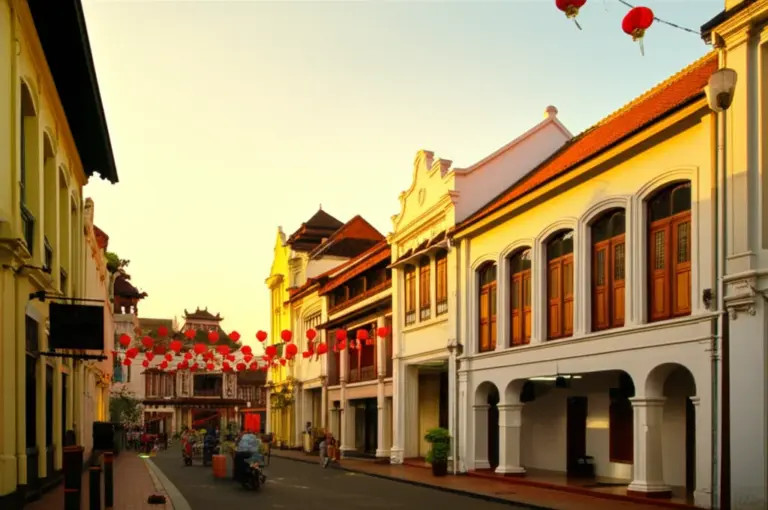
Beyond the museums, visitors can rent colorful bicycles to explore Fatahillah Square, enjoy street performances, and admire the unique architecture. The area is filled with charming cafes and shops housed in colonial-era buildings, providing a delightful atmosphere for a stroll. [2, 6, 15, 31]
The Vibrant Heart of Chinese-Indonesian Culture: Jakarta’s Chinatown (Glodok)
Just a short distance from Kota Tua lies Glodok, Jakarta’s historic Chinatown. Established in 1741 after a tragic massacre of Chinese residents by the Dutch, Glodok evolved into a vibrant center for trade and cultural preservation. [14, 17] It is Indonesia’s largest and oldest Chinatown, a living museum showcasing the enduring spirit and rich traditions of the Chinese-Indonesian community. [9, 11, 14, 17]
A Melting Pot of Traditions
Glodok is a testament to cultural fusion, where Chinese traditions have blended seamlessly with local Betawi, Sundanese, and Javanese influences over centuries. [14] The district’s unique ambiance is evident in its architecture, religious sites, and daily life. Despite past challenges, Glodok remains a cultural stronghold, preserving its heritage through temples, markets, and culinary delights. [9, 11, 12]
Must-Visit Spots in Glodok
Exploring Glodok is a sensory experience, with bustling streets, vibrant colors, and rich aromas. Key attractions include:
- Vihara Dharma Bhakti (Jin De Yuan Temple): Founded in 1650, this is Jakarta’s oldest Chinese temple and a spiritual heart of Glodok, known for its intricate carvings and thick incense. [4, 7, 8, 9, 11, 12, 17, 23]
- Petak Sembilan Market: A vibrant wet market offering everything from fresh produce and seafood to traditional Chinese herbs and unique cultural items. It’s a true reflection of local life. [7, 8, 9, 11]
- Gang Gloria: A famous alley known for its legendary food stalls and traditional eateries. [8, 9, 13]
- Pantjoran Tea House: A must-visit for authentic tea experiences and dim sum, offering a blend of history and culinary delight. [7, 8, 9, 16]
- Santa Maria de Fatima Church: A unique Catholic church built in 1850 with distinctive Chinese architectural influences, symbolizing the cultural fusion in Glodok. [8, 9, 12]
Culinary Delights of Chinatown
Glodok is a foodie’s paradise, offering an incredible array of traditional Chinese-Indonesian cuisine. From steaming bowls of bakmi (Chinese-style noodles) and crispy dumplings to refreshing herbal teas and unique snacks, the street food scene is a major draw. Popular spots like Kopi Es Tak Kie, known for its iced milk coffee, and various stalls in Gang Gloria and Petak Sembilan Market, promise authentic flavors. [7, 8, 9, 10, 13, 16, 18]
Understanding the Intertwined Narratives
The proximity of Jakarta’s Colonial and Chinatown districts is not a coincidence but a reflection of the city’s complex historical development. The Dutch colonial government’s policies, including the segregation of the Chinese community, directly led to the establishment and evolution of Glodok adjacent to the European quarter. [12, 14, 17, 28] These areas, therefore, tell a joint story of power, resilience, trade, and cultural adaptation that is central to Jakarta’s identity. Exploring both districts allows visitors to grasp the profound impact of these historical interactions on the city’s present-day multicultural fabric.
What to Expect: Tips for Visitors
To make the most of your visit to Jakarta’s Colonial and Chinatown districts, consider these practical tips:
Best Time to Visit
Early mornings or late afternoons are ideal for exploring Kota Tua to avoid the midday heat and crowds. Glodok is bustling throughout the day, but early mornings are best for experiencing the vibrant markets. Visiting during Chinese New Year offers a particularly festive atmosphere with lion dances and decorations. [9, 23]
Getting Around
The districts are relatively walkable, and you can easily walk between Chinatown and Kota Tua. [10, 20] Ride-hailing apps like Grab or Gojek are convenient for longer distances. The newly developed MRT system also offers improved accessibility to central Jakarta. [33]
Local Etiquette and Safety
Be mindful of your belongings in crowded areas. While generally safe, it’s always wise to be aware of your surroundings. Bargaining is common in markets. When visiting temples, dress modestly.
Food and Drink Recommendations
Don’t miss the opportunity to sample the local cuisine. In Glodok, try bakmi, dim sum, nasi campur, and traditional snacks. In Kota Tua, Cafe Batavia offers a more upscale dining experience with historical charm. [10, 13, 16]
คำถามที่พบบ่อย (FAQ)
References
- Trippyigloo – Kota Tua: A Guide to the Historic Old Town of Jakarta
- Jungle Inn Bukit Lawang – Kota Tua: Jakarta’s Living Time Capsule of Colonial Heritage
- Holidify – Glodok (Jakarta Chinatown)
- Time Travel Turtle – The best things to see in Kota Tua, Jakarta’s Old Town
- Take Your Backpack – Kota Tua Jakarta, Indonesia Backpacking Travel Guide
- Backindo – Glodok: Traveler’s Guide to Jakarta’s Chinatown
- Museum of Wander – Jakarta Chinatown: A Walk Through Glodok’s Flavours and Colours
- Jakarta Travel Guide – Glodok: The Soul of Jakarta’s Chinatown
- Jakarta Travel Guide – Visiting Chinatown in Jakarta
- Ekaputra Tour – Explore the Historic and Flavorful Heart of Chinatown Jakarta Glodok
- Medium – A Foodie’s and History Lover’s Guide to Jakarta’s Chinatown
- GalOnTrip – 6 most delicious Food in JAKARTA CHINATOWN: Gloria Alley
- Marclan International – Glodok Chinatown Market: Your Guide to Jakarta’s Oldest Charm
- Jakarta Travel Guide – Visiting Kota Tua in Jakarta
- iDiscover Asia – Where to Find Authentic Chinese Food in Glodok, Jakarta’s Chinatown
- Chinatownology – Jakarta Chinatown
- YouTube – Chinatown Jakarta FOOD HEAVEN!!
- Museum of Wander – Kota Tua Jakarta: A Self-guided Walking Tour of Old Batavia
- GetYourGuide – The BEST Glodok Jakarta Tours and Things to Do
- YouTube – Chinatown Walking Tour with Jakarta Good Guide
- YouTube – Walking Tour of Glodok Chinatown
- YouTube – Jakarta, Indonesia Walking through Indonesia’s Oldest Chinatown (4K HDR)
- YouTube – Exploring the Legendary Alleys of Chinatown Jakarta
- GPSmyCity – Jakarta’s Colonial Buildings (Self Guided)
- Britannica – Jakarta – Colonial, Capital, Megacity
- UNESCO – The Old Town of Jakarta (Formerly old Batavia)
- Vocal.media – Jakarta Unveiled: Tracing Dutch Colonial Threads in Indonesia’s Capital
- YouTube – The colonial heart of Jakarta – DUTCH BATAVIA
- YouTube – Exploring Jakarta Old Town: A Day in the Historic Jakarta Kota Tua 4K
- YouTube – Indonesia! Mind Blowing Tour around KOTA TUA, Oud Batavia
- YouTube – Don’t skip Jakarta! Why Indonesia’s capital is a must-visit
- YouTube – Adventures in Indonesia: Exploring Jakarta and its History
- Colonial and Chinatown Heritage Walks in Jakarta: Ultimate Self-Guided Route with Must-Try Food Stops
- Planning Your Self-Guided Route: Best Starting Points, Walking Map, Timing, and Safety Tips for Colonial and Chinatown Tours
- Top Historical Landmarks and Hidden Gems Along the Route: Dutch Architecture, Temples, Museums, and Photo-Worthy Spots