Top historical sites and stories en route: must-see colonial landmarks, temples, museums, and the cultural significance of each stop with suggested visit durations
Embarking on a journey through Indonesia is like walking through a living history book. From the towering spires of ancient Buddhist temples to the cobblestone streets of Dutch colonial outposts, the archipelago offers a rich tapestry of narratives. Understanding the historical sites and stories en route allows travelers to appreciate the profound cultural evolution of this diverse nation. This guide explores the must-see landmarks that define the Indonesian identity, providing practical tips on visit durations and the historical weight of each location.
The Colonial Echoes of Jakarta: Kota Tua
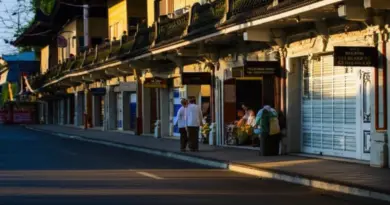
Jakarta’s Old Town, or Kota Tua, serves as a poignant reminder of the Dutch colonial era. Once known as ‘The Pearl of the Orient,’ this area was the headquarters of the Dutch East India Company (VOC). The Fatahillah Square is surrounded by well-preserved buildings that now house museums. The Jakarta History Museum, located in the former Stadhuis (City Hall), offers a deep dive into the city’s transition from the port of Sunda Kelapa to a colonial capital.
- Cultural Significance: Represents the fusion of European architecture and Indonesian resilience.
- Suggested Duration: 3–4 hours.
The Spiritual Grandeur of Borobudur and Prambanan
In Central Java, the historical sites and stories en route lead inevitably to the majestic Borobudur and Prambanan. Borobudur is the world’s largest Buddhist temple, built in the 9th century. Its intricate bas-reliefs tell stories of Buddhist cosmology and daily life in ancient Java. Just a short drive away lies Prambanan, a stunning 9th-century Hindu temple complex dedicated to the Trimurti (Brahma, Vishnu, and Shiva). These sites are not just monuments; they are symbols of the harmonious coexistence of different faiths in Indonesia’s past.
| Site | Significance | Visit Duration |
|---|---|---|
| Borobudur | World’s largest Buddhist monument | 4–5 hours |
| Prambanan | Grandest Hindu temple in Indonesia | 3–4 hours |
The Royal Legacy: Keraton Yogyakarta
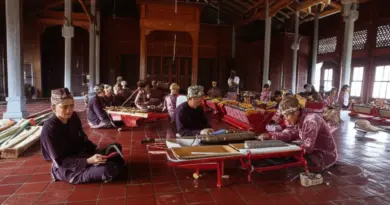
The Keraton, or the Sultan’s Palace, is the heart of Javanese culture in Yogyakarta. It is a living museum where the Sultan still resides. The architecture is a masterclass in Javanese philosophy, with every courtyard and pavilion designed to reflect the cosmos. Visitors can witness traditional Gamelan performances and see royal heirlooms that have been passed down for centuries.
- Cultural Significance: The center of Javanese identity and tradition.
- Suggested Duration: 2–3 hours.
National Museum of Indonesia: The Elephant Building
Located in Jakarta, the National Museum (Museum Nasional) is often called ‘Gedung Gajah’ (The Elephant Building) due to the bronze elephant statue in its forecourt. It houses an extensive collection of ethnographic artifacts, ancient statues, and prehistoric relics from across the archipelago. It is the best place to understand the sheer scale and diversity of Indonesia’s 17,000 islands.
- Suggested Duration: 3 hours.
คำถามที่พบบ่อย (FAQ)
Q: What is the best time to visit these historical sites?
A: The dry season (May to September) is ideal for exploring outdoor landmarks like Borobudur and Prambanan without the interruption of heavy rain.
Q: Are there entrance fees for these landmarks?
A: Yes, most sites charge an entrance fee. Major sites like Borobudur have separate pricing for international tourists and locals.
Q: Is it necessary to hire a guide?
A: While not mandatory, hiring a local guide is highly recommended to fully appreciate the deep historical sites and stories en route, as many details are not found on plaques.
References
UNESCO: Borobudur Temple Compounds
Indonesia Tourism: Jakarta Old Town Guide
- Colonial and Chinatown Heritage Walks in Jakarta: A Self-Guided Route with Food Stops for History and Street Food Lovers
- Why this walk matters: overview of colonial and Chinese-Indonesian heritage, best times, safety, and what to expect on a self-guided route in Jakarta
- Planning your route: step-by-step itinerary from Kota Tua to Glodok, map tips, transportation between stops, walking times, and accessibility considerations