Planning Your Self-Guided Route: Best Starting Points, Walking Map, Timing, and Safety Tips for Colonial and Chinatown Tours
- Planning Your Self-Guided Route: Best Starting Points, Walking Map, Timing, and Safety Tips for Colonial and Chinatown Tours
- Why Choose a Self-Guided Tour in Jakarta?
- Best Starting Points for Your Jakarta Adventure
- Essential Walking Map and Navigation Tips
- Timing Your Tour: Maximizing Your Experience
- Safety Tips for a Smooth Self-Guided Journey
- Enhancing Your Self-Guided Tour: Local Insights
- คำถามที่พบบ่อย (FAQ)
- Q: Is it safe for a solo traveler to undertake self-guided Colonial and Chinatown tours in Jakarta?
- Q: What is the best way to travel between Kota Tua and Glodok?
- Q: Are there any specific times or events when these areas are particularly vibrant?
- Q: What kind of footwear is recommended for these walking tours?
Indonesia, a nation rich in cultural tapestry, offers its explorers a unique blend of history and vibrant modernity. For those seeking an immersive experience beyond the usual tourist trails, planning self-guided Colonial and Chinatown tours in Jakarta presents an unparalleled adventure. This guide is crafted specifically for Indonesian tourists and international visitors alike, looking to delve into the captivating narratives etched within Jakarta’s historical districts. From the Dutch colonial grandeur of Kota Tua to the bustling alleys of Glodok Chinatown, preparing your route thoughtfully ensures a journey filled with discovery, cultural immersion, and unforgettable memories.
Why Choose a Self-Guided Tour in Jakarta?
Opting for a self-guided tour liberates you from rigid schedules and the pace of a group, allowing for spontaneous discoveries and deeper engagement with the places that captivate you most. It’s an economical choice that empowers you to tailor your itinerary to your interests, whether you’re a history buff, a culinary adventurer, or a photography enthusiast. For Indonesian travelers, it offers a chance to reconnect with the nation’s layered past through a personal lens, fostering a sense of ownership and intimate exploration. You can linger longer at a street food stall in Glodok or spend extra time admiring the architecture in Kota Tua without feeling rushed.
Best Starting Points for Your Jakarta Adventure
To efficiently explore Jakarta’s historical districts, strategic starting points are key. Both Kota Tua and Glodok are easily accessible and offer distinct entryways into their respective worlds.
Kota Tua (Old Town) for Colonial Exploration
Start your colonial journey at Fatahillah Square, the heart of Kota Tua. This expansive cobblestone square is surrounded by beautifully preserved Dutch colonial buildings, including the Jakarta History Museum (formerly the Batavia City Hall), the Wayang Museum, and the Fine Art and Ceramic Museum. The square itself is a lively hub, with street performers, rental bicycles, and local vendors. Arriving early in the morning allows you to experience the area before the crowds gather and the heat becomes intense. Public transportation, such as TransJakarta buses and KRL Commuterline trains (to Kota Station), offer convenient access. [6]
Glodok (Chinatown) for Cultural Immersion
For an immersion into Jakarta’s vibrant Chinese heritage, begin your Glodok tour near the Pancoran Chinatown Gate or the Pantjoran Tea House. This area is a sensory delight, with bustling markets, ancient temples like Vihara Dharma Bhakti (Jin De Yuan Temple), and an array of authentic Chinese-Indonesian street food. [3, 10] Glodok’s narrow alleys are best explored on foot, revealing hidden gems and centuries-old shops. From Kota Tua, Glodok is just a short taxi or ride-hailing app journey away, or even a brisk walk for the more adventurous. [4]
A reliable walking map is your best companion for self-guided Colonial and Chinatown tours. While physical maps can be useful, digital maps offer real-time navigation and updated information.
- Offline Maps: Download offline maps for Jakarta on apps like Google Maps or Maps.me before you start. This ensures you can navigate even without an internet connection.
- Public Transport Integration: Familiarize yourself with Jakarta’s TransJakarta bus system and the KRL Commuterline. These are efficient and cost-effective ways to travel between districts.
- Landmark Navigation: Use prominent landmarks as navigation points. In Kota Tua, Fatahillah Square is an unmistakable central point. In Glodok, temples and markets serve as excellent reference points. [4]
- Ride-Hailing Apps: Apps like Grab and Gojek are widely used and reliable for short distances or when you’re tired.
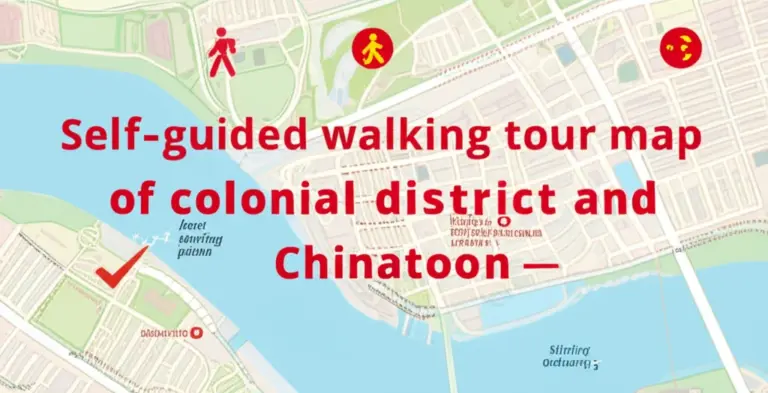
Here’s a general map of the Glodok area to help you visualize your route:
Timing Your Tour: Maximizing Your Experience
The success of your self-guided Colonial and Chinatown tours largely depends on optimal timing. Jakarta’s tropical climate and bustling city life require careful planning.
| Aspect | Recommendation | Reason |
|---|---|---|
| Best Time of Day | Early morning (7 AM – 11 AM) or late afternoon (3 PM – 6 PM) | Avoids the peak heat and larger crowds, especially for walking tours. |
| Best Days of Week | Weekdays for Kota Tua, any day for Glodok | Kota Tua can be extremely crowded on weekends. Glodok markets are lively daily. |
| Duration | Half-day for each district (3-4 hours per area) | Allows for thorough exploration without rushing. Consider a full day if combining both. |
| Weather | Dry season (May to September) | Less rain and more comfortable for walking, though still hot and humid. |
Safety Tips for a Smooth Self-Guided Journey
While generally safe for tourists, being prepared and aware enhances your experience. These tips are vital for enjoyable self-guided Colonial and Chinatown tours.
- Personal Belongings: Keep valuables secure and out of sight. Use a cross-body bag worn in front, or a money belt. Be wary of pickpockets in crowded areas.
- Hydration and Sun Protection: Carry plenty of water. Wear a hat, sunglasses, and apply sunscreen generously. The tropical sun can be intense.
- Local Etiquette: Dress modestly, especially when visiting religious sites. Be respectful of local customs and traditions.
- Emergency Contacts: Have local emergency numbers saved on your phone (Police: 110, Ambulance: 118). Consider carrying a small card with your hotel information and a local contact person.
- Situational Awareness: Stay alert to your surroundings, especially in crowded markets or busy streets. Avoid walking alone in dimly lit areas at night.
Enhancing Your Self-Guided Tour: Local Insights
Beyond the historical sites, Jakarta’s colonial and Chinatown areas offer a rich tapestry of local life. Embrace these elements to truly enhance your journey:
- Culinary Adventures: Don’t miss the street food! In Glodok, try local favorites like Bakso or Siomay. In Kota Tua, indulge in traditional snacks from street vendors. Be adventurous, but choose vendors with good hygiene.
- Basic Indonesian Phrases: Learning a few basic phrases like ‘Terima Kasih’ (Thank You), ‘Permisi’ (Excuse Me), and ‘Berapa harganya?’ (How much is it?) can go a long way in interacting with locals and enriching your experience.
- Souvenir Hunting: Glodok is excellent for unique Chinese trinkets, herbs, and traditional goods, while Kota Tua offers handicrafts and vintage items. Bargaining is often expected in markets.
To get a visual sense of the vibrant atmosphere you’ll encounter, watch this video exploring Kota Tua and Glodok:
คำถามที่พบบ่อย (FAQ)
Embarking on self-guided Colonial and Chinatown tours in Jakarta is an enriching way to connect with Indonesia’s diverse historical narrative. By meticulously planning your route, understanding the best times to visit, utilizing effective navigation tools, and prioritizing safety, you’re set for an unforgettable adventure. Whether you’re an Indonesian local rediscovering your heritage or an international visitor seeking authentic cultural experiences, Jakarta’s old towns await your exploration. Pack your curiosity, prepare for discovery, and let the stories of the past unfold at your own pace. Happy travels!
References
- GOING BACK TO JAKARTA IN 2022 | Exploring Kota Tua & Glodok – YouTube
- Jakarta, Indonesia Walking through Indonesia’s Oldest Chinatown (4K HDR) – YouTube
- Jakarta Chinatown: A Walk Through Glodok’s Flavours and Colours – Museum of Wander
- Colonial and Chinatown Heritage Walks in Jakarta: Ultimate Self-Guided Route with Must-Try Food Stops
- Why Visit Jakarta’s Colonial and Chinatown Districts? Understanding History, Culture, and What to Expect
- Top Historical Landmarks and Hidden Gems Along the Route: Dutch Architecture, Temples, Museums, and Photo-Worthy Spots