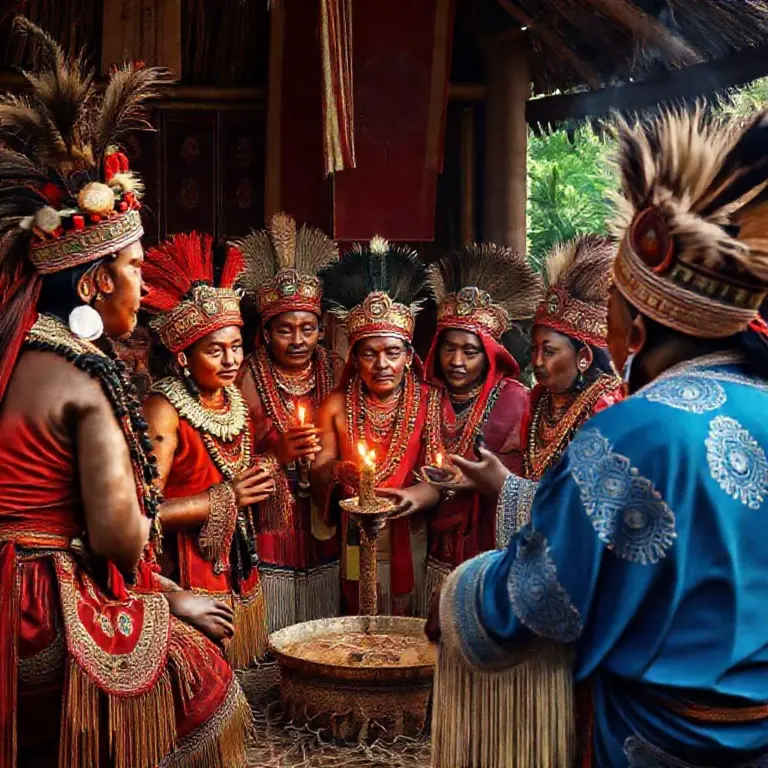
Cultural Practices and Social Structures: Rituals, Kinship, Art, and Indigenous Belief Systems
Indonesia, an archipelago of over 17,000 islands, stands as one of the world’s most vibrant cultural mosaics. For the discerning traveler seeking authentic experiences beyond the beaches, understanding the deep-rooted Cultural Practices and Social Structures: Rituals, Kinship, Art, and Indigenous Belief Systems is paramount. These elements form the very foundation of Indonesian identity, influencing everything from daily life to grand ceremonies. This exploration dives into the intricate social fabric that makes travel here profoundly rewarding.
The Tapestry of Indonesian Social Structures and Kinship
Indonesian society is rarely monolithic; it is a complex layering of localized social structures, often heavily influenced by pre-colonial ethnic groupings. Kinship, the system of social relationships derived from common ancestry or marriage, dictates social obligations, inheritance, and community standing in many regions.
Matrilineal vs. Patrilineal Systems
The structure of family descent varies dramatically across the archipelago. The Minangkabau people of West Sumatra are famous for their **matrilineal** system, where lineage and property pass down through the female line. This grants women significant social and economic standing, a rarity in many parts of the world. Conversely, many Javanese and Balinese communities adhere to **patrilineal** systems, where descent and authority are traced through the male line.
The Role of the Village and Community
In rural Indonesia, the concept of ‘gotong royong’ (mutual cooperation) defines community interaction. This philosophy underpins social organization, ensuring that communal tasks, from building a house to organizing a major ritual, are shared responsibilities. Tourists witnessing these interactions gain insight into a social structure built on interdependence rather than individualism.
Sacred Rhythms: Rituals and Ceremonies
Rituals serve as the public expression of belief systems, marking transitions in life, appeasing spirits, and maintaining cosmic balance. These ceremonies are often the most visually stunning aspects of Indonesian culture for visitors.
Balinese Hinduism (Agama Tirta)
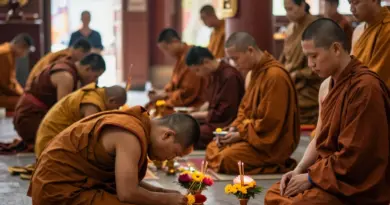
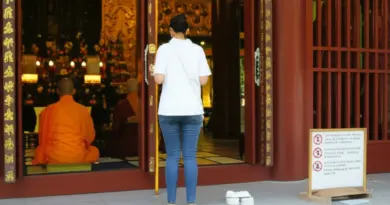
Nowhere are rituals more pervasive than in Bali. The Balinese Hindu tradition, known as Agama Tirta (Religion of Holy Water), structures daily life through offerings (canang sari), temple festivals (odalan), and elaborate cremation ceremonies (ngaben). Understanding these rituals is key to respecting sacred spaces.
Torajan Funeral Rites
In the highlands of Sulawesi, the Torajan people conduct complex, multi-day funeral ceremonies that can take years to organize. These events are massive social undertakings, reinforcing kinship ties and displaying the family’s status. The deceased are often kept in the house for months or years before the final rites are performed.
Indigenous Belief Systems: Animism and Syncretism
Before the widespread adoption of major world religions, animistic and dynamic spiritual beliefs dominated the archipelago. Today, many Indonesian belief systems are a testament to syncretism—the blending of ancient indigenous practices with Hinduism, Buddhism, Islam, or Christianity.
The Kaharingan Tradition of Kalimantan
The Dayak peoples of Borneo often follow the Kaharingan tradition, an animistic faith centered on communication with ancestral spirits and nature deities. Rituals involve shamanic trance states and complex oral traditions designed to ensure harmony between the human and spirit worlds. Learning about Kaharingan provides insight into deep ecological respect.
Spiritual Geography and Sacred Sites
Many natural landmarks—specific mountains, ancient trees, or unique rock formations—are imbued with spiritual significance. These sites are not merely scenery; they are active components of the belief system, requiring specific behavioral protocols from locals and informed visitors alike. The presence of powerful spiritual beliefs often dictates land use and resource management, offering lessons in sustainable living.
Art as a Medium for Cultural Transmission
Indonesian art is inseparable from its social and spiritual context. It is rarely created purely for aesthetic appreciation; rather, it serves functional, ritualistic, or narrative purposes.
The Narrative Power of Wayang Kulit
Javanese and Balinese shadow puppetry, Wayang Kulit, is a sophisticated art form that acts as a living library of morality tales, epic poems (like the Ramayana and Mahabharata), and social commentary. The puppeteer (dalang) is a highly respected figure who interprets complex philosophical ideas for the community.
Batik and Ikat: Woven Philosophies
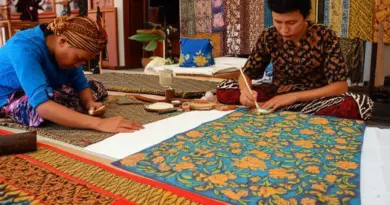
Textiles are powerful markers of status and identity. Batik (wax-resist dyeing) and Ikat (tie-dyeing the threads before weaving) patterns often carry specific symbolic meanings tied to local mythology or social rank. A piece of high-quality, traditional textile is a direct reflection of the weaver’s skill and the cultural narratives they uphold.
To truly appreciate Indonesia, one must look past the surface-level attractions and engage respectfully with these foundational elements. By understanding the **Cultural Practices and Social Structures: Rituals, Kinship, Art, and Indigenous Belief Systems**, tourists become responsible guests, ensuring these traditions thrive for generations to come.
คำถามที่พบบ่อย (FAQ)
References
- Exploring Indonesia’s Ethnic Diversity: A Complete Guide to the Archipelago’s Tribal Cultures and Traditions
- Understanding Indonesia’s Ethnic Landscape: Major Groups, Languages, and Geographic Distribution
- Regional Case Studies: Bali, Flores, Papua, and the Lesser Sunda Islands’ Unique Tribal Heritage