Why Community-Based Tourism Matters in Flores: Benefits for Visitors and Local Communities
Flores, an island gem in Indonesia’s East Nusa Tenggara, captivates with its dramatic landscapes, rich cultural tapestry, and the legendary Komodo dragons. While its natural beauty is undeniable, the true essence of Flores lies in its vibrant communities. This is where Community-Based Tourism in Flores emerges as a powerful model, transforming how visitors experience the island and profoundly impacting the lives of its inhabitants. Far from conventional mass tourism, CBT prioritizes authentic engagement, cultural exchange, and sustainable development, creating a win-win scenario for both travelers and the local people who call Flores home.
Understanding Community-Based Tourism (CBT) in Flores
Community-Based Tourism (CBT) is an approach to tourism development where local communities have substantial control over, and involvement in, its management and development, and a significant proportion of the benefits remain within the community. In Flores, this translates into initiatives that empower villagers to host guests, manage guesthouses, guide tours, and showcase their traditional crafts and way of life. It’s about more than just visiting a place; it’s about becoming a temporary part of it. The principles of CBT align perfectly with the unique context of Flores, an island known for its diverse ethnic groups, ancient traditions, and stunning natural wonders that require careful preservation.
Enriching Experiences for Visitors
For travelers seeking more than just picturesque scenery, Community-Based Tourism in Flores offers a depth of experience unmatched by mainstream tourism. It provides a window into the soul of the island, fostering connections that transcend typical tourist-local interactions.
Authentic Cultural Immersion
Imagine waking up in a traditional conical house in Wae Rebo, sharing a meal with a local family, or learning the intricate art of weaving from a master craftswoman in a village like Bena. CBT allows visitors to participate in daily life, witness ancient rituals, and understand the customs that have shaped these communities for centuries. This isn’t a staged performance; it’s genuine cultural exchange, offering insights that guidebooks can’t provide. [5]
Unique Adventures and Nature Exploration
Beyond cultural encounters, CBT often leads visitors to lesser-known natural wonders, guided by locals who possess intimate knowledge of their ancestral lands. Trek through lush rice paddies, discover hidden waterfalls, or embark on responsible wildlife encounters with guides who understand the importance of conservation. These experiences are often more sustainable, minimizing environmental impact while maximizing appreciation for Flores’ pristine ecosystems. [3]
Meaningful Connections and Learning
The opportunity to connect with local hosts, share stories, and learn about their lives is a hallmark of CBT. Visitors gain a deeper understanding of the challenges and triumphs of remote communities, fostering empathy and a global perspective. This human connection transforms a trip into a profound journey, leaving travelers with lasting memories and a sense of having contributed positively. [5]
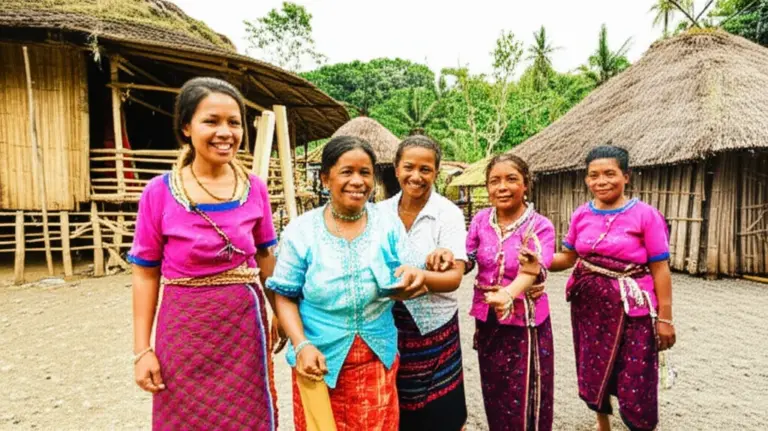
Experience the local life and community interactions in Ruteng, Flores. [5]
Empowering Local Communities
The benefits of Community-Based Tourism in Flores extend far beyond the visitor experience, directly addressing the needs and aspirations of local communities. It provides a sustainable pathway to development, ensuring that tourism serves as a tool for empowerment rather than exploitation.
Economic Empowerment and Job Creation
One of the most immediate benefits is the direct injection of tourism revenue into local economies. Villagers earn income as guides, homestay operators, artisans, and providers of local produce. This creates diversified livelihoods, reduces reliance on traditional, often precarious, sectors like agriculture, and stems rural-urban migration. The money earned often circulates within the community, supporting other local businesses and services. [2]
Cultural Preservation and Revitalization
When traditions, crafts, and performing arts become valued by visitors, communities are incentivized to preserve and revitalize them. CBT provides a platform for showcasing cultural heritage, ensuring that younger generations appreciate and continue their ancestral practices. This fosters a sense of pride and identity, preventing cultural erosion in the face of modernization. [4]
Environmental Stewardship
Local communities, with their deep connection to the land, are often the best custodians of their natural environment. CBT initiatives frequently incorporate environmental education and conservation efforts. When tourism revenue is linked to the health of ecosystems, communities have a strong incentive to protect their natural resources, from coral reefs to rainforests. This leads to more sustainable practices and reduced ecological footprints. [2]
Infrastructure Development and Social Growth
The success of CBT can attract investment and support for improved infrastructure within communities, such as better roads, clean water access, and communication networks. Furthermore, the collaborative nature of CBT projects often strengthens social cohesion, builds leadership skills, and empowers women and youth to take active roles in their community’s development. [2]
The Path Forward: Challenges and Opportunities for CBT in Flores
While the benefits are substantial, the growth of Community-Based Tourism in Flores is not without its challenges. Issues such as ensuring equitable distribution of benefits, managing visitor expectations, and maintaining cultural integrity require ongoing attention. However, with careful planning, strong local leadership, and supportive government and NGO partnerships, CBT can continue to thrive. Visitors also play a crucial role by choosing responsible tour operators, respecting local customs, and engaging thoughtfully with their hosts. The future of sustainable tourism in Flores heavily relies on maintaining this delicate balance.
Conclusion
Community-Based Tourism in Flores is more than just a trend; it’s a philosophy that champions mutual benefit and sustainable development. For visitors, it unlocks unparalleled opportunities for authentic cultural immersion, unique adventures, and meaningful personal connections. For the local communities, it provides vital economic empowerment, fosters cultural preservation, encourages environmental stewardship, and stimulates social growth. As Flores continues to emerge as a premier Indonesian destination, supporting and participating in CBT initiatives is paramount to ensuring its beauty and heritage endure for generations to come. Embrace responsible travel, and let the heart of Flores reveal itself through its people.
คำถามที่พบบ่อย (FAQ)
References
- Swisscontact: SUSTOUR Project (Sustainable Tourism Development Program in Indonesia) [2]
- The Roving Balys: Our Top 10 Must-See Places to Visit | Flores Indonesia Travel Guide [3]
- The Roving Balys: Exploring FLORES Indonesia: Our Road Trip With Flying The Nest Expeditions [4]
- The Lost Boys: FLORES, INDONESIA | Visiting the Local Market, Hobbit Cave (Liang Bua), and Rice Farmers | Ruteng [5]
- Community-Based Tourism in Flores: Homestays, Weaving Villages, and Local Food — A Complete Guide for Authentic Cultural Experiences
- How to Choose and Book Authentic Homestays in Flores: What to Expect, Etiquette, and Sustainable Practices
- Exploring Weaving Villages: Traditional Techniques, Workshops, and Supporting Local Artisans