Community-Based Tourism in Flores: Homestays, Weaving Villages, and Local Food — A Complete Guide for Authentic Cultural Experiences
- Community-Based Tourism in Flores: Homestays, Weaving Villages, and Local Food — A Complete Guide for Authentic Cultural Experiences
- What is Community-Based Tourism (CBT) in Flores?
- Embracing Flores Homestays: Your Home Away From Home
- Discovering Flores’ Weaving Villages
- A Culinary Journey: Savoring Flores Local Food
- Planning Your Authentic Flores Adventure
- Beyond Homestays and Weaving: Other Cultural Experiences
- Conclusion
- คำถามที่พบบ่อย (FAQ)
Flores, an island in Indonesia’s East Nusa Tenggara province, offers a unique alternative to mainstream tourism. For those seeking genuine connection and a deeper understanding of local life, Community-Based Tourism in Flores provides an unparalleled opportunity. This guide explores how embracing homestays, visiting traditional weaving villages, and savoring local food can lead to truly authentic cultural experiences, all while supporting the island’s communities responsibly. Flores is attracting a different kind of visitor—backpackers, divers, and nature lovers willing to venture off the beaten path. [17]
What is Community-Based Tourism (CBT) in Flores?
Community-Based Tourism (CBT) is an approach that allows visitors to engage directly with local communities, experiencing their culture, traditions, and daily lives firsthand. Unlike conventional tourism, CBT prioritizes the well-being and empowerment of the local people, ensuring that tourism benefits flow directly to them. In Flores, this model is deeply rooted in respect for local traditions and environmental stewardship. [17] It’s a sustainable way to explore the island, fostering mutual understanding and cultural exchange. Organizations like Eco Flores and projects such as SUSTOUR actively promote sustainable tourism and its benefits for local communities. [26, 27, 29]
The Philosophy Behind CBT
The core principle of CBT is sustainability – economically, socially, and environmentally. It aims to maximize the positive contributions of tourism for local communities, providing income and reviving pride in local culture, while incentivizing conservation. [17, 26] This means that instead of large, impersonal resorts, you’ll find locally-owned homestays, guides from the village, and traditional crafts made by community members. Fees often go directly to village funds, which support essential services like schools and water infrastructure, and help preserve cultural heritage. [17]
Why Choose CBT in Flores?
Authentic Encounters Await!
Choosing Community-Based Tourism in Flores means more than just sightseeing; it means becoming part of the story. You’ll gain insights into the rich cultural tapestry of the island, from ancient animist beliefs blended with Catholicism to daily rituals that have stood the test of time. [18] It’s an opportunity to forge meaningful connections, learn directly from locals, and contribute positively to their livelihoods.
Embracing Flores Homestays: Your Home Away From Home
Homestays are the heart of Community-Based Tourism in Flores. They offer a unique chance to live like a local, sharing meals and daily routines with a host family. This immersive experience is far removed from typical hotel stays, providing a window into the genuine hospitality and traditions of Flores’ people. Villages like Wae Rebo and Bena are renowned for their homestay options, allowing visitors to truly integrate into village life. [1, 9, 13, 14, 39]
The Homestay Experience
Imagine waking up to the sounds of village life, sharing a simple breakfast prepared by your host, and perhaps even joining them in their daily tasks, such as farming or coffee processing. In Wae Rebo, you might stay overnight in a traditional cone-shaped Mbaru Niang house, sleeping on the floor and sharing communal meals. [13, 14, 39] These experiences are not about luxury, but about authenticity and connection. The Flores Homestay Network is an initiative dedicated to establishing and supporting community-based homestays, ensuring quality experiences for both hosts and guests. [30]
Etiquette and Expectations
When staying in a Flores homestay, it’s important to be respectful of local customs. Dress modestly, especially in traditional villages. Always ask for permission before taking photos of people. A small gift or contribution to the family is often appreciated, though not always expected. Embrace the simplicity, be open to new experiences, and communicate your gratitude. Learning a few basic Indonesian phrases can also go a long way in fostering warmer interactions.
Discovering Flores’ Weaving Villages
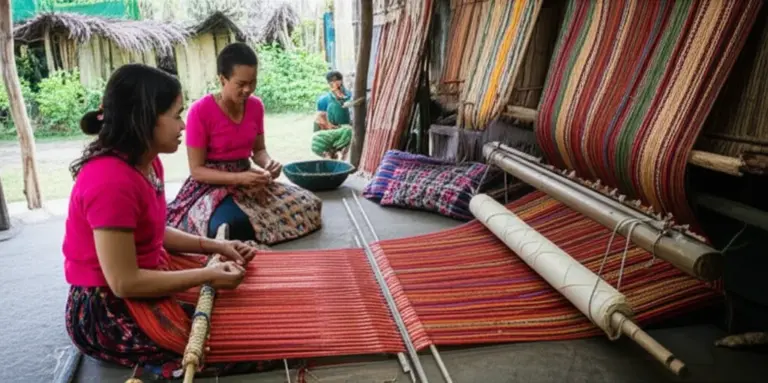
Flores is renowned for its exquisite ikat weaving, a complex and ancient textile art form. Visiting a weaving village is a highlight of Community-Based Tourism in Flores, offering a chance to witness this intricate craft firsthand and support the artisans directly. The island’s many weaving communities, such as those in Sikka, Maumere, and Ende, keep this heritage alive. [6]
The Art of Ikat Weaving
Ikat is a resist-dyeing technique where threads are carefully tie-dyed before being woven on a backstrap loom. [6, 15] The process is labor-intensive and can take weeks or even months for a single piece, especially when natural dyes are used. [28, 34] Each ethnic group in Flores has its distinct ikat designs and motifs, often imbued with spiritual meaning and reflecting the weaver’s journey. [6, 21, 34] These textiles are not just decorative; they are integral to daily life, ceremonies, and even serve as dowry. [6, 21, 28]
Watch the intricate process of traditional ikat weaving in a Flores village.
Visiting Traditional Villages (e.g., Wae Rebo, Bena)
Among the most famous are Wae Rebo and Bena. Wae Rebo, a UNESCO-recognized village, is nestled high in the mountains and accessible only by a challenging trek. Its unique cone-shaped Mbaru Niang houses are a sight to behold, and visitors are welcomed with traditional ceremonies. [5, 9, 10, 13] Bena, located at the foot of Mount Inerie, is known for its megalithic structures and houses arranged in two rows, interspersed with ancestral totems. [1, 4, 7] In these villages, you can often see women weaving, purchase authentic textiles directly from the artisans, and learn about the cultural significance of their craft. [1, 18, 28]
A Culinary Journey: Savoring Flores Local Food
No authentic cultural experience is complete without indulging in the local cuisine. Community-Based Tourism in Flores offers a delicious array of traditional dishes, often prepared with fresh, locally sourced ingredients. Eating at local warungs (small family-owned restaurants) or sharing meals with your homestay family provides a true taste of Flores.
Must-Try Dishes
Flores offers a distinctive culinary scene. Be sure to try:
- Ubi Nuabosi: A popular variety of sweet potato, often boiled, fried, or roasted and served with dried salted fish. [8]
- Catemak Jagung: A healthy and popular dish made with corn, peanuts, green beans, and pumpkin, often enjoyed as a savory dish. [8]
- Jawada: A sweet, crispy snack shaped like a golden triangle, made from palm sugar, coconut milk, and rice flour. [8]
- Tapa Kolo: Red rice cooked in bamboo over an open fire, often served during traditional ceremonies with meat. [8]
- Seafood: Given its island location, fresh seafood is abundant, often prepared in traditional Flores style with local spices like coconut and banana blossom. [41]
Local Markets and Cooking Classes
Exploring local markets is a feast for the senses and a great way to understand the ingredients that form the backbone of Flores cuisine. Many CBT programs or homestay hosts might offer informal cooking demonstrations or classes, allowing you to learn how to prepare traditional dishes yourself. This is an excellent way to deepen your cultural immersion and take a piece of Flores’ culinary heritage home with you.
Planning Your Authentic Flores Adventure
To make the most of your Community-Based Tourism in Flores experience, a little planning goes a long way. Flores is an island of dramatic landscapes and challenging roads, but the rewards are immense. [39]
Best Time to Visit
The dry season, from May to October, is generally considered the best time to visit Flores, particularly for trekking to villages like Wae Rebo. The weather is more predictable, making travel and outdoor activities more enjoyable. [5] However, the rainy season (November to April) offers lush green landscapes and cooler temperatures, which can also be charming. [5]
Transportation and Logistics
Flores is a long island, and travel can be slow due to winding, sometimes unmaintained roads. [36, 39, 43] Labuan Bajo is the main gateway, often used for trips to Komodo National Park, but to explore the cultural heartland, you’ll need to venture further east. Consider hiring a local driver or joining a specialized Flores overland tour, which often include visits to traditional villages. [19, 25] Public transportation exists but can be less reliable. For remote villages like Wae Rebo, a significant trek is required after reaching the nearest road access point. [2, 9]
Responsible Tourism Tips
To ensure your visit is beneficial to Flores:
- Support Local: Choose locally-owned accommodations, guides, and businesses. [26]
- Respect Culture: Be mindful of local customs, dress codes, and traditions. Ask before photographing. [18]
- Minimize Impact: Reduce waste, especially plastic, and be conscious of water usage. [17]
- Learn & Engage: Show genuine interest in the local way of life and engage in respectful dialogue. [17]
Beyond Homestays and Weaving: Other Cultural Experiences
While homestays and weaving villages are central, Flores offers a myriad of other authentic cultural encounters that complement Community-Based Tourism in Flores.
Traditional Ceremonies
Depending on the time of your visit, you might be fortunate enough to witness traditional ceremonies, which are deeply spiritual and culturally significant. These can range from harvest festivals to ancestral rituals, often involving music, dance, and communal feasting. In Bena, sacrifices are held three times a year, and village elders still uphold traditional beliefs. [1]
Coffee Plantations
Flores is also known for its high-quality coffee. Visiting a local coffee plantation offers insight into the cultivation, harvesting, and processing of coffee beans, a vital part of the island’s economy and culture. You can often participate in the process and, of course, enjoy a fresh cup of Flores coffee. In Wae Rebo, visitors can drink hand-roasted Flores coffee. [13]
Conclusion
Embarking on a journey of Community-Based Tourism in Flores is an invitation to explore an Indonesia far removed from the usual tourist trails. It’s an opportunity for profound cultural immersion, where every homestay, every woven fabric, and every shared meal tells a story. By choosing this path, you not only enrich your own travel experience but also contribute directly to the preservation of Flores’ unique heritage and the sustainable development of its communities. Prepare to be captivated by the warmth of its people, the beauty of its traditions, and the unforgettable authenticity of Flores.
คำถามที่พบบ่อย (FAQ)
Community-Based Tourism (CBT) in Flores is a sustainable travel approach where visitors directly engage with local communities to experience their culture, traditions, and daily life. It ensures tourism benefits the local people, supporting their livelihoods and cultural preservation. [17]
In a Flores homestay, you can expect an immersive experience living with a local family. This often includes sharing meals, participating in daily village activities like farming, and staying in traditional houses, such as the Mbaru Niang in Wae Rebo. It’s an opportunity for genuine cultural exchange and connection. [13, 14, 39]
Flores has numerous weaving communities, particularly in regions like Sikka, Maumere, Ende, and Ngada. Traditional villages such as Bena and Wae Rebo also offer opportunities to see and purchase intricate ikat textiles directly from local artisans. [6, 18, 28]
When in Flores, don’t miss Ubi Nuabosi (sweet potato), Catemak Jagung (a savory dish with corn and vegetables), Jawada (a sweet crispy snack), and Tapa Kolo (red rice cooked in bamboo). Freshly prepared seafood is also a local delicacy. [8, 41]
Practice responsible tourism by supporting local businesses, choosing locally-owned accommodations, respecting local customs and traditions, minimizing your environmental impact (especially plastic waste), and engaging respectfully with the communities you visit. [17, 26]
References
- Lonely Planet – Bena, Flores
- Runaway Traveller – Wae Rebo: How to Visit Indonesia’s Remote Mountain Village
- Top Komodo Tours – Bena Traditional Village in Flores Island
- Flores Pristine Tour – Wae Rebo Village Tour: A Hidden Gem in Flores, Indonesia
- The Encyclopedia of Crafts in WCC-Asia Pacific Region (EC-APR) – Ikat Flores
- Komodo Island Tours – Bena Traditional Village
- Waturanda Trip – 6 Delicious Traditional Flores Treats
- Authentic Indonesia Blog – Wae Rebo Village, A Place Above the Clouds in Flores
- Flores Indonesia – Wae Rebo Trekking Tour
- Nusa-Tenggara.com – Bena Traditional Village
- Komodo Expedia Travel – Bena Village: A Window into Ancient Ngada Culture
- Ina’s Kitchen and Tours – Flores Indonesia Cultural Tours
- The World Travel Guy – How To Visit Wae Rebo Village In Flores, Indonesia
- Wicked Adventures – Heritage of Threads: Textiles on Flores and Sumbawa
- Flores Pristine Tour – Eco Tour in Flores: Discover Nature’s Beauty at Uma Lantar Farm
- TheIndonesia.co – Can Eco-Tourism in Flores Protect Nature and Support Local Livelihoods?
- Responsible Travel – Culture in Flores
- Flores Road Trip – Flores Authentic Tour
- YouTube – Traditional ikat weavers in Flores, Indonesia
- Flores Traveler – Flores Indigenous Experience
- YouTube – The Process of Making Tenun Flores
- YouTube – Meeting Alfonsa Horeng, the legendary weaver & teacher from Flores
- YouTube – Indonesia: Around Flores in 7 Days
- IndonesiaJuara Trip – 10 Must-Try Traditional Dishes from Manggarai When Visiting Labuan Bajo!
- YouTube – Our Top 10 Must-See Places to Visit | Flores Indonesia Travel Guide
- AMINEF – Fixing a Feast of Famous Flores Food
- YouTube – Exploring FLORES Indonesia: Our Road Trip With Flying The Nest Expeditions
- Eco Flores – Ecotourism, Flores Indonesia
- YouTube – Flores Homestay Network workshop July 2014
- Swisscontact – The Journey of sustainable tourism in Indonesia (SUSTOUR)
- Flores Exotic Tours – Sustainability Policy