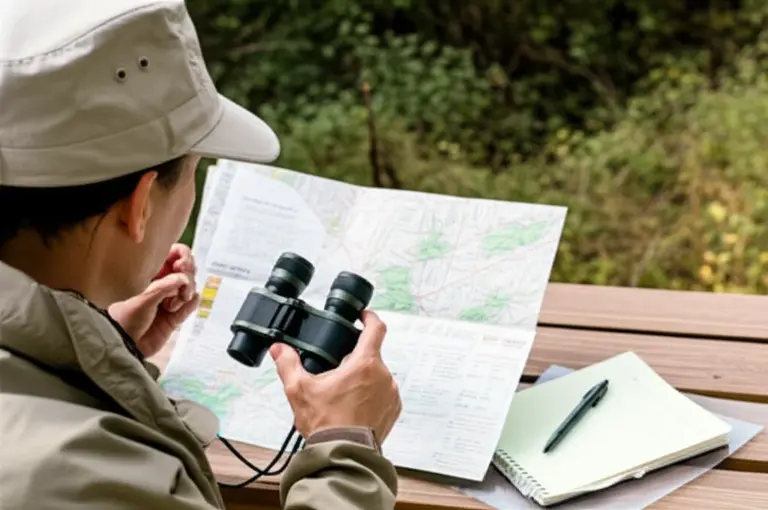
How to plan a crowd-free birding trip — best times, guided vs self-guided options, permits, and transport
- How to plan a crowd-free birding trip — best times, guided vs self-guided options, permits, and transport
Indonesia, an archipelago nation boasting over 1,700 bird species—many of which are endemic—offers some of the world’s most spectacular birdwatching opportunities. While famous sites can draw crowds, careful planning allows for a truly crowd-free birding trip focused on remote, pristine habitats. This comprehensive guide details the essential steps, from timing your visit perfectly to navigating complex logistics like permits and transport, ensuring your Indonesian birding adventure is both successful and solitary.
Mastering the Timing: Best Seasons for Birdwatching in Indonesia
Timing is the single most crucial factor in planning a successful and crowd-free birding trip. While Indonesia is tropical year-round, the seasonality of rainfall significantly impacts bird activity, accessibility, and the presence of other travelers.
The Dry Season Advantage (May to September)
The dry season is generally considered the best time for birding across most of Indonesia, particularly in the western and central islands. Lower rainfall means less dense foliage, making birds easier to spot, and trails are far more accessible. Furthermore, fewer international tourists travel during the shoulder months (May and September), minimizing crowds.
- Peak Activity: Birds are often more vocal and active early in the dry season, coinciding with breeding periods.
- Accessibility: Roads, especially in remote areas of Sulawesi and Sumatra, are less muddy and treacherous.
Regional Considerations for Crowd Avoidance
| Region | Best Crowd-Free Timing | Key Species Example |
|---|---|---|
| Sumatra & Java | June – August (Avoid public holidays) | Rhinoceros Hornbill, Javan Hawk-Eagle |
| Borneo (Kalimantan) | July – September | Bornean Bristlehead, Pittas |
| Wallacea (Sulawesi, Moluccas) | September – November (Before heavy monsoon) | Maleo, Red-and-blue Lory |
| Papua/West Papua | October – April (Lowlander species are active) | Birds of Paradise (timing varies by altitude) |
Guided vs. Self-Guided: Choosing Your Birding Adventure
The choice between a guided tour and a self-guided expedition profoundly impacts the ‘crowd-free’ nature of your trip and your overall success rate, especially when seeking endemic species.
The Benefits of Local Guides for Solitary Trips
While a guided trip might sound less ‘crowd-free,’ hiring a highly specialized local guide (often just one person) is frequently the best way to access truly remote, less-visited sites. These local experts possess unparalleled knowledge of specific territories, often far from the main tourist circuits, ensuring you see rare birds without competing with large tour groups.
The Thrill of Self-Guided Exploration
Self-guided trips maximize independence and are inherently crowd-free. However, they demand extensive preparation, including deep familiarity with eBird data, local geography, and language skills. This option is best suited for well-traveled birders targeting accessible national parks (like Gunung Gede Pangrango in Java) or established, but remote, reserves.
Essential Permits and Conservation Fees
In Indonesia, accessing national parks (Taman Nasional) and conservation areas requires official permits (often called SIMAKSI). For truly remote areas, obtaining permits might involve dealing with local village chiefs (Kepala Desa) or regional forestry offices (Dinas Kehutanan) in addition to central government offices. This bureaucracy is often easier to navigate through a trusted local agent or guide, even if the rest of your trip is self-guided.
Crowd-Free Transport Strategies
Avoiding crowds means avoiding standard tourist transport routes. In remote Indonesian islands, this often means relying on chartered motorcycles (ojek) or renting a private 4×4 vehicle with a driver who knows the poor road conditions. For inter-island travel, choose smaller, regional airlines or slow, local ferries over major commercial routes.
When planning your journey to achieve a crowd-free birding trip, remember that the journey itself is often part of the adventure. Be prepared for delays and unexpected changes when traveling to remote Indonesian destinations.
Ethical Birding and Responsible Tourism
As you seek out pristine, crowd-free environments, it is vital to practice responsible tourism. Indonesia’s biodiversity is fragile, and many endemic species are threatened by habitat loss and the illegal pet trade.
Always prioritize the bird’s well-being over a perfect photograph. Minimize playback use, never trim vegetation, and support local conservation initiatives directly.
By investing in local guides and staying in small, community-run guesthouses near remote birding sites, you ensure that the economic benefits of your trip directly support the communities protecting these habitats. This sustainable approach helps keep these areas crowd-free and ecologically sound for future birders.
Visualizing the Indonesian Birding Experience
To better understand the incredible diversity and the remote locations you might encounter, watch this short documentary on birding in the Lesser Sundas, a perfect example of a truly unique and crowd-free destination:
Planning a crowd-free birding trip to Indonesia requires patience, respect for local customs, and meticulous preparation, but the reward—sighting rare, endemic species in solitude—is unparalleled.
- Timing: Aim for the dry season (May-September), but travel during shoulder months (May, September) or focus on regional dry spells to avoid peak crowds.
- Guidance: Utilize specialized local guides for permits and access to hyper-local, uncrowded spots.
- Logistics: Secure permits early and plan for rugged, specialized transport (4x4s, chartered boats) to reach remote habitats.
คำถามที่พบบ่อย (FAQ)
What is the absolute best time to see migratory birds in Indonesia?
The peak migratory period, particularly for shorebirds and raptors, typically runs from September to March. However, seeking a crowd-free experience means focusing on less-known stopover points rather than famous coastal areas, or traveling during the transition months of September/October.
Are permits difficult to obtain for remote birding locations in Indonesia?
Obtaining permits (SIMAKSI) for remote National Parks can be time-consuming and bureaucratic, often requiring applications weeks in advance. For the most remote, crowd-free sites (especially those governed by customary law or local villages), working with a local birding agency or guide is highly recommended to streamline the process.
How can I ensure my birding trip is environmentally responsible?
To ensure environmental responsibility, minimize the use of bird call playback, maintain a safe distance from nests and feeding sites, and adhere strictly to ‘leave no trace’ principles. Crucially, support local conservation by hiring certified local guides and staying in locally owned accommodations rather than large, foreign-owned resorts.