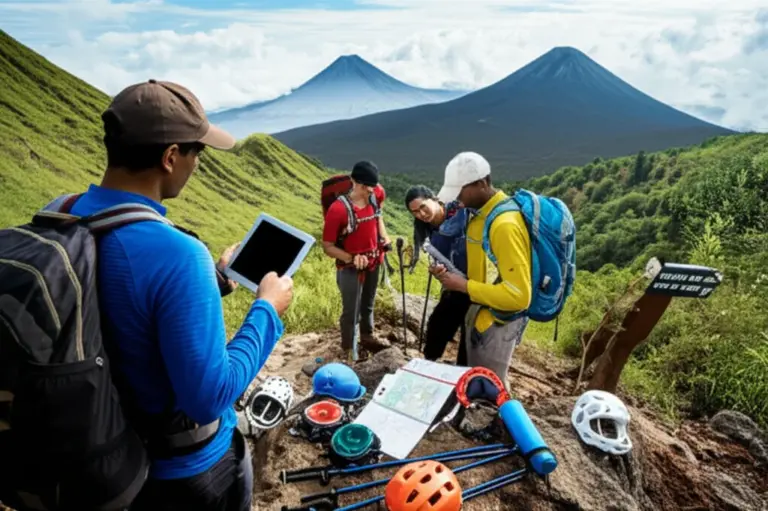
Best time, permits, and safety tips for day hikes to Mahawu, Lokon, and Soputan (weather windows, guided vs self-guided, park fees)
- Best time, permits, and safety tips for day hikes to Mahawu, Lokon, and Soputan (weather windows, guided vs self-guided, park fees)
North Sulawesi, Indonesia, is a paradise for adventurous travelers, offering lush landscapes and challenging volcanic ascents. For those seeking invigorating outdoor experiences, planning successful day hikes to Mahawu, Lokon, and Soputan requires careful consideration of timing, logistics, and safety. These three prominent volcanoes—Mahawu (dormant and accessible), Lokon (highly active), and Soputan (one of Indonesia’s most active)—present distinct challenges and rewards. This comprehensive guide provides tourists with the essential information needed to conquer these majestic peaks responsibly and safely.
Timing Your Ascent: Best Weather Windows and Seasons
Indonesia experiences two primary seasons: the dry season and the wet season. Choosing the right time is paramount for comfortable hiking and clear summit views.
Dry Season vs. Wet Season Considerations
| Season | Duration | Hiking Conditions | Recommendation |
|---|---|---|---|
| Dry Season | April to October | Minimal rain, clear skies, drier trails. Ideal for steep ascents like Lokon and Soputan. | Highly Recommended. Best time for panoramic views. |
| Wet Season | November to March | Frequent heavy rainfall, high humidity, slippery trails, and obscured views. | Hike Mahawu (easier access) only; avoid Lokon/Soputan due to mud and safety risks. |
Optimal Daily Start Time
For all three peaks, an early start is crucial. Aim to begin your ascent between 4:00 AM and 6:00 AM. This allows you to reach the summit before the intense midday heat and, more importantly, before the common afternoon cloud cover rolls in, preserving your visibility. Mahawu is quick (1-2 hours up), but Lokon and Soputan require a full day’s commitment.
Essential Logistics: Permits, Park Fees, and Access
While the logistics for these mountains are generally less bureaucratic than major national parks like Bromo-Tengger-Semeru, certain procedures and fees are mandatory, particularly for foreign tourists.
Mahawu and Lokon Access (Tomohon Area)
Mahawu and Lokon are easily accessible from the town of Tomohon, the ‘City of Flowers.’
- Park Fees: There are typically small, informal entrance fees (often less than 50,000 IDR) collected by local community groups (Pokdarwis) managing the trailhead access. Always carry small denominations of cash.
- Registration: Hikers, especially those undertaking day hikes to Mahawu, Lokon, and Soputan, must register their presence at the local post or village office near the trailhead. This is vital for safety monitoring.
- Location Context: These volcanoes sit in the heart of the Minahasa highlands.
Location Map: Tomohon Area
The town of Tomohon serves as the primary base for accessing Mahawu and Lokon.
Soputan’s Status and Restrictions (More remote)
Mount Soputan is one of Indonesia’s most active stratovolcanoes. Due to its frequent activity, access is often strictly regulated or entirely forbidden, especially near the crater zone. Tourists should consult the local disaster mitigation agency (BPBD) or reliable local guides before planning an ascent. Do not attempt Soputan without official permission and a highly experienced local guide.
Safety First: Tips for Successful Day Hikes to Mahawu, Lokon, and Soputan
Volcanic hiking carries inherent risks, which are amplified when dealing with active peaks like Lokon and Soputan. Preparedness is non-negotiable.
Guided vs. Self-Guided: Making the Right Choice
The decision between guided and self-guided hiking depends entirely on the specific volcano:
- Mahawu: Highly recommended for self-guided hikers. The trail is well-maintained, clearly marked (with paved steps in parts), and the risk level is low due to its dormant status.
- Lokon: Guided is strongly recommended. While Lokon is popular, the trails can be steep, unmarked, and conditions can change rapidly due to its high activity level. Guides know the latest safety zones.
- Soputan: Absolutely mandatory to hire an experienced, certified local guide. This is a serious undertaking that requires knowledge of active venting areas and rapid evacuation routes.
Active Volcano Safety Protocols
Always check the official Volcanic Activity Monitoring (PVMBG) status before departing. Lokon often sits at Level II (Waspada/Caution). Never approach the main crater of Lokon (Mount Empung) if the alert level is heightened. Respect all exclusion zones marked by local authorities.
Gear Checklist for Tropical Hikes
Even for day hikes, adequate gear is essential for comfort and emergency preparedness:
- Layered Clothing: Quick-dry base layer, light fleece (for the summit), and a waterproof jacket.
- Footwear: Sturdy hiking boots with good ankle support are vital for the loose volcanic scree.
- Respiratory Protection: A simple face mask or bandana is essential to protect against sulfur fumes, especially near the Lokon crater rim.
- Hydration: Minimum 2-3 liters of water per person.
- Headlamp: Necessary for early morning starts.
To help visualize the terrain and typical conditions, here is a short video detailing the experience of hiking in the Minahasa highlands, focusing on the accessible peaks like Mahawu, which provides a perfect starting point for tourists before tackling the challenges of Lokon and Soputan.
Conclusion: Conquering the Peaks
The volcanoes of North Sulawesi offer some of Indonesia’s most rewarding treks. By respecting the volatile nature of Lokon and Soputan, planning your visit during the dry season, and adhering to local regulations regarding permits and guidance, you can ensure that your day hikes to Mahawu, Lokon, and Soputan are memorable, safe, and exhilarating. Mahawu offers the gentle introduction, while Lokon and Soputan demand respect, preparation, and expert knowledge, securing their place as true highlights of Indonesia tourism.
คำถามที่พบบ่อย (FAQ)
References
- Volcano Discovery: Soputan Activity Monitoring
- Indonesia Tourism Official Information
- Badan Penanggulangan Bencana Daerah (BPBD) – Local Disaster Information
- Volcano Chasing in North Sulawesi: Ultimate Day Hikes to Mahawu, Lokon, and Soputan for Adventure Seekers
- Route breakdown and difficulty levels: trailheads, duration, elevation gain, and what to expect on Mahawu, Lokon, and Soputan
- Flora, fauna, and volcanic features to watch: crater views, fumaroles, endemic species, and photography hotspots