Tanjung Puting & Bukit Duabelas: The Ultimate Guide to Wildlife Spotting, Orangutan Trekking, and Jungle Expeditions in Central Kalimantan
- Tanjung Puting & Bukit Duabelas: The Ultimate Guide to Wildlife Spotting, Orangutan Trekking, and Jungle Expeditions in Central Kalimantan
Embarking on an expedition into Central Kalimantan promises an unparalleled immersion into one of the planet’s most biodiverse ecosystems. For the dedicated nature enthusiast, the twin jewels of this region—Tanjung Puting National Park and Bukit Duabelas National Park—offer distinct yet equally rewarding opportunities for authentic wildlife encounters. If your goal is ethical wildlife spotting, encountering wild orangutans, and undertaking challenging jungle expeditions, mastering the logistics of these two areas is crucial. This ultimate guide ensures your adventure into the green lungs of Borneo is safe, responsible, and unforgettable.
Section 1: Tanjung Puting National Park – The Orangutan Epicenter
Tanjung Puting, located in the southwest of Central Kalimantan, is internationally renowned for its successful orangutan rehabilitation efforts and its accessibility via river. It is the quintessential starting point for any Borneo wildlife adventure.
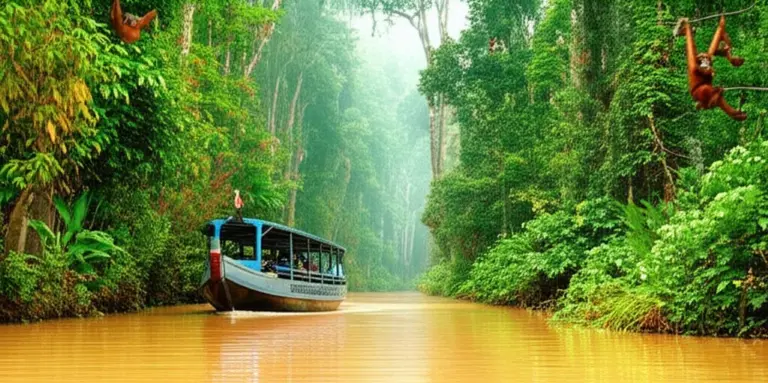
The primary mode of transport and accommodation here is the Klotok, a traditional wooden riverboat equipped with a simple cabin, bed, and often a small cooking area. Traveling by Klotok along the Sekonyer River is not just transportation; it is the journey itself. You drift slowly, surrounded by dense rainforest, allowing for spontaneous sightings of monitor lizards, kingfishers, and perhaps even a crocodile basking on the muddy banks. Booking a multi-day tour (3 to 5 days is recommended) allows for deep exploration.
| Location | Focus | Experience Level |
|---|---|---|
| Tanjung Puting (General) | Orangutan viewing, river travel | Easy/Moderate |
| Bukit Duabelas | Deep jungle trekking, endemic species | Strenuous |
Key Sights: Pondok Tanggui and Camp Leakey
Your itinerary will almost certainly include stops at the feeding platforms. Pondok Tanggui, often the first stop, features semi-wild orangutans who have been taught basic forest survival skills. However, the historical heart of research and rehabilitation is Camp Leakey. Established by Dr. Birutė Galdikas, this site offers the highest chance of seeing older, more habituated orangutans, though interactions are strictly regulated to maintain their wild status.
Beyond Orangutans: Proboscis Monkeys and Clouded Leopards
While the orangutan dominates the narrative, successful **Tanjung Puting & Bukit Duabelas wildlife spotting** requires patience for other species. Along the river edges, look for the comical Proboscis Monkey (Nasalis larvatus), easily identifiable by their large noses. In the deeper, drier forest zones, the elusive Clouded Leopard and various hornbill species are possible sightings for the extremely fortunate observer.
Essential Video Guide: Witnessing the Wild
To visualize the immersive experience of traveling down the Sekonyer River, watch this essential documentary clip:
Section 2: Bukit Duabelas National Park – The Untamed Interior
In contrast to the riverine focus of Tanjung Puting, Bukit Duabelas (or Bukit Bintang Forest Reserve) offers a rugged, terrestrial experience deep within the Central Kalimantan plateau. This area is less developed for mass tourism, making it ideal for serious trekkers seeking primary forest immersion.
The Difference: Trekking vs. River Travel
Access to Bukit Duabelas is logistically harder, usually requiring overland travel from Pangkalan Bun or Palangka Raya to a local entry point, often near Tumbang Miri or similar villages. Here, the primary activity is orangutan trekking on foot. You will be accompanied by local Dayak guides who possess unparalleled knowledge of the terrain and animal tracking. Expect humidity, challenging muddy trails, and significantly fewer established feeding stations.
Discovering Endemic Flora and Fauna
While orangutans exist here, Bukit Duabelas is celebrated by botanists and serious birdwatchers. It hosts a significant portion of Kalimantan’s endemic plant life. Guides may point out medicinal plants or rare hardwood species. Successfully spotting wildlife here requires stillness and respect for the deep jungle environment, moving beyond the easily visible primates of the river parks.
Section 3: Planning Your Ultimate Kalimantan Expedition
To maximize your chances of success in both parks, meticulous planning is essential. This section covers the practicalities that separate a good trip from a truly exceptional one.
Best Time to Visit and Essential Gear
The dry season (typically June to September) is the preferred time for jungle trekking as trails are less waterlogged, though wildlife viewing remains consistent year-round. Essential gear includes:
- High-quality, breathable rain gear (even in the dry season).
- Strong insect repellent (DEET recommended).
- Waterproof camera bag and binoculars.
- Sturdy, broken-in hiking boots for Bukit Duabelas.
Ethical Wildlife Spotting Guidelines (E-E-A-T)
As experts in responsible travel, we emphasize that these are wild animals, not zoo exhibits. Your conduct directly impacts their welfare and future habituation. Always adhere strictly to the park ranger’s instructions. Maintain a minimum distance of 10 meters from orangutans. Never feed the animals, even if tempted to offer fruit. By choosing reputable, locally-owned tour operators who prioritize conservation over spectacle, you contribute directly to the long-term protection of these vital habitats.
For logistical planning, particularly concerning river travel permits and guide coordination out of Pangkalan Bun (the gateway city), consulting official tourism bodies or highly experienced local agencies is vital for establishing trust and authority in your arrangements.
Conclusion: Your Journey into Borneo’s Green Lungs
The contrast between the easily navigable, river-centric experience of Tanjung Puting and the deep, challenging treks of Bukit Duabelas provides a comprehensive look at Central Kalimantan’s incredible biodiversity. Whether you are captivated by the gentle gaze of an orangutan on a Klotok deck or sweating through a primary forest trek searching for rare birds, planning an expedition blending both parks offers the ultimate reward for the serious nature tourist. Prepare thoroughly, travel ethically, and witness the magic of Borneo.
คำถามที่พบบ่อย (FAQ)
1. Is it safe to travel to Tanjung Puting and Bukit Duabelas?
Yes, these national parks are generally safe for tourists when accompanied by licensed guides and operators. The main risks involve the natural environment (insects, humidity, terrain), which are mitigated by proper preparation and following guide instructions.
2. How do I get from Tanjung Puting to Bukit Duabelas?
The journey requires overland travel, usually starting from Pangkalan Bun (near Tanjung Puting) or Palangka Raya. This typically involves hiring a private car or driver, as public transport connections to the remote entry points of Bukit Duabelas are infrequent or non-existent for tourists.
3. Can I see wild orangutans in Tanjung Puting or only semi-rehabilitated ones?
Tanjung Puting hosts both rehabilitated and wild populations. While feeding stations attract semi-wild individuals, trekking deeper into areas like Tanjung Harapan or further upriver can yield sightings of truly wild orangutans that rarely visit the platforms.
4. What is the difference between a Klotok and a standard boat?
A Klotok is specifically adapted for multi-day cruising on the shallow rivers of the park. It features an upper deck for viewing, a sheltered lower cabin for sleeping, and is powered by a slow-moving engine, which minimizes noise pollution and maximizes wildlife viewing opportunities.
References
WWF Borneo Conservation Efforts
Official Central Kalimantan Tourism Portal
- Why Tanjung Puting and Bukit Duabelas Are Unmissable: Wildlife, Ecosystems, and Best Times to Visit
- How to Plan Your Trip: Permits, Transportation (Kumai, Riverboats), Accommodation (Klotok vs. Forest Camps), and Suggested Itineraries
- Wildlife Spotting and Trekking Tips: Where to See Orangutans, Proboscis Monkeys, Hornbills, and Peat-Swamp Species — Responsible Wildlife Viewing Practices