Where is Komodo Island and how to get there: travel logistics, best seasons, and entry requirements for Komodo National Park
- Where is Komodo Island and how to get there: travel logistics, best seasons, and entry requirements for Komodo National Park
- Discovering Komodo National Park: A World Heritage Site
- Where Exactly is Komodo Island Located?
- Planning Your Journey: How to Get to Komodo Island
- Best Time to Visit Komodo National Park
- Essential Entry Requirements for Komodo National Park
- What to Expect: Activities and Attractions
- Sustainable Tourism and Responsible Travel
- คำถามที่พบบ่อย (FAQ)
- Is it safe to visit Komodo Island?
- How many days are recommended for Komodo Island travel?
- What should I pack for a trip to Komodo National Park?
- Can I visit Komodo Island independently without a tour?
Embark on an unforgettable adventure to Komodo Island, a jewel in Indonesia’s vast archipelago, renowned globally for its prehistoric Komodo dragons and breathtaking natural beauty. For any enthusiast of Komodo Island travel, understanding the intricacies of its location, access, and regulations is paramount. This comprehensive guide will navigate you through everything you need to know, from deciphering the best time to visit to mastering the entry requirements for Komodo National Park, ensuring your journey is as smooth and spectacular as the landscapes you’re about to explore. Get ready to uncover the secrets of this majestic destination!
Discovering Komodo National Park: A World Heritage Site
Komodo National Park is not just a place; it’s a living, breathing testament to nature’s raw power and delicate balance. Established in 1980 to protect the Komodo dragon, the world’s largest lizard, the park has since expanded its mission to conserve the entire ecosystem, both terrestrial and marine. In 1991, UNESCO recognized its immense ecological significance by designating it a World Heritage Site and a Man and Biosphere Reserve.
What Makes Komodo Unique?
Beyond the iconic Komodo dragons, the park boasts an extraordinary diversity of flora and fauna. Its rugged hills, savannah grasslands, and pristine white and pink sand beaches create a dramatic backdrop for an equally vibrant underwater world. The marine ecosystem is a diver’s paradise, home to over 1,000 species of fish, 260 species of reef-building coral, and 70 species of sponges, along with dugongs, manta rays, sharks, dolphins, and sea turtles. This unique blend of terrestrial giants and marine marvels makes Komodo an unparalleled destination.
Where Exactly is Komodo Island Located?
Komodo Island is one of the three larger islands (along with Rinca and Padar) that form the Komodo National Park. Geographically, it is situated within the Lesser Sunda Islands of Indonesia, specifically in the East Nusa Tenggara province. It lies between the larger islands of Sumbawa to the west and Flores to the east.
Geographic Context: East Nusa Tenggara, Indonesia
The region is characterized by its volcanic origins, resulting in dramatic landscapes, rugged coastlines, and a distinct dry climate compared to much of Indonesia. The nearest major town and primary gateway to the park is Labuan Bajo, located on the western tip of Flores Island. Understanding this geographical context is crucial for planning your Komodo Island travel itinerary.
Planning Your Journey: How to Get to Komodo Island
Reaching Komodo Island requires a multi-step journey, typically involving air travel to a regional hub followed by a boat trip. The process is straightforward once you understand the key transit points.
The Gateway: Labuan Bajo, Flores
Labuan Bajo, a bustling fishing town on the western coast of Flores, serves as the primary base for exploring Komodo National Park. It has transformed from a sleepy village into a vibrant tourist hub, offering a range of accommodations, restaurants, and tour operators.
Flights to Labuan Bajo
The easiest way to reach Labuan Bajo is by flying into Komodo Airport (LBJ). Direct flights are available from major Indonesian cities:
- From Bali (Denpasar – DPS): This is the most common route, with multiple daily flights operated by airlines like Garuda Indonesia, Citilink, Batik Air, and Wings Air. The flight duration is approximately 1 hour.
- From Jakarta (Soekarno-Hatta International Airport – CGK): Several airlines offer direct flights, typically taking around 2.5 to 3 hours.
- Other Routes: Less frequent flights may be available from other Indonesian cities, often requiring a connection through Bali.
From Labuan Bajo to Komodo National Park
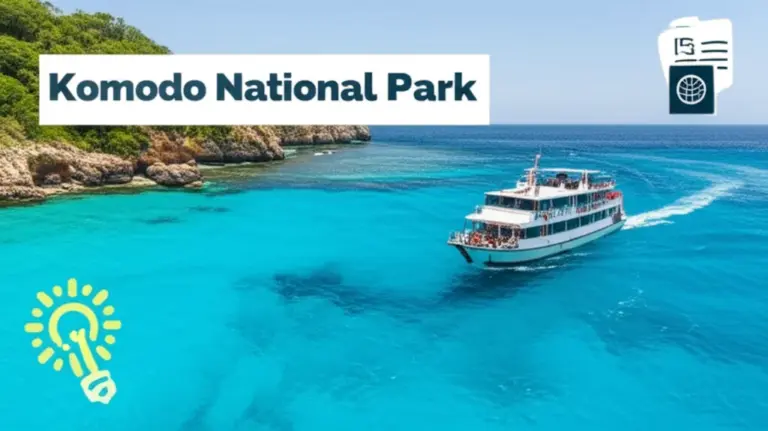
Once in Labuan Bajo, the only way to reach Komodo Island and the other attractions within the national park is by boat. A variety of options cater to different budgets and preferences:
| Boat Type | Description | Duration & Cost |
|---|---|---|
| Speedboat | Fastest option, ideal for day trips covering multiple islands. | Approx. 1-2 hours to Komodo Island. Higher cost. |
| Liveaboard (Phinisi) | Multi-day cruises (2D/1N, 3D/2N, etc.) offering accommodation, meals, and extensive exploration of the park’s islands and dive sites. | Slow pace, comprehensive experience. Mid to high range cost. |
| Local Wooden Boat | More budget-friendly, slower pace, often chartered for private tours or available as shared trips. | Approx. 3-4 hours to Komodo Island. Lower cost. |
It’s highly recommended to book your boat tour in advance, especially during peak season, to ensure availability and secure a reputable operator. Many tours include visits to Rinca Island, Padar Island, Pink Beach, Manta Point, and various snorkeling spots.
Best Time to Visit Komodo National Park
Choosing the right time for your Komodo Island travel can significantly enhance your experience. The region experiences two distinct seasons: dry and wet.
Dry Season (April to December) vs. Wet Season (January to March)
- Dry Season: Characterized by clear skies, minimal rainfall, and calm waters. This is generally considered the best time to visit for most activities.
- Wet Season: Brings heavier rainfall, rougher seas, and can sometimes lead to tour cancellations due to weather. However, the landscapes become greener and less dusty.
Optimal Months for Komodo Dragons & Diving
The peak months for visiting are typically from June to August. During this period, the weather is consistently excellent, making it ideal for trekking, island hopping, and diving. The Komodo dragons are also generally more active during these cooler, drier months. For divers, the visibility is often superb, and marine life is abundant year-round, though manta ray sightings are often higher from September to May.
Travel Tip:
While the dry season is popular, consider the shoulder months (April-May or September-October) for fewer crowds and still excellent weather conditions.
Essential Entry Requirements for Komodo National Park
Visiting Komodo National Park involves specific fees and regulations designed to protect its unique ecosystem and ensure visitor safety. These requirements are crucial for any Komodo Island travel plan.
National Park Fees
Visitors are required to pay various fees upon entry to the park, which contribute to its conservation and maintenance. These fees can vary, so it’s best to confirm the latest rates with your tour operator or the park’s official website.
- Entrance Fee: A daily fee for entering the national park. This often differs for Indonesian citizens and foreign tourists.
- Trekking/Dragon Viewing Fee: A specific fee for activities like trekking on Komodo or Rinca Island to see the dragons.
- Snorkeling/Diving Fee: Additional fees apply for marine activities.
- Government Tax & Local Ranger Fee: Other smaller fees may be collected.
Local Guide Requirement
It is mandatory to be accompanied by a local ranger (guide) when exploring Komodo or Rinca Island. These rangers are highly knowledgeable about the dragons’ behavior, the park’s ecosystem, and vital safety protocols. They carry forks to deter dragons if necessary, ensuring your safety during encounters.
Permits and Regulations
While tour operators usually handle the necessary permits, it’s good to be aware of general park regulations:
- Do not approach or feed the Komodo dragons.
- Do not litter; take all your trash with you.
- Photography is allowed, but always follow your guide’s instructions.
- Stay on designated paths and do not wander off.
- Women on their menstrual cycle are advised to inform their guide, as the dragons are believed to be attracted to blood.
Health & Safety Considerations
The remote nature of the park means medical facilities are limited. Ensure you have comprehensive travel insurance, carry any necessary personal medications, and stay hydrated in the tropical climate.
What to Expect: Activities and Attractions
Your Komodo Island travel experience will be filled with incredible sights and activities.
Encountering Komodo Dragons
The highlight for many is seeing the Komodo dragons in their natural habitat. Trekking on Komodo or Rinca Island offers the best chance. Rangers will lead you on trails, pointing out dragons and other wildlife like wild boar, deer, and various bird species.
Diving and Snorkeling Paradise
The waters around Komodo are world-renowned for their vibrant coral reefs and abundant marine life. Popular spots include Manta Point (for manta rays), Batu Bolong, and various drift dives. Snorkelers will also find plenty to marvel at in the shallower reefs.
Pink Beach & Padar Island
No visit is complete without a stop at Pink Beach (Pantai Merah), one of the few pink sand beaches in the world, colored by microscopic organisms. Padar Island offers an iconic viewpoint with panoramic vistas of three distinct crescent-shaped beaches, each with different colored sand, a truly spectacular photographic opportunity.
Sustainable Tourism and Responsible Travel
As visitors, we have a responsibility to minimize our impact. Choose eco-friendly tour operators, respect local customs, and adhere strictly to park rules. Your choices can help preserve Komodo National Park for future generations.
Komodo National Park offers an unparalleled blend of adventure, wildlife, and natural beauty. With careful planning regarding travel logistics, seasonal considerations, and adherence to entry requirements, your Komodo Island travel will undoubtedly be a journey of a lifetime. Start dreaming, start planning, and prepare to be captivated by the wonders of Komodo.
คำถามที่พบบ่อย (FAQ)
Yes, it is generally safe to visit Komodo Island as long as you adhere to all safety guidelines and stay with your mandatory park ranger. Rangers are trained to handle encounters with Komodo dragons and ensure visitor safety. It’s crucial not to wander off alone.
A 2-day/1-night or 3-day/2-night liveaboard trip from Labuan Bajo is highly recommended. This allows sufficient time to visit Komodo or Rinca Island for dragon trekking, explore Padar Island, snorkel at Pink Beach, and experience other marine attractions without feeling rushed.
Essential items include light clothing, swimwear, comfortable walking shoes or sandals for trekking, sunscreen, a hat, sunglasses, insect repellent, a reusable water bottle, a camera, and a waterproof bag for electronics. Don’t forget your passport and any necessary medications.
While you can arrange transport to Labuan Bajo independently, once you reach the national park, you must be part of an organized tour with a licensed boat and a local park ranger. Independent exploration of the islands where dragons reside is strictly prohibited for safety and conservation reasons.
References
- UNESCO World Heritage Centre – Komodo National Park
- Indonesia.Travel – Labuan Bajo & Komodo
- National Geographic – Komodo Dragon Facts
- Komodo Island: The Complete Guide to Visiting Indonesia’s Dragon and Marine Parks
- What to expect on Komodo Island: wildlife viewing, trekking to see Komodo dragons, safety tips, and recommended guided tours
- Marine life and activities around Komodo: snorkeling, diving spots, manta rays and coral reefs, and conservation-friendly operators