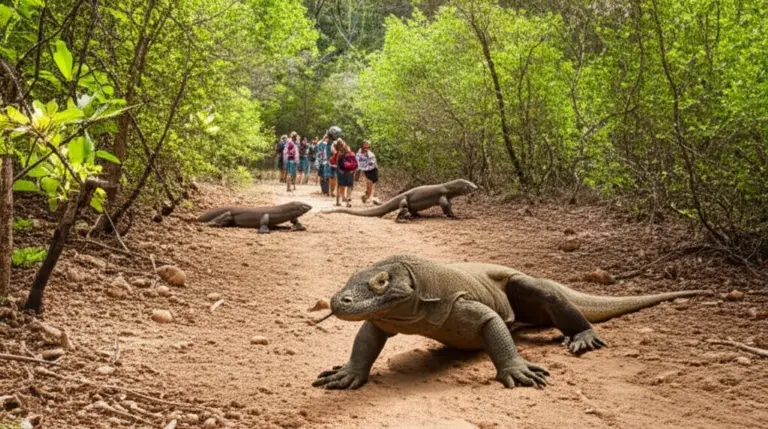
What to expect on Komodo Island: wildlife viewing, trekking to see Komodo dragons, safety tips, and recommended guided tours
- What to expect on Komodo Island: wildlife viewing, trekking to see Komodo dragons, safety tips, and recommended guided tours
Welcome to the mystical realm of Komodo Island, a UNESCO World Heritage site and home to the world’s largest living lizard, the Komodo dragon. For any avid traveler or nature enthusiast, a journey to this remote Indonesian paradise offers an unparalleled blend of exhilarating wildlife encounters, breathtaking landscapes, and pristine marine environments. This comprehensive guide will walk you through everything you need to know, from thrilling treks to spot the ancient dragons to essential safety precautions and choosing the perfect guided tour, ensuring your visit to Komodo Island is not only memorable but also safe and responsible.
Discovering the Majestic Komodo Dragons
The undisputed stars of the Komodo National Park are the Komodo dragons (Varanus komodoensis). These magnificent, prehistoric creatures can grow up to 3 meters (10 feet) long and weigh over 70 kilograms (150 pounds), dominating their ecosystem as apex predators. Witnessing them in their natural habitat is a truly humbling experience, a rare glimpse into a world untouched by time.
Where to See Komodo Dragons: Komodo and Rinca Islands
While the entire Komodo National Park is dedicated to their conservation, the primary locations for viewing Komodo dragons are Komodo Island itself and the smaller, more accessible Rinca Island. Both islands offer well-maintained trails and strict visitor protocols to ensure both human safety and minimal disturbance to the dragons. Rinca Island often boasts a higher density of dragons, making sightings more frequent, though Komodo Island provides a more expansive trekking experience.
The Thrill of a Komodo Dragon Trek
Upon arrival at either island, you will be greeted by a local park ranger who will serve as your guide and protector throughout the trek. These experienced rangers are armed with forked sticks to deter overly curious dragons and possess an encyclopedic knowledge of the dragons’ behavior and the island’s ecosystem. Treks typically range from short, easy walks to more challenging, longer routes, catering to various fitness levels. Along the way, you’ll learn about the dragons’ hunting techniques, their unique venom, and their vital role in the ecosystem. Keep your eyes peeled not just for dragons, but also for other wildlife such as Timor deer, wild boars, and various bird species.
Beyond the Dragons: Komodo Island’s Diverse Wildlife & Natural Wonders
Komodo National Park is far more than just its famous dragons. It’s a biodiverse haven, both above and below the water, offering a plethora of activities for every type of adventurer.
Underwater Paradise: Snorkeling and Diving
The waters surrounding Komodo Island are part of the Coral Triangle, one of the richest marine biodiversity areas on Earth. Snorkelers and divers will be mesmerized by vibrant coral reefs teeming with life. Expect to encounter majestic manta rays, graceful sea turtles, reef sharks, and an incredible array of colorful fish species. Popular dive sites include Batu Bolong, Manta Point, and Cauldron, each offering unique underwater spectacles. Most guided tours include opportunities for snorkeling, with diving excursions typically arranged separately by specialized dive operators.
Iconic Landscapes: Padar Island and Pink Beach
A trip to Komodo National Park is incomplete without a visit to Padar Island. A relatively easy hike to its summit rewards you with one of Indonesia’s most iconic panoramic views: three crescent-shaped beaches, each with sand of a different color – white, black, and the famous pink. The Pink Beach (Pantai Merah) on Komodo Island itself is another must-see. Its unique rosy hue comes from microscopic organisms called Foraminifera that live on the coral reefs and are washed ashore. It’s a perfect spot for swimming, sunbathing, and snorkeling in crystal-clear waters.
Essential Safety Tips for Your Komodo Island Adventure
While the allure of Komodo Island is undeniable, safety should always be your top priority. Komodo dragons are wild animals and can be dangerous if not respected. Adhering to guidelines provided by park rangers and tour operators is crucial.
Interacting with Komodo Dragons Safely
- Always stay with your park ranger. Never wander off alone.
- Maintain a safe distance from the dragons, typically at least 5-10 meters.
- Avoid sudden movements or loud noises that might startle them.
- Do not approach or feed the dragons.
- Women on their menstrual cycle are advised to inform their guide discreetly, as the dragons’ keen sense of smell can detect blood.
- Keep children close and under strict supervision.
General Safety and Health Precautions
- Protect yourself from the sun: wear a hat, sunglasses, and high-SPF sunscreen.
- Stay hydrated: carry plenty of water, especially during treks.
- Use insect repellent, particularly during dawn and dusk.
- Consider travel insurance that covers emergency medical evacuation.
- Practice responsible tourism: do not litter and respect the natural environment.
Planning Your Trip: Recommended Guided Tours & Logistics
Most visitors to Komodo Island base themselves in Labuan Bajo, a vibrant fishing town on the western tip of Flores Island. From here, various tour operators offer day trips or multi-day liveaboard cruises to Komodo National Park.
Choosing the Right Tour Operator
Selecting a reputable tour operator is key to a safe and enjoyable experience. Look for operators with good reviews, proper licensing, and a strong emphasis on safety and environmental responsibility. Many offer packages that include visits to Komodo Island or Rinca Island for dragon trekking, Padar Island for panoramic views, and Pink Beach or other snorkeling spots. Liveaboard tours, ranging from 2 days/1 night to 4 days/3 nights, are highly recommended for a more immersive experience, allowing you to visit more sites and enjoy stunning sunrises and sunsets over the archipelago.
Best Time to Visit and What to Pack
The dry season (April to December) is generally considered the best time to visit Komodo Island, with sunny skies and calm seas. The peak season is July-August, so expect more crowds. The wet season (January to March) can bring heavy rains and rough seas, potentially disrupting travel plans. As for packing, bring light, breathable clothing, sturdy walking shoes for treks, swimwear, a hat, sunglasses, reef-safe sunscreen, insect repellent, a reusable water bottle, and a waterproof bag for electronics. Don’t forget your camera!
Here’s a visual overview of the Komodo National Park experience:
Komodo National Park is a place of raw beauty and ancient wonders. From the moment you step onto the dusty trails of Komodo Island, you’ll feel transported to another time. The thrill of seeing a Komodo dragon, the serenity of snorkeling in vibrant reefs, and the awe-inspiring vistas from Padar Island combine to create an unforgettable adventure. By following safety guidelines and choosing responsible tour operators, you’re set for an extraordinary journey into one of Earth’s last wild frontiers.
Explore the location on the map:
คำถามที่พบบ่อย (FAQ)
Q: Is it safe to visit Komodo Island?
A: Yes, it is safe to visit Komodo Island provided you follow all instructions from your park ranger and tour guide. Komodo dragons are wild animals, so caution and adherence to safety protocols are essential. Never wander off alone.
Q: What is the best time of year to visit Komodo Island?
A: The dry season, from April to December, is generally considered the best time to visit Komodo Island. During these months, you can expect sunny weather and calm seas, which are ideal for island hopping, trekking, and water activities.
Q: Can I swim with Komodo dragons?
A: No, it is strictly forbidden and highly dangerous to swim with Komodo dragons. They are powerful predators, and while they primarily hunt on land, they are also capable swimmers. Always maintain a safe distance and only observe them under the guidance of a park ranger.
Q: What other wildlife can I expect to see on Komodo Island?
A: Beyond the Komodo dragons, you might spot Timor deer, wild boars, various bird species, and monkeys on land. The marine environment is incredibly rich, offering sightings of manta rays, sea turtles, reef sharks, and a vast array of colorful fish and corals while snorkeling or diving.
Q: Do I need a guide to trek on Komodo Island?
A: Yes, it is mandatory to be accompanied by a local park ranger during any trek on Komodo Island or Rinca Island. The rangers are trained to ensure your safety and provide valuable insights into the dragons and their habitat.
References
- UNESCO World Heritage Centre: Komodo National Park
- National Geographic: Komodo Dragon
- Indonesia.Travel: Labuan Bajo
- Komodo Island: The Complete Guide to Visiting Indonesia’s Dragon and Marine Parks
- Where is Komodo Island and how to get there: travel logistics, best seasons, and entry requirements for Komodo National Park
- Marine life and activities around Komodo: snorkeling, diving spots, manta rays and coral reefs, and conservation-friendly operators