Getting Around Indonesia: The Ultimate Guide to Transportation Options for Every Traveler
- Getting Around Indonesia: The Ultimate Guide to Transportation Options for Every Traveler
- Domestic Flights: The Fastest Way Across Distances
- Inter-Island Travel: Ferries and Sea Transport
- Traveling on Java and Sumatra: The Power of Trains
- Ground Transportation: Roads and Local Travel
- Budget Travel Secrets: Minibuses and Local Transport
- Essential Tips for Seamless Transportation in Indonesia (E-E-A-T)
- คำถามที่พบบ่อย (FAQ)
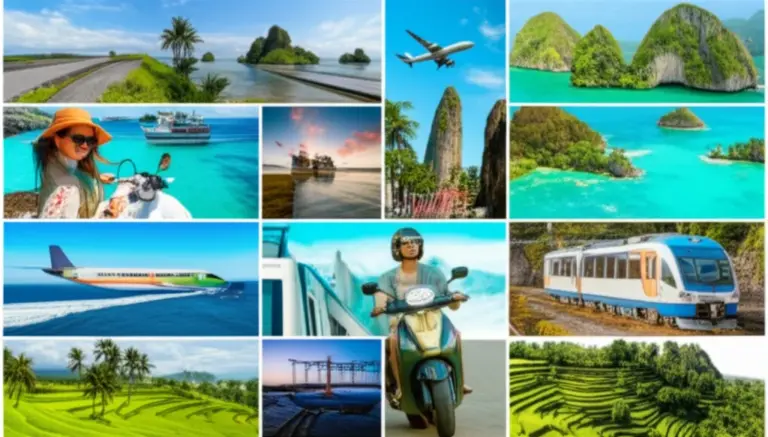
Indonesia, the sprawling archipelago of over 17,000 islands, presents a unique challenge and adventure for travelers: how to navigate this massive, diverse nation. Whether you are hopping between Bali’s beaches, exploring Java’s ancient temples, or trekking in Sumatra, mastering Getting Around Indonesia is key to unlocking the country’s magic. This comprehensive guide breaks down every viable transport option, ensuring you travel efficiently, safely, and within budget.
Domestic Flights: The Fastest Way Across Distances
For covering vast distances between major islands like Java, Bali, Sulawesi, and beyond, flying remains the undisputed champion of speed. While the infrastructure can sometimes lead to delays, domestic air travel is surprisingly affordable if booked in advance.
Major Domestic Carriers and Booking Tips
Indonesia hosts several reputable airlines. Garuda Indonesia and Batik Air offer higher service standards, while budget carriers like Lion Air, Citilink, and Sriwijaya Air provide excellent value. Always check baggage allowances, as budget carriers often charge significantly for checked luggage.
Inter-Island Travel: Ferries and Sea Transport
For shorter sea crossings or for travelers prioritizing scenery over speed, ferries are essential. This is the backbone of local connectivity, especially between Bali and Lombok, or Java and Sumatra.
Public Ferries vs. Fast Boats
| Type | Speed | Comfort/Cost | Best For |
|---|---|---|---|
| Public Ferry (e.g., Ketapang–Gilimanuk) | Slow (45 min – 1 hr) | Very cheap, basic facilities | Budget travelers, vehicle transport |
| Fast Boats (e.g., Bali to Gili Islands) | Fast (1.5 – 2.5 hours) | Moderate cost, better seating | Quick island hopping |
When using fast boats, it is highly recommended to book through a reputable agent or online platform to ensure you get the correct departure port, as many operators advertise centrally but operate from smaller docks.
Traveling on Java and Sumatra: The Power of Trains
The Indonesian railway system, managed by PT Kereta Api Indonesia (KAI), is incredibly reliable and comfortable, especially on the densely populated island of Java. Trains offer a fantastic, stress-free way to cover long distances between major cities like Jakarta, Yogyakarta, and Surabaya.
Understanding Indonesian Train Classes
Trains typically offer three classes:
- Eksekutif (Executive): The most comfortable, featuring wide, reclining seats, air conditioning, and meal service.
- Bisnis (Business): A good middle ground, offering air conditioning and adequate seating, though slightly narrower than Executive.
- Ekonomi (Economy): The cheapest option. While newer economy carriages are much improved, older ones can be crowded and less comfortable for long journeys.
Booking train tickets ahead of time, especially for weekend travel, is crucial. They can be purchased via the KAI Access app or at major station counters.
Ground Transportation: Roads and Local Travel
Once you arrive at your destination, local road transport takes over. This is where local knowledge and technology greatly enhance your experience Getting Around Indonesia efficiently.
Ride-Sharing Apps (Gojek & Grab)
In major hubs like Jakarta, Bali, Yogyakarta, and Bandung, Gojek and Grab are indispensable. They offer motorcycle taxis (Ojek) and car services (Taxi). The pricing is fixed upfront, eliminating haggling stress. Gojek also offers delivery services, making it a true Indonesian life tool.
Taxis and Blue Bird Group Reliability
For street hails, the Blue Bird Group is the gold standard for trustworthiness, safety, and metered fares. If you see their distinctive light blue cars, hail them without hesitation. Avoid unmarked taxis, especially late at night.
Renting Vehicles: Scooters and Cars
Renting a scooter (motorbike) is incredibly common and often the best way to explore smaller towns or the backroads of Bali. However, this requires significant confidence, as Indonesian traffic rules are often loosely interpreted. Ensure you have the correct international driving permit (IDP) endorsed for motorcycles and always wear a helmet.
Budget Travel Secrets: Minibuses and Local Transport
For the adventurous budget backpacker, local options exist, though they demand patience. Bemo (small shared minibuses) and Angkot (shared public vans) operate fixed routes but often leave only when full. Fares are negotiated or fixed, and routes may not be explicitly signposted for tourists. These methods offer the deepest insight into daily Indonesian life.
Essential Tips for Seamless Transportation in Indonesia (E-E-A-T)
As seasoned travelers who have navigated these routes extensively, we offer these final expert assurances for your journey:
- Cash is King: While apps work well in cities, always carry small denominations of Indonesian Rupiah (IDR) for local buses, street food vendors, and small ferry ticket offices.
- Punctuality is Relative: Embrace the concept of ‘jam karet’ (rubber time). While trains are punctual, road travel times are highly susceptible to traffic jams, rain, and local events. Always pad your schedule.
- Insurance: Ensure your travel insurance explicitly covers motorbike accidents if you plan on renting one. Medical evacuation insurance is highly recommended for remote island travel.
- Language: While English is common in tourist centers, knowing basic Bahasa Indonesia phrases (like ‘berapa harganya?’ – how much is it?) goes a very long way in local transactions.
By understanding the spectrum of options—from swift domestic flights to charming local Angkots—you are perfectly equipped for Getting Around Indonesia successfully, turning potential logistical headaches into memorable travel experiences.
คำถามที่พบบ่อย (FAQ)
For safety and reliability when traveling between major islands (e.g., Bali to Java), domestic flights on established carriers like Garuda Indonesia or Batik Air are generally the safest and most predictable option. For sea travel, stick to reputable fast boat operators or larger, government-regulated ferries.
Yes, officially you do. Indonesian law requires you to possess an IDP that specifically endorses motorcycle riding. Furthermore, your travel insurance may be voided if you are in an accident without the proper documentation.
No. Ride-sharing apps like Gojek and Grab are widely available in major metropolitan areas and popular tourist zones (e.g., Jakarta, Bandung, large parts of Bali). However, they are largely unavailable or non-functional in smaller towns, remote islands, or rural areas, requiring reliance on traditional taxis or hiring private drivers.
References
PT Kereta Api Indonesia (KAI) Official Site
Blue Bird Taxi Official Information
- How to Choose the Best Transportation Mode in Indonesia: Comparing Planes, Trains, Ferries, Buses, and Car Rentals for Cost, Time, and Comfort
- Navigating Indonesia’s Major Cities: Tips for Getting Around Jakarta, Bali, Surabaya, and Yogyakarta Using Ride-Hailing, Public Transit, and Taxis
- Island-Hopping Made Easy: Ferry Schedules, Fast Boats, and Safety Advice for Traveling Between Bali, Lombok, Flores, and the Gili Islands