Earthquake and Volcano Safety Preparedness for Travelers: Essential Strategies to Stay Safe Before, During, and After an Event
- Earthquake and Volcano Safety Preparedness for Travelers: Essential Strategies to Stay Safe Before, During, and After an Event
Indonesia is a land of breathtaking beauty, from the emerald rice terraces of Bali to the majestic peaks of its many volcanoes. However, its location on the ‘Pacific Ring of Fire’ means it is also one of the most seismically active regions on Earth. For travelers, understanding earthquake and volcano safety preparedness is not about fearing the destination, but about being empowered with the knowledge to handle unexpected natural events with confidence and calm.
Understanding the Risks in Indonesia
Indonesia is home to over 130 active volcanoes and experiences thousands of tremors annually. While most are minor, major events can disrupt travel plans and pose risks to safety. Proactive earthquake and volcano safety preparedness involves recognizing that while these events are unpredictable, your response to them doesn’t have to be. Whether you are trekking Mount Rinjani or relaxing in Ubud, being aware of your surroundings is the first step toward safety.
Before You Go: Preparation is Key
Safety begins long before you board your flight. Researching your specific destination’s geological history can provide context. For instance, islands like Lombok and Java have specific volcanic alert levels managed by the Indonesian Center for Volcanology and Geological Hazard Mitigation (PVMBG).
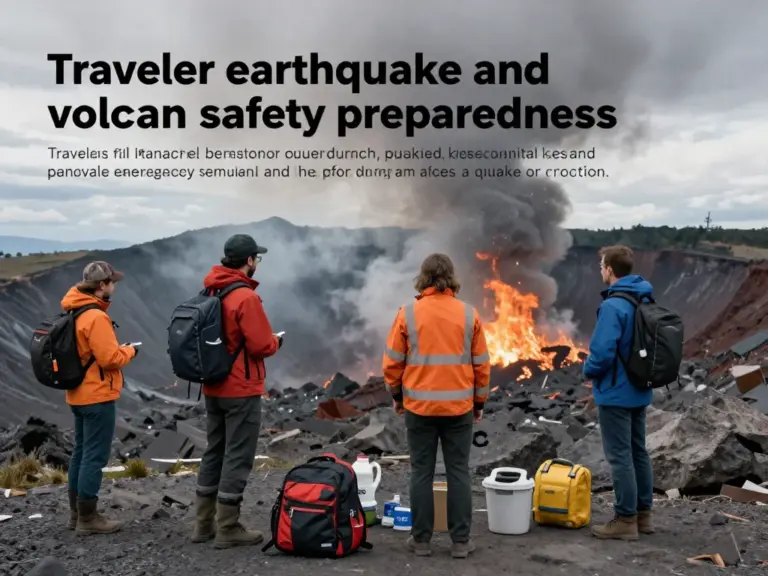
- Pack an Emergency Kit: Include a high-quality N95 mask (for volcanic ash), a small flashlight, a power bank, and basic first-aid supplies.
- Insurance: Ensure your travel insurance specifically covers natural disasters and emergency evacuations.
- Communication: Save local emergency numbers (112 is the general emergency number in Indonesia) and keep a physical copy of your hotel address.
During an Earthquake: Drop, Cover, and Hold On
If the ground begins to shake, the most important rule is to remain calm. If you are indoors, stay there. Move away from glass, windows, and heavy furniture that could fall.
| Location | Action to Take |
|---|---|
| Indoors | Drop to your hands and knees. Cover your head and neck under a sturdy table. Hold on until shaking stops. |
| Outdoors | Move to an open area away from buildings, streetlights, and utility wires. |
| Near the Coast | If shaking lasts more than 20 seconds, move inland or to higher ground immediately; do not wait for a tsunami siren. |
During a Volcanic Eruption: Protect Your Lungs
Volcanic eruptions often provide warning signs, such as increased seismic activity or steam. If an eruption occurs, follow the instructions of local authorities and park rangers immediately. The primary danger for most travelers is volcanic ash, which is abrasive and toxic if inhaled.
Stay indoors if possible, closing all windows and doors. If you must go outside, wear your N95 mask and goggles to protect your eyes. Avoid driving, as ash can cause engines to stall and makes roads incredibly slippery.
After the Event: Staying Safe and Informed
The danger doesn’t always end when the shaking stops or the eruption pauses. Aftershocks are common following a large earthquake and can cause further damage to weakened structures. Following a volcanic event, ‘lahars’ (volcanic mudflows) can be triggered by rain, even miles away from the volcano.
- Check yourself and others for injuries.
- Listen to local radio or check official social media accounts (like @BNPB_Indonesia) for updates.
- Avoid using elevators until they have been safety-checked.
- Contact your family and embassy to let them know you are safe.
คำถามที่พบบ่อย (FAQ)
Is it safe to travel to Indonesia given its volcanic activity?
Yes, Indonesia is generally safe for travel. The government monitors volcanic activity closely and issues exclusion zones. By staying informed and avoiding restricted areas, travelers can enjoy the country safely.
What should I do if a tsunami warning is issued?
Move to higher ground or at least the third floor of a reinforced concrete building immediately. Do not wait to watch the waves; if you can see the wave, you are too close.
Are N95 masks necessary for volcano safety?
Yes. Regular surgical masks do not filter out fine volcanic ash particles. N95 masks are essential for protecting your respiratory system during ashfall.
How can I track earthquake activity in Indonesia?
The BMKG (Meteorology, Climatological, and Geophysical Agency) provides real-time updates via their website and the ‘Info BMKG’ mobile app.
References
BMKG – Indonesian Agency for Meteorology, Climatology and Geophysics
MAGMA Indonesia – Volcanic Activity Monitoring
International Red Cross – Disaster Preparedness Guides
- Why Earthquake and Volcano Risks Matter for Travelers: Assessing Destinations, Travel Insurance, and Local Alerts
- Preparing to Travel to Seismically Active Regions: Packing Essentials, Emergency Plans, and Communication Strategies
- What to Do During an Earthquake or Volcanic Eruption While Traveling: Immediate Safety Actions, Evacuation Routes, and Shelter-in-Place Guidance